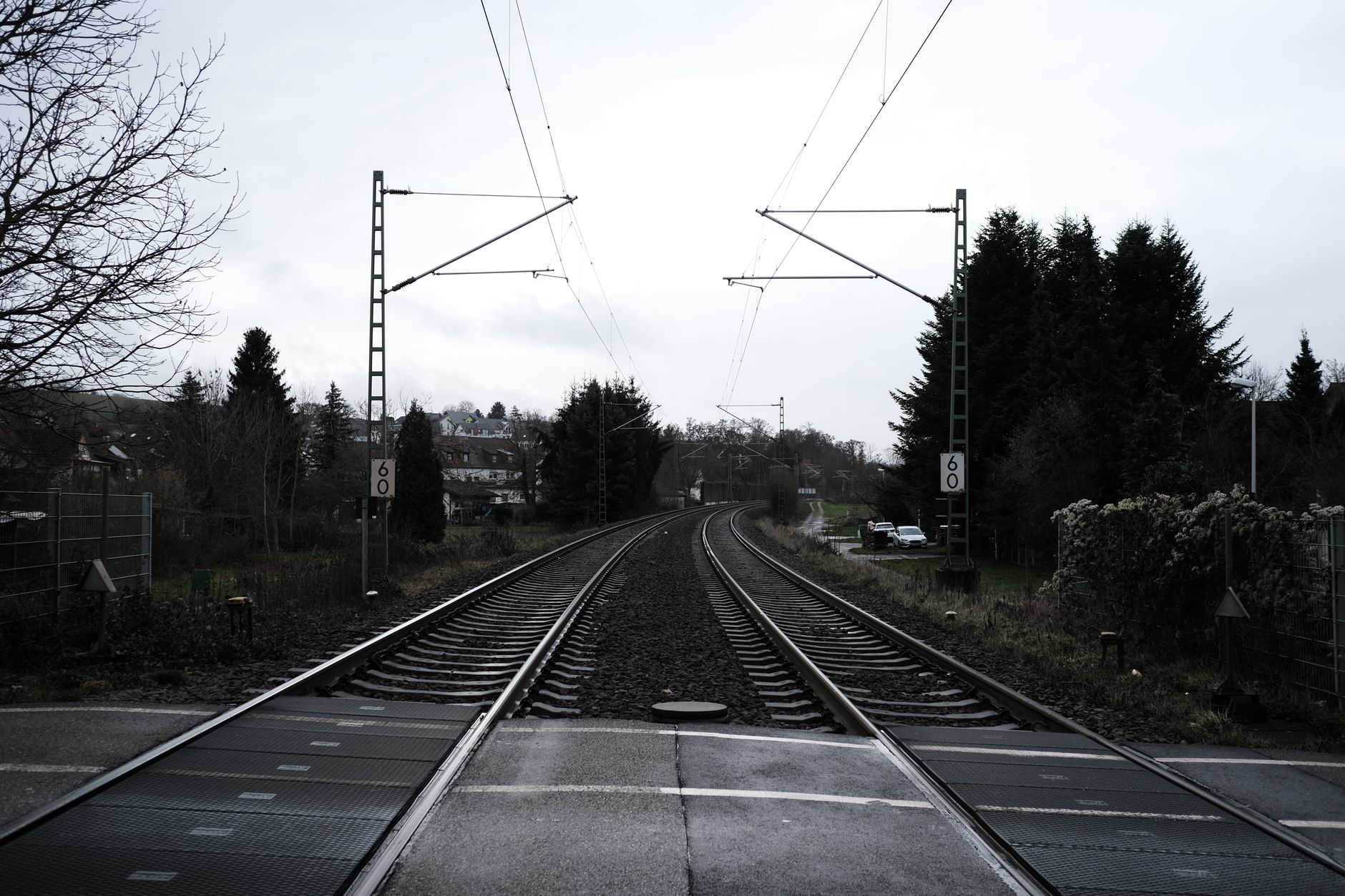
The 23:47 out of Larkholme Interchange was the last bus up the valley, and it set me down at Hollow Lane four minutes before midnight. The alternative was seventy minutes on the A-road — no pavement, no lighting past the second farm gate, a hard shoulder that wasn’t one. I worked nights at Fernlea, the residential home off Bridgefoot: meds at ten, notes by eleven-thirty, then hours of call bells and corridor light. The 23:47 was the shape my week fit around. Miss it and the dark got long.
The Rule at Fernlea
Bernie gave me the rule during my first winter, in the staff room with the door shut on the lounge telly. Her brother-in-law had driven the 38 for nineteen years and still had the school contract. Never get on where there’s no flag, she said. The driver will stop, because drivers are kind and they see you standing there — but you’ll ride as nobody, and nobody rides free. The route pays for it in the count.
I asked what count. She didn’t have one. Nobody at the depot did either, she said. It was old knowledge when her brother-in-law got his badge, and the man he’d had it from had retired to Spain before that.
Twenty-two years old, I filed it with the rest of the staff-room weather. Keep the door of room 9 cracked. Don’t move the chairs in the quiet lounge. Never board where there’s no flag.
What Went, Piece by Piece
The glass left the shelter at Sallowford Square in June. Both panes, gone between the 21:10 and the 22:10. No fragments on the slab, and the bolts from the glazing beads in a stack beside the frame, flush ends aligned.
Scrap men, everyone said. Fair enough. It was aluminium and the summer was full of it.
The bench at Sallowford Square followed in July — unbolted, the rawl plugs left flush in the concrete — and the paper went out of the timetable case at Milligate. The sleeve stayed on its post, wiped clean inside, showing the hedge through where the times had been. Then the flags. Milligate’s pole sawn off at the collar, stump painted over by someone who cared about stumps. Sallowford Square’s went altogether, collar and all, leaving four pale rectangles in the paving where the shelter had stood its twenty years.
Every piece had a cause you could sign for. That’s what I keep from those two months — not that things vanished, but that each one arrived with its explanation stapled to it. Metal thieves take frames, not glass, but the council had sent letters about the review, and cuts were coming down the wire, and a bench is a cut. You could live inside those sentences. I did.
Stan’s Stage List
Stan drove the 38 the way some men keep an allotment, with a wariness about things that arrive changed overnight. His father had the route before him.
I asked him about the glass, riding home in June. He didn’t answer until Staithe Lane had gone past the window.
“The names went first,” he said.
In spring, the fare-stage list on his ticket machine had held six entries: Interchange, Bridgefoot, Staithe Lane, Hollow Lane, Milligate, Sallowford Square. Updates came down the wire on Sundays. By August the list showed three. No one at the depot had ordered the change; it arrived shorter, the way water arrives under a jetty, and head office had no record of sending it. He could not sell a fare naming a stop the machine no longer held.
“No such stage,” Stan said. “I can’t issue you paper for nowhere.”
When I asked who first said the rule — never board where there’s no flag — he looked at me the way you look at someone asking who first said rain wets you. His father had it from Sid. Sid retired before Stan joined the rota.
Hollow Lane came apart in September. Glass on the third. The bench by the tenth. The paper left my case on a Tuesday and the sleeve hung wiped. On the twenty-ninth the pole was sawn off at the collar, stump painted, and the 38 began to pass my road in the dark.
Stan still stopped. Habit — twenty years of lifting a hand to the mirror at those slabs, and me standing on them in my cagoule at ten to midnight. The machine refused my pass with the flat beep of a door held shut against you, and he’d wave me aboard with the flat of his hand and pull out saying it again, quieter, to the windscreen. No such stage. The other passengers thinned as the autumn did. By November it was mostly me, riding five minutes up the valley as nobody, and Bernie’s rule sitting in my ear the whole way.
I had a bad ankle from a fall at work and a rota of twelve-hour shifts, and I rode anyway. Forty-odd times between the saw and the end of November. No ticket. No stage. Nothing in any machine that said I had been carried.
Proposal W-38
The notice went up at the interchange in November, laminated, tied to the rail with wire.
Service Review 2012/13 — Proposal W-38: withdraw Service 38 (Larkholme Interchange – Sallowford Square). Recorded usage at stops between Milligate and Sallowford Square since 1 August: nil boardings. Consultation closes 30 November.
Nil boardings. I stood in front of that word until a man with a mop asked if I was getting on.
I wrote to the county that week. I set out the rides — dates if they wanted them, times, Stan’s badge number — forty-odd boardings at Hollow Lane since August, every one of them witnessed by the driver. A person had stood on those slabs in all weathers and been carried up the valley. The record hadn’t kept her, that was all.
The reply came in December, on paper with a reference number.
Thank you for your correspondence. We hold no record of a bus stop at Hollow Lane. Journey data for Service 38 shows no boardings recorded at this location. Your comments have been logged as an objection to Proposal W-38.
No record of a stop. My mother had waited under that glass when the shelter was new. The data was the only witness the review would hear, and the data had never once seen me standing there in the dark, being waved aboard by a kind man who could not issue paper for nowhere.
The Last Service
The 38 ran for the last time on the twenty-first of December, and I was on shift. I came out at 23:40 into sleet that had iced the car park, and Bridgefoot’s flag — still up, still catching the light off the Spar sign — was the last stop between the interchange and the sea with anything on it at all. I walked the seventy minutes home. I passed the four pale slabs without stopping, and my key found the door on the second try.
I keep the spring leaflet in the kitchen drawer, the last timetable that prints Hollow Lane. Interchange, Bridgefoot, Staithe Lane, Hollow Lane, Milligate, Sallowford Square, in order, the 23:47 arrowed all the way down the column. The paper has gone soft at the folds. The order of the names hasn’t changed.
In February the new girl at Fernlea asked why I walk both ways when the 47 goes right past the gate at Bridgefoot, and the rule started up in my mouth, the whole shape of it — never get on where — and I stopped it there. If she’d asked who told me, I’d have said Bernie, and Bernie would have said her brother-in-law, and he’d have said the depot, and the depot would have said nobody. It came up the valley on a night bus, from a man who retired before Stan joined the rota, and it gets off wherever there’s no flag.