Category: Folklore

  • The Tasting

    The Tasting

    The Fifty-Minute Round

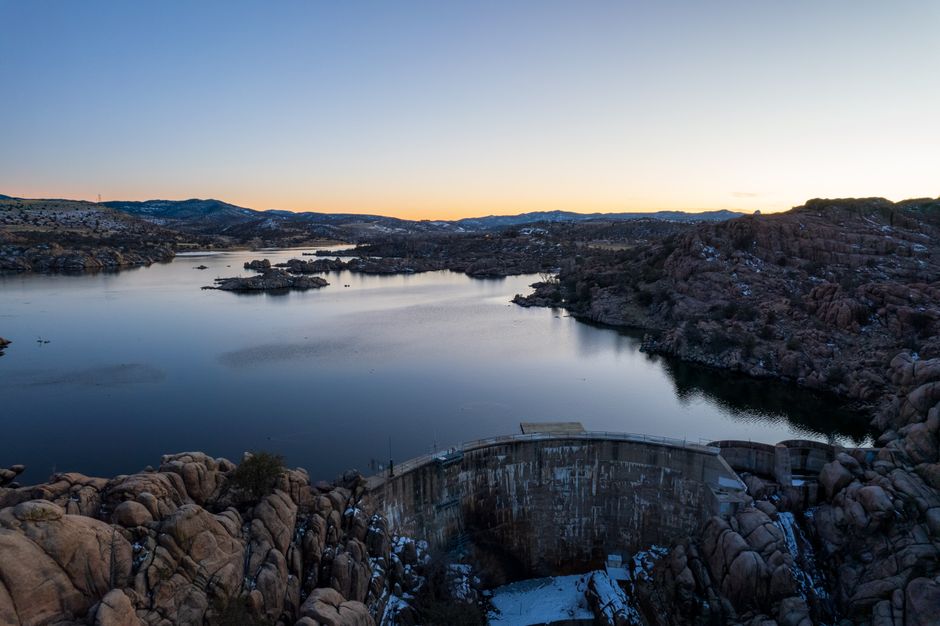
    The listing said catchment technician, dawn shift, lone working. What it meant was: walk the dam at Harldale Water before the town stirred, read the crest gauge, sample at the valve tower, and reach the treatment works by seven with the turbidity numbers already upstream in the telemetry.

    My probation review sat on the ninth of November, and Kemp, my line manager, had one number for it. Fifty minutes, the round was taking me. Thirty was the target. “Everything after the sensor cabinet is heritage,” he said. “Heritage doesn’t score.”

    The sensors he was right about. Intake turbidity, pH, temperature, read every ninety seconds and pushed upstream on their own. The tower was another matter: a drum of 1937 brick standing in the water on a concrete spine, reached by a walkway that clangs in cold weather, eight minutes out and eight back. The old duty lived up there in the lamp room. A brass cup on a chain. One line in the hand-over folder that every keeper since the flooding had signed beneath.

    You’ll take the sample at the tower. Taste it. Don’t rinse the cup till you’ve tasted. Sign the book. — R. Aldersley, retired 14 March

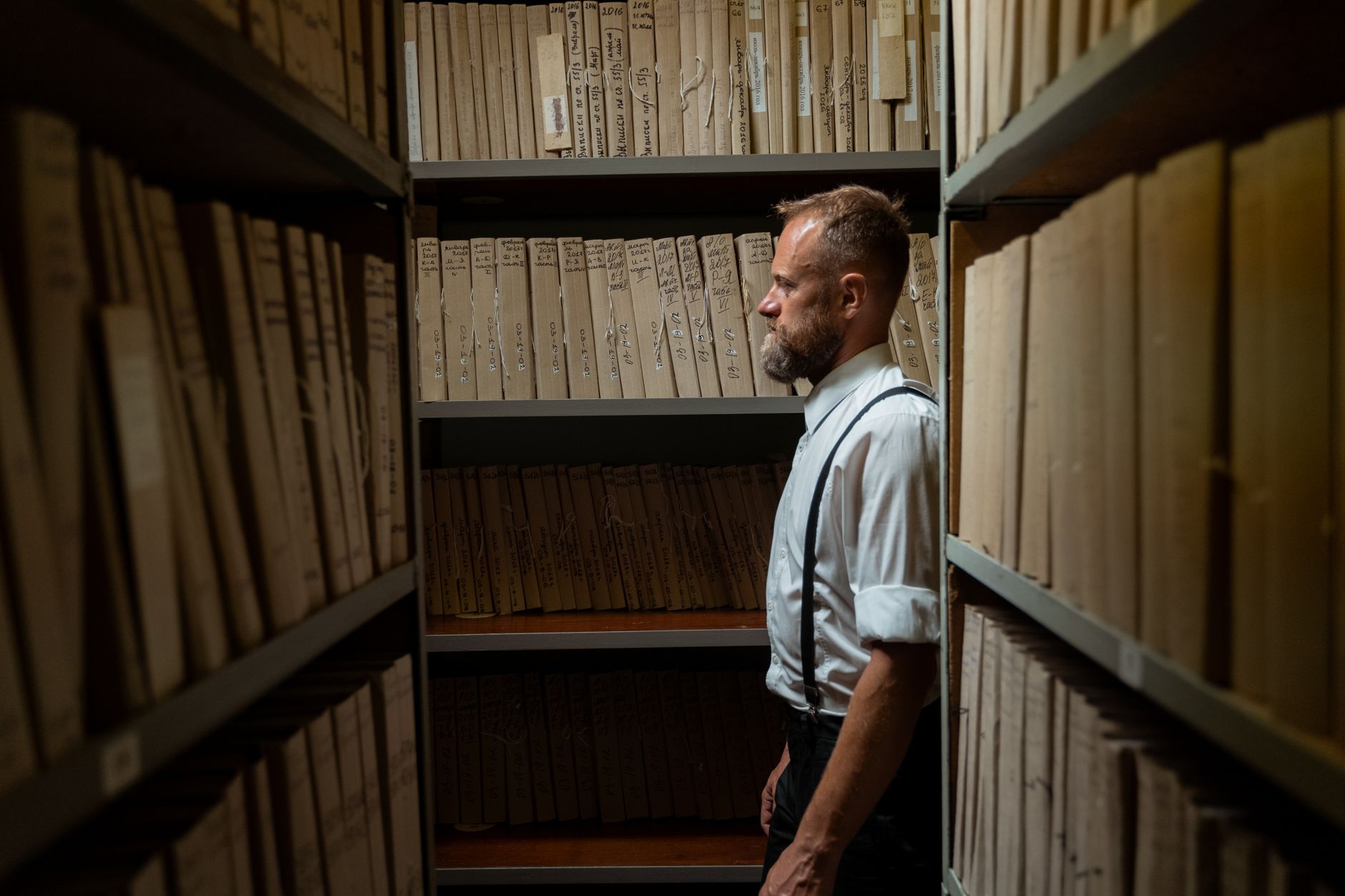
    The book was a cloth-bound ledger, columns for date and initials, running unbroken to 4 October 1937 — the day they shut the valves on Low Harldale and let the valley fill. Four keepers’ hands in it, then mine. No SOP number. No rationale in the folder, not one memo. Just the taste, the cup, the signature, ninety years of it.

    Trimming the round was arithmetic. The tower leg was the long leg. On Thursday the twelfth I sampled from the cabinet tap, logged the reading, and let the walkway go clangless in the cold. Forty-one minutes. On Friday I did it again. Thirty-six. Kemp put a tick against my name in the audit tracker, and the tracker was the whole of what the company remembered about mornings.

    The Brass Cup

    Friday afternoon the telemetry flagged a level dip at the tower intake. 5:58 a.m., twenty centimetres, four seconds, every outlet sealed and logged as sealed. I filed it as a sensor ghost. The intake monitor was new; new instruments throw ghosts the way old houses throw draughts.

    Saturday morning I took the cabinet route again and, from the crest, the tower door stood open. I had locked it Thursday. The wind doesn’t lift a 1937 door off its latch; the wind hadn’t been up.

    The round sheet said I could log the door from the crest. Instead I walked the spine, keys in my fist, and the cold came off the water the whole way like something leaning.

    Cup on its chain, wet. Not dew-wet — wet inside, a half-inch of lake in the bowl of it, and the ledger open on the desk with Friday’s line initialled in the old copperplate hand the first pages were written in. E.G. Thursday’s line too. My Thursday. My Friday, that I had stood at the cabinet tap and poured down the drain.

    E.G. was Ernest Gradely, keeper 1937 to 1961. His was the first hand in the book; the hand-over folder had his photograph, a narrow man on the walkway with his sleeves rolled. The folder also held the compensation schedule from the flooding, typed on onionskin, and half-way down the second page: Gradely, E. — Low Harldale — farm submerged, ten acres and dwelling. The first keeper had been hired out of the drowned parish itself, and his taste had answered for the water ninety years before mine.

    I rinsed the cup. I signed Saturday’s line myself, at 6:31, and the pen looked wrong in the ledger, too blue, too round against the copperplate column above it.

    Rational, I told myself on the walk back. Aldersley, eighty-one and a ten-minute drive away, still climbing his old tower out of habit. Except Aldersley’s hand was R.A., and the man had signed his retirement line himself, 14 March, in a wobbling fist nothing like this.

    5:58

    Sunday I went out before the round. 5:40, frost on the rail, the town dark and the works one lit window. I wanted to be on that walkway at 5:58 with my own eyes on the intake gauge, and I wanted the taste done at six, on time, by me, so the ledger would carry three lines in my hand for the three lines it carried in his.

    The lamp room smelled of cold iron and lamp oil, a smell that had no business in a room that has held LEDs for twenty years. The ledger was open. Saturday’s line had my initials, and beneath them, in the margin, small: E.G.

    Silt in the cup. Fine grey silt, drying at the rim the way a deposit dries when the water has only just left it — minutes, not hours. And the lake outside the shutter was flat as a coin, and the intake gauge read level, and my watch said 5:52.

    I did not move. Six minutes is a long time in a small room with one door.

    At 5:56 the gauge needle swung. The crest gauge was visible from the window, a white staff against black water, and the mark went down — a slow suck of level, wide as the whole reservoir, with no outlet open anywhere under the dam to take it. Twenty centimetres. It held through 5:58 and came back by 5:59, and on the shelf the brass cup shifted on its chain, once, the way a cup shifts when a hand lets it go.

    The taste was already taken. Whatever asked what is this at Harldale Water that morning had been answered by a tongue that knew the answer as ten acres and a dwelling.

    I tasted anyway. Late, out of turn, mine. The water ran clear and cold and right, and I signed beneath him, and under my initials, in the margin, the pen still in my hand and the room empty around it, the letters came up grey and fine as the silt: E.G.

    Drawdown

    I walk the tower leg now first, not last. Fifty-two minutes, and Kemp has stopped asking. The audit passed anyway, in the end, which is the joke I keep in the drawer with the cup.

    August brought the drawdown, the annual one, when the works lets the level down for the scour valves and the reservoir shows its margins. The survey chart puts forty feet of water on the line between the tower and the far shore. Last August there was a strip of dry ground along that line, gravel and old wall-footings, wide enough for a man to walk with his arms out. The engineers sounded it twice. The soundings disagreed with each other, and then, the second time, with the first.

    The authority chained the stile at the crest that week. Somebody had the chain off by Friday. There were footprints on the strip by Saturday — coming from the far shore, is what the warden wrote in his book, and after that sentence he wrote nothing else in it at all.

    Three dawns, I count, between my Thursday and my Sunday. The ledger counts the same. What a living keeper tastes, the taste says water, and the valley keeps the answer. What Gradely tastes, the taste says farm — and the valley keeps that too, in the only coin it was ever paid in, which is ground.

    The sample I take at six runs clear every morning of the year. It tastes of leaf mould and iron. It tastes of ground, and I sign, and I rinse the cup after, and the ledger has had no line in copperplate since.

  • The Long Room

    The Long Room

    One rule in our house was older than everybody in it: at dusk, before full dark, the eldest lights the candle in the Long Room. That is the whole of it. You open the door, strike the match on the box, set the flame to the wick, say goodnight, and close the door, and nobody goes down that end of the passage afterward. In the morning the candle is gone to nothing — burned down further in one evening than a whole night’s burning should account for — and the eldest sweeps the wax and buries it under the plum tree at the garden corner, where the soil has risen over the generations into a low grey ridge that no one has ever planted over.

    Gran did it every evening of my childhood without ceremony, the way she fed the range. Half past three in December; gone on ten o’clock in June. The candle followed the sun, not the clock, and so did she. When I asked her once who the goodnight was for, she said, “The old ones. A house this age doesn’t heat itself.”

    Her mother missed it one night in 1943 — fog, and the bus stuck at Marlow Ford till after midnight — and for a week afterward the kitchen would not hold warmth, the milk refused to set, and both dogs took to sleeping in the barn. That is the only lapse in six generations of the record. Nobody in my family required the story explained. You grew up with the rule the way you grew up with the low beam over the back stair: it was simply there, and you minded it.

    The Ninth of October

    On the ninth of October 1994, Gran fell on the yard getting coal, and the hospital kept her overnight for X-rays on her hip. Dad drove her the twenty miles to Merefield and left me the supper and the house and my brother. “You know what wants doing at dusk,” was all he said. I did. I had lit it before, twice, in the winters when Gran’s knees were bad. I was fourteen. It was chore and privilege both — proof you were being counted in the grown-up tally of the house.

    It was also Tom’s ninth birthday.

    He had been asking all year to do it once. He asked at Christmas, he asked through the spring, he asked until Gran said what she always said, that it wasn’t his to do and never would be, and he stored that answer up instead of resenting it, the way he stored everything. So there was cake, and then the light went orange across the yard, and Tom followed me down the passage to the Long Room door with the brass taper already out of the dresser drawer and held in both hands like a christening candle.

    “I’m nine now,” he said. “Nine’s not little. Let me, just the once. I’ll hold it proper.”

    He had asked me, not Gran. I was the eldest standing in that passage. And it was his birthday, and he had dirt on his knees and his best shirt on over it, and there is a kind of pride a nine-year-old carries that you would have to be made of stone to walk past.

    I lit the taper and gave it to him.

    “Don’t tell Gran,” I said.

    His hands shook and the wick took on his first try. He said goodnight in a voice he had borrowed whole off Gran, all chest and no hurry, and shut the door as soft as closing a book. He talked about it all the next day. I have gone over that evening more times than any other in my life, and there was nothing in it. No cold. No sign. My brother lit a candle and was happy.

    The Flame Would Not Take Her

    Gran came home on the Thursday with a clean hip and a walking stick. At dusk she went down the passage, and from the kitchen we heard the box strike three times — match after match, each flame dead before it reached the wick. When she came back her face was the colour of the larder floor.

    “Who lit it Tuesday?” she said.

    Tom told her. He was proud of it right up until the moment he understood what her face was doing. She didn’t scold. She went to the dresser, took out the album, turned pages until she came to the photograph of the passage taken the year the house was re-roofed, and set one finger on the door of the Long Room.

    “That room keeps a count,” she said. “The eldest gives them their evening, and when the eldest is gone, it counts the next. It has never once been given out of turn. Not in six generations. Now it has been given.” She looked at Tom and her voice went gentler, which frightened me more than shouting ever has. “They keep what they’re given, love. It doesn’t come back.”

    Dusk

    It started that autumn, a few minutes at a time. Tom up the stairs and asleep by seven-forty, then seven-fifteen, then earlier. By Christmas he could not sit through a dark afternoon tea. By June he was awake till ten again, because it was never the clock he slept to — it was the sun. The doctors at Merefield found nothing wrong with him, and on every visit something less, until there was nothing left to find.

    At eleven he began to rise. At dusk, out of the deepest of it, asleep, he would come down the back stair with his eyes shut and the taper already in his fist — none of us had lit it, none of us had given it to him — and open the door, and feed the candle its flame, and say goodnight in that borrowed voice, and go up again. Dad locked his bedroom door one night that March. By morning the lock stood turned back on the outside and the candle was lit, and Gran said, “Don’t cross them twice,” and that was the end of locking.

    We tried. I want that on the record. New candles from the church shop died unlit in the saucer. Dad wanted the priest in, and Gran stood on the back step in her coat and would not let the man past her, and Dad did not press it, because it was plain she wasn’t being stubborn — she was protecting him from what he’d want to do. The summer Tom was thirteen we sent him to Aunt Vera’s in Tewsbury, forty miles off, for a whole week. He slept his dusk-sleep there exactly as at home. On the Thursday of that week Mum and I came back from the market and stood together in the passage, and through the door gap we could see the Long Room candle burning in the locked and empty house.

    “They’d rather be handed it,” Gran said behind us. “It’s manners. But they’ll keep it either way.”

    The Album

    Tom is forty-one now. He works the morning shift at the bakery in Harrowick, in at four, out by noon, and he has never once asked for a different pattern, because no other pattern fits a life with no evenings in it. He nearly married at twenty-eight. She was a good woman, and she lasted two years of suppers eaten alone opposite a sleeping man, and the worst of it — he says this himself, and means it kindly — is that he can’t miss what he was never awake for.

    He isn’t unhappy. That is the part I would cut out of the story, if cutting were possible.

    He knows them now. Awake, over breakfast, he will ask after our Nance and her ring — a woman who died in 1951, whose ring went into the coffin with her, whose face occupies one page of the album that Tom as a child never once lingered at. When I asked him once what the room is like from inside, he thought about it and said, “It isn’t cold in there. It’s just long.”

    Gran went in 2011, quick, in her own bed, and is buried in the churchyard under a stone I chose. That October, on my visit, I stood where the family stands — in the passage at dusk, at the gap — and my brother came down the back stair with his eyes shut and the taper in his fist. The flame took off his taper. He said goodnight. And past the small ring of its light, the dark in that room was not empty. I know what I stood in the hall and counted: faces, the length of the room, still as people standing at a wedding, and every one of them on a page of the album that now lives locked in my own dresser sixty miles away. Gran’s mother. Grandad in his demob suit. The tall man from 1911 nobody ever named. And turned toward Tom, wearing the look she used to wear at chapel, Gran herself.

    Patient. Warmed. Grateful, in the way of people who have been given a gift and intend to keep it.

    When Tom’s dusk one day doesn’t end, the house will count its eldest, and that will be me, because I am the eldest now, and I am the one who gave away evenings that were never mine to give. There is a taper standing in a saucer on my bedside table. It has never been lit.

    The room counts. I keep my hands ready.

  • Let the Carried Go First

    Let the Carried Go First

    The Nine O’Clock Run

    My grandfather drove the mail over Harthwaite Fell for thirty-one years, and when he retired he left one page of instructions in the bookings diary for whoever took the route after him. The diary lives in the depot, a portacabin behind the pump at Netherbridge, and the page is still there under three strips of yellowed sellotape.

    Between the stones, let the carried go first.
    — T.M., 1963

    My father added his line underneath in biro, the year he took over the school run:

    That stretch is soft shoulder and black ice. Nothing more to it.

    I added nothing. In 1999 I was twenty-three and I had driven the Friday night service for two winters, which in my own arithmetic counted as knowing the road better than either of them.

    That October, Edwin Alderson died above Harthwaite. Seventy-one years on the same acre of wet ground, and his heart stopped in the byre between the milking and his supper. His wife, Iris, had ridden the minibus down to the valley market every fortnight since before I was born. She phoned the depot at nine that night. The chapel at Netherbridge had him, she said, and she wanted to sit the first night beside him, the way it was done — and the sitting wants beginning before midnight.

    Fourteen miles of fell road, most of it single track with passing places. If we rolled by quarter past eleven I’d still get four hours’ sleep before the five o’clock mail. Every sum I did that night came out on the side of hurrying. That’s the part I keep coming back to, twenty-odd years on. Not one choice I made was the stupid one on paper.

    The Lower Stone

    Iris sat in the front seat with her coat buttoned to the chin and her handbag flat on her knees, and she dozed off somewhere past the second cattle grid. The fog came up to meet us the way it does when the valley breathes out at night, thick enough that high beam threw a wall of it back at the windscreen.

    The flatbed showed at the head of the Long Straight, walking pace, hazards off, its load under a tarpaulin roped at the corners. Cairns’s truck. The undertaker at Netherbridge kept a flatbed for the hill farmers the way his father had before him. I hung back and counted the passing places.

    The road widens half a mile on, by the Lower Stone — a flat slab standing in the verge with a cross cut into it, worn so shallow you can only find it by angling your headlights along the ground. A resting place. Coffins coming down from the top villages used to be set down there while the bearers got their wind, and the bench-cut in the slab is still there under the moss if you know to look.

    Let the carried go first.

    I sat behind that truck for ninety seconds with the chapel clock running in my head, and then I did the sums a young man does. Straight road under the fog. Nobody coming. I dropped into second and went by at the stone with a foot of verge to spare.

    Three things, in order. The cab curtains were drawn. The brake lights didn’t come on until the truck had already stopped, well short of the slab, and the hazards never came on at all. And in the mirror the two Cairns men climbed out not by the doors but over the tailgate, and took up a position at either end of the load and stood there, hats on, the way men stand at a graveside.

    Iris woke as the road bent for the plantation. “Are we behind him or before him?”

    I said we’d passed Cairns’s flatbed going down slow, and said it like nothing, because to me it was nothing.

    The wipers ticked four times before she answered. “Which side of the stone?”

    “Just past it.”

    She looked down at her handbag. “Then he’s down, and he’ll not be lifted again tonight.” Then, kindly, which was the worst of it: “You weren’t to know, lad. It’s not your rule. It’s the carriers’.”

    I didn’t ask. Twenty-three, five o’clock mail, four miles of fog left between us and the chapel — asking would have made me late for something.

    First Light

    The chapel was dark when we got there and the yard gate stood open on its chain. Iris found the wrong key twice under the porch, then the right one, and the smell inside was cold wax and chrysanthemums. Kneelers stacked on the front pews. The velvet pads on the trestles worn pale where boxes had rested down the years.

    No coffin. Just the trestles, and a hassock with E.A. pinned to it in her sister’s handwriting.

    The vestry phone rang at half past midnight. Old Cairns had keys to the place going back forty years, and Iris spoke to him first, and then she put the receiver against my ear without a word.

    “The men set him down at the Lower Stone.” A pause, the scratch of him lighting something. “You know it as well as I do. What’s set down on a stone stays till light.” Another pause, longer. “They tell me the rope went slack when you pulled past. Slack, and the truck hadn’t braked. Slack like the load walked forward on its own.” Smoke going down the line. “But ropes do that.”

    I rang my mother from the call box and a man called Syd did my mail.

    We went back up. We came on the flatbed from below with our lights underneath it, and the two men were still stood at the corners of the load, not speaking, and Iris got out and stood with them, so I killed the engine and sat while the heater ticked itself cool. She came back for her handbag at two and dozed against the window with her coat pulled up over her arms. Neither bearer sat down all night. Not once did they touch the load, or lean on the truck, or each other. Somewhere past three it got through to me that they weren’t waiting for morning. They were waiting for light.

    They lifted him at first light — the four of us and a shepherd who’d come off the fell with his dog — and they carried him the last half-mile not on the road but on the old path, the one the tarmac was laid over, through the wet gate and the plantation, because that stretch had never been carried by engine and wasn’t going to start that morning. I took the minibus down empty and met them at the lychgate. The grave couldn’t be opened again until Monday — ground crew on the other job at Marley, the vicar at his daughter’s — and a body that has waited on its stone waits another day. That’s the custom too. Iris had known it before I was born.

    She rode home Sunday evening, front seat, handbag on her knees. “You did right to hurry,” she said. “You did. But the road was carrying him first, and you can’t overtake the road.”

    The Third Line

    I still run the fell route. My father’s line is under the sellotape and my grandfather’s under that, and last winter the firm took on a lad of nineteen who drove like the road owed him money, and I wrote the third line on the diary’s front page and left the book open on the counter for him.

    If something slow is between the stones at night, wait at the Upper Stone until it’s gone from view. You’ll lose ten minutes and you’ll never know what for.

    He asked what it was for. Soft shoulder, I told him. Black ice. Nothing more to it.

    And when the valley families bring their own down — which they do, still, every time, the ones that can — they leave the cars at the Lower Stone and walk the last half-mile on the path, in whatever weather, and every driver who meets them waits with his engine off. All of us. For no reason any of us would put into words.

  • The Wrixon Bequest

    The Wrixon Bequest

    The Arrears Book

    The September book wouldn’t balance by three hundred and twelve pounds forty-four.

    Not missing — written off. Code W-7, authorised over a signature I didn’t know, against a warrant dated the first Tuesday of the month. My counter manual, issued on my first morning at Harnwick, ran A through V.

    I had taken the assistant registrar post that same month, six months’ probation, and I wanted it more than the interview panel understood. My brother Danny had a respite place at Larchfold, four nights a month, and the letter confirming it said his place was met “from local charitable provision.” I had let that phrase stand in for the town being decent. Checking would have cost something.

    Mr. Pask, thirty-one years at the deputy registrar’s desk, answered questions the way other men clear their throats. I asked him about W-7. He went on stamping.

    “Old money. It’s in the strong room.”

    “Whose money?”

    “Wrixon.” The stamp came down twice, which it never did. “Take the arrears book up with you and bring it back before five.”

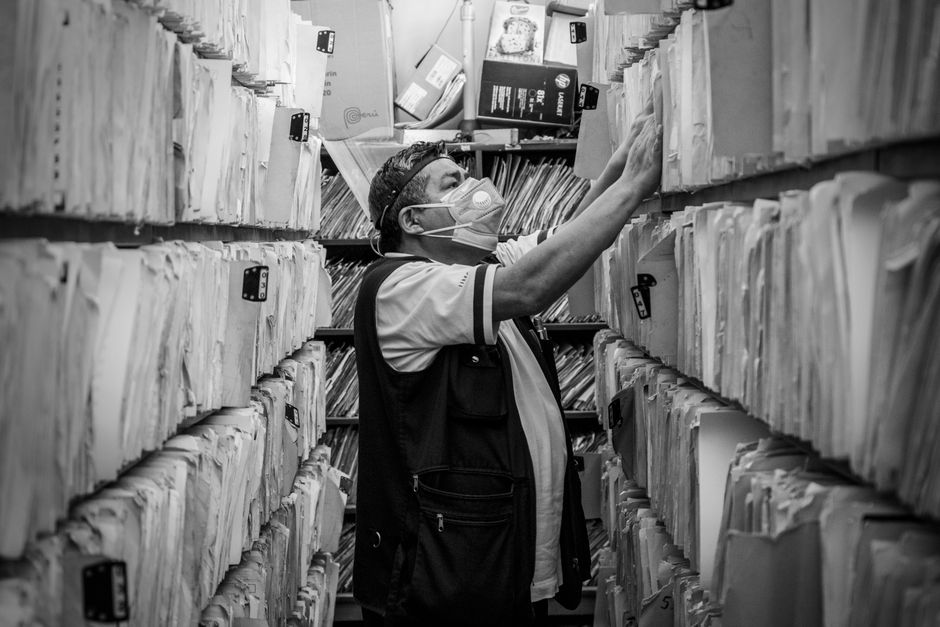
    The strong room kept the parish registers, the burial board minutes, the enclosure maps, and a green ledger the length of my forearm, WRIXON BEQUEST tooled into the spine in letters gone the colour of tea. One page per year. Every page opened with the same line, in print older than the binding:

    To the use of the town, in consideration of its continued silence. One house.

    Below it, in changing hands: school repairs, the almshouses, the bathing pool, a boiler for Larchfold. At the foot of each page, one countersignature, registrar after registrar back to a man who crossed his f’s like rapiers.

    And under every signature, the same two words, every year, for two hundred and seventy years, each written in that year’s own hand.

    asked nothing.

    Fourteen Weir Lane

    Matching the write-off to a name took eleven minutes the next morning, which is eleven minutes longer than it should have taken anybody. Aldersey, 14 Weir Lane. Arrears since spring — a catalogue account, then a payday spiral, the kind of file where every page carries a different-coloured phone number. The W-7 warrant cleared the lot, down to the forty-four pence.

    The house stood empty in October the way houses do when people have left on purpose and quickly. Curtains up. Bins in. A trampoline in the side return with leaves settled on it, and next door’s cat on the wall, being fed by somebody else now.

    At the sub-post office I asked Mrs. Ellery whether the Alderseys had moved. She counted out my stamps first.

    “Mail’s gone back,” she said. “First class, second class, the school letters. All of it goes back now.” Then she asked after Danny, because her sister had two nights a week at Larchfold, and wasn’t it a mercy, a place like that holding its fees all these years.

    Head office had been due to close that counter in the spring. A campaign lasted a fortnight and folded when an anonymous donor covered three years’ rent. Everything in Harnwick, I was beginning to work out, was covered by somebody. Not a town with a secret. A town on a retainer.

    Asked Nothing

    The assessor, Mr. Croud, had held the same round for forty years and spoke about the bequest the way other men speak about a knee that aches in rain. Fifty-two pounds a month, added to a pension that had stalled in 2009, and in forty years he had never once had an October arrear referred upward. He didn’t call that a condition. He called it a habit the office had got into.

    The estate agent — Braun, the only one with a Weir Lane board in her window — sold the quiet houses inside a week, at nine-tenths of asking, to buyers she chose herself, and took her commission on the full figure. She kept a waiting list. She called it her opportunities list.

    Mr. Pask’s archive annex, the room where his life’s parish books lived in the exact order of his two hands, had been built in 1961 and paid for by page 208.

    And in the green ledger, under 1998, the struck household had been a Miss E. Corrigan, of the school house. She had taught Mr. Pask his fractions. Twice that autumn she had written to the ombudsman about the town’s accounts, and twice the ombudsman had asked the council to clarify. Her card came out of the roll on the first Tuesday of November. The file held a copy of her last letter, three lines, the third underlined by whoever had filed it:

    I am asking a direct question and I expect a direct answer.

    “The letter from the solicitors isn’t an answer,” Mr. Pask said, when I slid the card back into its drawer. “It goes where it goes. Nobody picks the address. What you’re reading as a punishment is the rent coming due.” He shut the drawer with his hip. “She taught me fractions. I’d have told her to stop writing.”

    His retirement landed in the same week. The annual account needed a serving registrar’s countersignature by the first Tuesday of November or it failed the audit, and a failed audit called in the deed’s reversion clause: everything drawn since the last signature, repayable. The reversion schedule named the school repairs, the almshouses, the pool, the boiler, three years of a sub-office’s rent, and Larchfold entire, wing and ward and Danny’s four nights.

    Or nobody countersigned, and the town did what towns do, in the open, with bailiffs.

    “It’s your signature this year,” Mr. Pask said, not unkindly. “It was always going to be yours before Christmas. That’s why you got the interview.”

    The First Tuesday

    The solicitor’s letter to 14 Weir Lane was one line on heavy paper. I know because the Alderseys brought it to the counter themselves, on the Monday, calm as people posting a parcel, and asked me to witness their signatures on the schedule. Debt cleared, notice served, keys in the box. The boy wanted to keep the trampoline and was talked down to a photograph of it. They thanked me. Nobody wept, and I have decided not to build anything out of that.

    I did the rest myself, in the ordinary order. Line through the title card. Removal from the roll. The arrears book squared to the penny. Then the green ledger to the current page, and my countersignature under the print, and the two words beneath it, in my own hand, in the space the deed leaves for them.

    This September a new warrant came up from audit. Code W-7, three hundred and six pounds even, against a name I had already served at the window twice. My manual still runs A through V.

    I initialled it before lunch.

  • Level Ways

    Level Ways

    The brochure for Chantry Meadows showed a patio with bistro lights and a lawn running down to a hedge. Number fourteen. The site plan in the sales office had a dotted line across the bottom corner, labelled public footpath — to be diverted, and I asked about it at my second viewing the way you ask about a school catchment.

    I knew what the line was. Knowing was my job. I’m a definitive map officer; I process the orders that move, create and extinguish the county’s public rights of way, and the diverted route for the Chantry Meadows development was casework DVO/23/19. I picked the file up myself. Carl raised one eyebrow over his mug and said, “You’re the only one who knows the parish,” and that was the whole of the governance conversation.

    The old line ran four hundred and ten metres across a field, from the estate boundary to the lychgate of St. Bride’s. Level the whole way. The tenant farmers, the Hesketts, had left the gates on the latch for as long as anyone could say, and the way had been recorded in 1949 on twenty years’ use. The replacement route ran along the estate’s landscaped greenway: ramped access, a chicane of bollards against motorbikes, a self-closing gate warranted to ten thousand cycles, and — where the ground fell towards the balancing pond outfall — a flight of seven timber steps.

    I inspected it in July. Trainers, ten minutes, one photograph for the file. On the form I wrote walked and found fit for public use.

    One objection arrived in the statutory consultation. Wadsworth & Son, funeral directors since 1861, trading now — their letterhead insisted — as Wadsworth Life Celebrants. Their case, in full:

    The diverted line is impassable to a cortege. A coffin must be carried level. The proposed steps at the pond outfall would prevent any funeral using the way, as the old road was used, on foot, until 1938.

    Counsel’s view was that sentiment is not a material consideration. I drafted the paragraph that said so. The order was confirmed in March; the old line ceased to exist in law; I completed on number fourteen in April with the garden the brochure had shown, hedge to fence, no dotted line anywhere.

    The Coffin Stone

    There is a slab of gritstone at the old field edge, set on two uprights, where coffins used to rest on the walk from Ollerbrook. It appears on none of my maps. It is on the ground, and for four hundred years that was the same thing.

    The first thing it collected was a wreath.

    Albert Rigg died at Fernlea Lodge in the third week of May. Hearse, road route, burial at St. Bride’s, all in order. On the third night after, his coffin wreath — white carnations, the card still wired to it — stood propped against the stone, a field away from the churchyard and half a mile from the care home, on a line between them that no road followed.

    The parks team logged it.

    SR 88112: fly-tipping, funeral-type wreath, historic stone, Chantry Meadow [sic]. Removed 08:40. Item recurred following a.m.

    The card was still wired to it the second time.

    After Mrs Aldous died in June her cardigan lay folded on the slab — folded, arms crossed over the body of it — with her reading glasses beside it, and her daughter said at the counter, to nobody in particular, “We put those in with her.” After Stanley Batty in July came a garden fork with a yellow-painted handle, carried a field’s width from the allotment he’d kept; the secretary recognised the handle because he’d lent it to Batty in 1994 and long since written it off. A christening shawl turned forty miles, arriving on a cousin’s doorstep in Wakefield with no stamp and no wrapper. A widow in Harrogate found her husband’s wedding ring in the soap dish — buried on his hand two years before, and now returned, polished, still warm from somebody’s pocket.

    They were settling their accounts at the stone. Everything borrowed, everything owed, handed back and squared — because nothing more can be carried past the steps.

    The management company had the greenway gates locked at dusk by August. It made no difference. The Hesketts’ old perimeter gate, padlocked since the show homes opened, was found standing open on the third night after every death in the parish, the padlock closed and hanging, unpicked, on its chain.

    The Deposited File

    My grandmother died on the fourteenth of November. She was the reason I knew the parish at all.

    Funeral at St. Bride’s, road route, the firm that had objected to my order now carrying her politely past the field without comment. On the third night I stood at the coffin stone at dawn with a flask of tea, because I am not a clever woman and it took me until then.

    The tin was there. A biscuit tin with a rusted rim, the one I’d borrowed for a school bake sale in 2019 and never returned. Empty. Wiped clean.

    The deposited documents for the 1949 claim live in the basement store at County Hall, box 311, tied in pink tape. The perambulation notes are in a surveyor’s fist, and folded inside them is a letter from the then rector of St. Bride’s, which I read standing over the trolley because I did not trust myself to sit.

    The way is used nightly, in all seasons, by the older residents of the parish, and has been beyond the memory of any living witness. They go carried level, and the gates are left on the latch for them, as the Hesketts and theirs before them have always done. I vouch the use as continuing, and as of right.

    Initialled beneath: Use accepted. 20 yrs. A.S–R.

    The rector’s older residents were the only users he could honestly name, being dead, all of them, every night, in all seasons. The 1949 surveyor had a schedule and a growing map and no cause to enquire further, so the parish dead went onto the record as the public, their processions as use, and the right they had walked into existence was the right my signature took out of it. The greenway is on the definitive map now, a recorded way, good in law. But they go level. Whatever wrote that rule in them has never heard of our appeals process, and seven timber steps are, to a funeral, the end of the world.

    On the Latch

    I costed the honest route first, because I wanted there to be one. A fresh diversion order: statutory consultation, site notice, the local paper, objections from two hundred and forty households, committee, inquiry. Eighteen months, on a good day. This parish buries two hundred people in eighteen months, and every one of them would stop at the stone with their accounts half paid.

    Or dedication. A freeholder may dedicate a highway over her own soil, and where the highway authority accepts it, the way exists from the moment of acceptance. No inquiry. A plan, a statement, a signature.

    The old alignment crosses my garden at the bottom, past the patio, through the hedge I now own.

    I filed it myself. Carl accepted it under delegated powers on a Tuesday, between verge-cutting items, in four minutes. No member involvement required.

    The map was amended within the month. Footpath created, 410 metres, Ollerbrook to St. Bride’s, carried level across 14 Chantry Meadows. My house, on the record, in red.

    On the third night after the next death — an infant, in February — I left the curtains open and the porch light off and sat in the kitchen with the tin on the table. The lawn took the procession without a sound, past the patio, level through the gap I had cut in the hedge, and I did not count them. In the morning the stone was bare. It has stayed bare, and the wreaths go to the graves now, where wreaths belong.

    The search on my house shows a public right of way across the patio, so the house is worth what the land is worth and not a penny more. I’ve stopped mowing a strip two metres wide. The management company wrote to me about the hedge gap; I sent them a copy of the modification order, and they stopped writing.

    I keep the gate at the bottom of the garden on the latch. It is not locked, it never will be, and I have told my sister, in writing, what to do with me when the time comes: carry me level, through my own garden, the old way.

  • Paper Miles

    Paper Miles

    The township appointed me fence-viewer three days after Elmer Voss died. I worked the counter at Halverson Feed and Seed, Elmer had worked it thirty-one years, and when the trustees needed somebody cheap, I was standing closest. Four hundred dollars a year, plus the disputes Elmer left in a cardboard tray. Twenty-two of them, oldest from 1998.

    The job is simple on paper. Two neighbors can’t agree what a lawful fence is, or who pays for the half of it that isn’t his, so a viewer drives out, looks at the wood, and writes his finding in the book. The book was older than the store. Gray canvas cover, sewn spine, the first hundred pages gone brown as tobacco. Elmer’s rule was that every entry gets renewed yearly or it goes stale. I took that for bookkeeping.

    Forty Feet of Nothing

    The Brandt dispute was number nine in the tray. Rudy Brandt and the Osterloh place share a half mile on section line eleven, and last spring Rudy ran new woven wire with a barbed top, tight as a drum, forty feet inside the old line. The old fence was still there in a manner of speaking: cedar stubs rotted to shin height, wire gone to rust lace. Rudy wanted the stubs struck and the new wire certified on his survey.

    The forty feet between them was the argument. Rudy said his side had always farmed it. Alan Osterloh said different. I went out on a Thursday to view it.

    The strip was grazed to the dirt.

    Right to the stubs, and not past them. On the Osterloh side the orchard grass stood knee-high and silver, unbroken, and I watched Rudy’s yearlings walk the stub line with their heads down, cropping the last half inch of it, and not one of them put a foot over. Forty feet of bare ground on one side, feed on the other, and cattle that had worked that line all summer like it was wired.

    Habit, I decided. A mineral seam, maybe. I certified the new fence on Rudy’s survey, struck the stub line, signed it, and noted the grazing because Elmer would have noted it. The stock kept to the stubs all the same. Some things you write down and some you don’t.

    The Kemerer Gap

    The audit letter came in June, from the county records office, copied to the trustees.

    Per the modernization schedule, all fence certifications exceeding twelve months without a current view will be struck from the record. Re-grade truthfully. Findings unsupported by wood or wire may expose the township in partition actions.

    Ada Kemerer had died in February. Elmer had viewed her line in the spring of ’03 and never initialed a renewal after that, and then he died too. Two signatures short, the entry went stale by the book’s own arithmetic, and the county struck it the first week of July.

    I drove out County K to see what a striking does to a lawful fence that is still standing.

    The wood was fine. Half a mile of good four-board. On the outside of it the ground was torn end to end, furrows thrown toward the field, the way a plow throws them when something is dragging it backward. The dogs on three farms had given no voice in the night; all three owners told me so without my asking. And Alan Osterloh’s fourteen heifers were dead along that half mile in a line, standing dead, no mark on any of them, every one faced out toward the torn ground.

    The vet wrote that their hearts stopped. Fourteen hearts, the same hour, in a row, pointed at the same gap.

    Nineteen Seven

    I stopped sleeping well and started reading the book instead, from the back, the way you eat an ear of corn.

    Elmer’s last decade was entries along the township edge. Section thirty-two. The north quarter line. The mile along Ditch Road. Places I knew, and knew there was no wood. I drove them at dusk with the windows down. There is no fence on the north quarter line. There never has been, not in my lifetime, not in Elmer’s. Eleven miles of certified line fence around the outside of the township, with nothing standing on any of it but the entries themselves.

    The first page is dated April 9, 1907.

    Viewed this ninth day of April by the undersigned, the line fences of the town plat of Wetherby, section by section, mile by mile, and find each one lawful, hog-tight, cattle-tight, and sufficient—

    Three signatures under it, iron-gall ink gone the color of old blood in a bottle. Folded behind the back cover was a plat map with every certified line ever entered, inked over the decades in different hands. I laid it flat on the counter and traced it with one finger. The lines don’t follow the section roads. They chain. Farm line to farm line, entry to entry, and they close — a ring, tight around the original town plat, with the paper miles of the township edge for an outer circle.

    Elmer told me a thing once, his last winter, ringing up a salt block. Wood rots, he said. A finding doesn’t. I had thought he was talking about the ledger.

    The county gave me thirty days to re-grade the book truthfully. Graded truthfully, eleven miles of it stops existing. The Kemerer half mile had showed me what comes through where a line goes stale. And a ring doesn’t open in one place. You truth it out all at once, every gap in the same hour, and it’s Kemerer to the horizon.

    Sufficient to Retain

    So I did what the office does. I viewed.

    From the truck, at sixty, windows up. Eleven miles of nothing, viewed and found lawful, hog-tight and cattle-tight, my own hand and seal, dated within the week. Then I wrote past the ring. Cedar Hollow, the forty-lot subdivision staked out beyond the east line, no fence of any kind, and torn ground already running along the stakes that the developer was calling badger diggings. The statute gives a viewer what I needed: where two occupants adjoin, either may petition, and the viewers may order a partition fence built and apportion the cost in equitable shares. The developer’s east line adjoins a certified line of the township ring. That’s a matter of record.

    He fought the warrant at one trustees’ meeting and lost, because the book says what the wood doesn’t. The homeowners association calls it a privacy wall. Eight feet, board on board, dyed barn red, billed to the lots by equitable share. They paid without knowing what they were buying, which is the only way this town has ever bought anything.

    The audit closed in September. Clean numbers, the county wrote back. No findings unsupported by wood or wire.

    The last night before I filed it, I read the first page all the way down, past the signatures, to the end of the entry. I had stopped copying at sufficient, the way you stop at a word you’ve read a thousand times and think you know.

    The entry runs four more words. Viewed, and found lawful, and sufficient to retain.

    Not to exclude. Not to turn. To retain.

    I keep the book under the counter now, where Elmer kept it. The renewal notices go out in March, and there are forty more of them than there were last year. Beyond the Cedar Hollow wall the surveyor has already staked phase two, and on my way home the grass out there stands in the dark, knee-high, even, ungrazed on both sides of the stakes.

  • Left Full

    Left Full

    The Winter Order

    The last job of a winter’s day on the Weirfield Flight was to wind the paddles shut and leave every lock full.

    You worked from the top. Chamber by chamber, windlass on the spindle, ten turns to close, the water easing off its clatter until the flight stood brim-full and still, gates home, thirty-two acres of held water going nowhere until morning. Then the windlass back on its peg in the hut, and the long walk down the towpath in the dark, checking bywash weirs by ear on the way past.

    “Leave them full,” Ted told me at the handover, three winters back, when the cottage keys were still warm from his pocket. He was seventy-one and retiring to a bungalow in town and he gave me the rule the way you hand over a gate key, no weight on it at all. “Full to the braces, gates home, lamp in the window if it’s hard frost. The boat comes up.”

    I asked which boat. He was already at his car, patting his pockets for the glasses that were on his head.

    “You’ll have your own way of seeing it,” he said. That was the whole of my instruction on the matter, and for three winters it cost me nothing. I left the locks full because Ted had left the locks full, and the man before Ted had left the locks full, and the trust’s winter booklet said stand paddles open where safe, which every keeper since 1888 had agreed meant full.

    Then, in the first week of December, the fax from the water engineer.

    FROM: J. Kelsall, Water Engineer — Central Office
    RE: Weirfield Flight, Locks 1–8 — Winter conservation
    With immediate effect the flight will be stood empty overnight and at weekends. V-notch meters are installed on all bywashes. Losses to be accounted weekly against allocation. Keepers will note that the winter review informs the staffing of all tied properties.

    The last sentence was about my cottage. I have read it enough times to be sure.

    So on the Monday I dropped the flight for the first time in its working life. Paddles up, chambers running down into the pounds, gates left on the latch, meters ticking their little figures into their little loggers. It took until midnight. At the end of it the flight was a set of dry stone stairs with water at the bottom of each, and I went to bed with the numbers clean and my job safe on paper.

    Lock Six

    A full flight talks at night. Gates ease on their quoin blocks, bywashes whisper, held water does its small patient work against every seam. An empty flight says nothing. The silence woke me at two, the dog already at the door, and I went out with a torch into frost that creaked underfoot.

    Lock Six is the deep one, fifteen feet to the cill. The torch picked out the ladder rungs, the wet clay of the floor at the far end, and a boat.

    Grounded. Upright, whole, sitting on the chamber floor where fifteen feet of water should have been, stem to the top gates, a paint line of roses along the cabin doors gone the colour of old tea. It rested on the clay the way a boat rests on a banked slipway, no keel blocks, no shores, listing a hand’s width to port. The name board read Speedwell — Tarnbrook, and the paint was sound, and the rudder was shipped, and there were no towpath prints anywhere between the locks, and a grey horse stood on the towpath above with frost on its harness.

    It did not look at me. It looked down the flight, the way a horse looks down a road it knows.

    I stood on the beam for a long time. Then I went back up and I did not sleep, and at first light I went out again and the chamber held grey water to the top gates, as the order required, and nothing else. The horse was gone. Where it had stood, the frost was chewed off the grass in two neat crescents.

    The Flight Book

    The flight book lives in the hut, a ledger of every working passage since 1888, and keepers before me had kept it in weather like handwriting. I sat with it that morning under the lamp, back to the winter of 1936.

    3 Dec. — Up: Speedwell, running light, grey horse. Toll taken. W. Harber.
    4 Dec. — Down: Speedwell,

    The line has no cargo and no initials. The entries jump to the 6th, a coal boat from the colliery arm, and go on as though nothing had stopped. In February of 1937 the company renewed the gates of Lock Six out of season, and the trust archive keeps the invoice: chamber dewatered, floor relaid, twenty-six loads of puddle clay. Winter gate work is not a thing. Nobody relays a floor in February for gates.

    Ted came out on the Saturday with his wife’s shopping bags already in the car, and I asked him about the rule, and he asked his question before he answered mine.

    “Was the horse standing?”

    He nodded when I said it was, and looked at the hut lamp for a while, and then he told me what telling took. The keeper before him had taken the rule from the keeper before that. The Speedwell went down in the chamber in the hard frost of ’36, at night, loaded, the boat caught back on the cill while the chamber filled with nobody awake to shut the paddles. Three aboard, all asleep, the horse made fast on the towpath. The company pumped the lock out in January, and it was cheaper to level the hull and relay the floor over it than to raise it, and cheaper still to enter the boat in the register as carried off the cut, gone, struck through.

    “They left the flight full after that,” Ted said. “Not the company. The keepers. A full chamber lifts. A grounded boat—” he put his hand flat on the table “—a boat that grounds on the cut is a boat somebody can break up and cart away. Standing water holds her up. That’s all I know, and I’ve kept it forty years, and you can see I’m still in one piece.”

    Fifty Thousand Litres

    A lock on the Weirfield Flight holds a bit over fifty thousand litres. That is what one night of mercy costs, and I paid it the following Tuesday, at two in the morning, torch between my teeth, winding the ground paddle of Lock Six until the chamber came up dark and quiet around the Speedwell and lifted her off her own grave.

    By dawn she had worked herself down into the top of Five. Empty again below, full where she needed it, gates shut behind her, horse and all. Gone by first light, the way the rule had always promised.

    The meters took the lockful down as unexplained loss. On Thursday Kelsall’s weekly fax read losses 0.05 Ml against allocation, cause unknown, and by the following week, with the boat down into Four and another lockful gone from my figures, the fax had grown a second paragraph. Suspected leakage, Locks 4–8. Structural review recommended. The relining contract, which had sat in the capital plan for March, came forward in the post to the second week of January. Drain, dewater, and cast a new concrete floor in every chamber from Five to Eight.

    The mathematics took me a night to face. Every lockful I gave her moved the boat one chamber home, and moved the dig one week nearer, and a boat sitting in the bottom of Six on the day the pumps came would be clay and concrete and company history inside a month. And the trust made it worse the natural way institutions do: they dropped the flight entire on the twenty-second for a dewatering test, meters running, and that night she was back at the bottom of Six, grounded on her own roof, and the grey horse stood over her until morning.

    By Lamplight

    The contractors came on the twelfth of January at seven. That left me the night of the eleventh, one feeder sluice at the summit with the winter reserve behind it, and six chambers of work between the Speedwell and the coal wharf at Weirfield Bridge, where her cargo had been headed for sixty years.

    I opened the feeder at dusk and let the pounds come up while there was light to walk the beams by. Then the work. Down is the hard direction alone: empty each chamber ahead of her in the dark, wind it off after, the beam ends dressed in ice, the paddle gear stiff enough to strip the skin off both palms. She came down through Six with her cabin lamp lit behind the roses, came down through Five with the horse’s hooves keeping time on the towpath above me, and at the second lock the rope came off the rail and lay down along her roof like a thing resting.

    At Four, a light moved inside the cabin. I did not look twice. There is a kind of looking that costs.

    The pounds were low by order, and six lockages run down through them, so I left the feeder open the whole night, and the reserve came off the hill and through the flight after her, and the meters took every litre of it down in their little figures. Between Two and One the horse overtook me on the towpath, close enough to touch, breathing like a bellows in the frost, and the wharf crane at Weirfield Bridge stood up against the sky the way it had stood in 1936, and the last chamber let her out onto the bottom water an hour before the light.

    She made fast under the crane. I wound the last paddle down at six, and turned for the cottage, and when I looked back from the bridge the wharf stood empty, and the frost was off the coping stones in the shape of a long hull.

    After

    Kelsall’s letter came in a fortnight, and it was courteous, and it was final. 0.44 megalitres unaccounted. Position deleted at review. The contractors, for their part, found under the floor of Lock Six nothing but clean puddle clay laid flat in 1937 and one horse-shoe, cold and bright, which the foreman nailed over the hut door for luck.

    The flight holds water perfectly now. Six years of metering, and the loss column runs a flat line at zero, week on week, as if something up there settled the account entire.

    I keep locks on another water now, a flight of four, a long way south. Windlasses change, rules travel. I leave them full.

    It costs a lockful a night, and I have never begrudged it once.

  • The Fourth Chair

    The Fourth Chair

    The Empty Place

    My mother set five places for four people at every meal of her life. Papa, my brother Vern, me, herself — and one more, down at the end near the window, with the good fork. Ask her about it and she’d say, “In case.” In case of what took forty years of asking and got nobody anywhere, so eventually the family stopped asking. Casseroles, threshing dinners, funeral lunches — the plate sat there through all of it. Set. Empty. Cleared.

    She died in November of ’98, between harvest and hard frost, and we held Thanksgiving at my house because Papa couldn’t sit at her table. I did what she would have done: turkey, dressing, the good cloth, Vern’s kids underfoot. Somewhere between mashing the potatoes and calling everyone in, my hands set one place more than I needed. Habit. Grief washes dishes you don’t remember starting.

    That dinner ran the way her dinners always ran. Easy. Vern and Papa got through three hours without one word about the quarter section, which had never once happened indoors. On the drive home Dean said it was the nicest meal since the funeral lunch, and I said yes, dear, and afterward I stood at the sink with the extra plate under the tap.

    It had come back scraped clean. Nobody had served anything onto it.

    I washed it anyway. Eleven people in my kitchen, the whipped cream going soft, and a washed plate is a washed plate.

    Christmas, I set it again. I told myself it was for her.

    The Year of Easy Dinners

    Dean is a deacon and a practical man. In March he started giving me the look over it, and the Sunday before Easter he put the plate and the chair away in the corner cupboard while I was at church. “We’re past it now,” he said. “She’d want us past it.”

    The gravy broke. The ham came out of the roaster grey at the bone. And Vern, twenty minutes in, finally mentioned the land — and by two o’clock my kitchen had heard the whole inventory: the loan Papa co-signed in ’84, the widow Hovda and the field drainage, what Vern’s wife’s family said about ours when the doors were closed, what ours said back. Dean’s mother left with her coat half on. Two grandchildren cried. Papa called Vern a word I won’t put in this book, and Vern stood up so fast his chair went over backwards.

    While they yelled, I fetched the plate from the cupboard. Set it. Fork, knife, water glass. Nobody watched me do it; they were busy bleeding on each other. Inside ten minutes — I counted; that’s when the counting started — Vern picked his chair up off the floor, and then he and Papa were hugging across the corner of the table, both crying, both apologizing, and Dean’s mother stayed for pie.

    The turn was too fast. Grief doesn’t turn that fast. But the pie was good, everyone went home full, I had a daughter to raise and a farm to hold in one piece, and the fourth chair stayed.

    That was the year the dinners got easy, and they stayed easy. Turkey days, birthdays, harvest suppers, ordinary Tuesdays. We were known for it, in our small way. Never a cross word at that house. People said it like a compliment.

    It took me years to understand what the compliment cost.

    Nobody says no in my kitchen. I don’t mean we’re polite. A farm can’t afford polite — a farm runs on no: no to seed at that price, no to the co-op’s schedule, no to Gene borrowing against the baler a third time. But somewhere in those easy years the no stopped coming out of my mouth. I would open it with the whole sentence ready, the fair one, the necessary one, and what arrived instead was “Whatever you think is best,” in my own voice, warm as pie filling. Gene’s third loan: “We’ve got savings put by.” The seed contract I wanted read by a lawyer: “Sign it, then.” Every time, the words came out level and agreeable, like water finding its level, while the rest of me stood behind them holding the objection out like a dish nobody would take.

    The year Jenny turned fifteen, hunting for the roll recipe, I found the back pages of Mother’s book.

    1961 — never told Joe about the letter from his brother.
    1972 — the money for the north forty, and where it really went.
    1985 — your father and the woman at the grain office.
    1997 — your turn now. You’ll understand.

    Her hand, all four. Above 1961, older lines in two other hands with the ink gone brown: 1944, something about a brother and the Army; 1931, a sum of money and the single word held. Three women, one book, and every year one thing each of them never said out loud.

    Peace on a farm is an expensive feed, and my family had been buying it for eighty years, plate by plate, from whatever sits at the empty place.

    I could have stopped. Taken the chair out for good, read the book aloud at the table, let every word land where it was going to land. I sat with that one night, book open, kitchen dark. Papa was still living then, and gentle by then, and Jenny was fifteen and proud of our easy table, and I kept thinking about what one afternoon without the chair had done to us.

    I closed the book. That is the whole of my defense.

    The Co-op Parking Lot

    In March of ’15 I came out of the vet’s office with a sack of cat wormer and saw Mark’s F-250 parked behind the building, in the row where nobody parks. I knew the truck. I knew the scarf hanging off the mirror, and it wasn’t Jenny’s. I sat in my own truck and did the arithmetic I didn’t need to do. Twenty minutes. Then the receptionist came out, fixed her collar in her visor mirror, and drove away. Then Mark, whistling. He waved at me like I was his favorite person alive.

    Jenny got engaged that Easter. The ring is beautiful. She’s twenty-five and she beamed, and everyone at dinner beamed, and I stood up to say the thing I know — I had rehearsed it kindly, one honest sentence with the parking lot behind it — and my mouth delivered “Mark’s a good man. You’re lucky, sweetheart.” Warm as pie filling. The family toasted.

    That night I wrote the letter instead. Dear Jenny. Two pages in my own hand, everything laid out fair: the parking lot, the scarf, the twenty minutes, what it meant about the boy and what it didn’t. I read it back before sealing the envelope, and the pages said, We’re so happy for you both, and you know we will love whatever family you make. My handwriting. Even, unshaken. I burned it in the sink.

    An email, in October. Typed, addressed, my fingers moving under my own direction — and the screen, when I read it, said congratulations in three sentences without one hard word anywhere in it. I can compose the truth all day. I can hold the whole sentence in my head, finished, spelled. Between my head and her it turns into a blessing, every route, every road. The mouth. The hand. The keyboard.

    There’s one place a cross word still goes.

    The Head Table

    The wedding was in June, in the church basement with the good tables. Jenny planned it herself, and at the head table she set one extra place — place card, good fork, water glass. For Grandma, she said. It’s tradition, she told her bridesmaids, so there’s never a cross word at a wedding. The girls thought that was sweet. Her cousins already set one at their own tables. It moved through the family like a recipe nobody remembers copying.

    I gave the toast. I had help. I have help with all of it now — every sentence came out of me smooth and loving and exactly right, and the room laughed in the right places, and somebody’s aunt told me afterward that in thirty years she had never heard one cross word out of me about a soul.

    That part is true. I checked.

    Before the cake was cut, one slice was already gone. White cake, raspberry filling, nobody had served it, and the missing wedge sat in the cake like a pulled tooth. Jenny laughed and said Grandma got hers first, and everyone laughed, and I laughed too, my mouth doing it without me.

    Sunday night, alone, I took Mother’s book down and wrote my line in the back, where our family keeps the things nobody can say:

    2016 — Mark. Behind the vet’s, March of ’15. Ask me and I’ll tell you it’s nothing. Ask me forever; it’s what I’ll tell you.

    They say I’ve never had a cross word for anyone. I haven’t. I’ve said every one of them to the chair.

  • Told to the Bees

    Told to the Bees

    The solicitor’s letter gave me until the twenty-eighth.

    Clear the paddock, sign, and the developer’s machines come in behind me. I run two thousand colonies on pallets — six weeks in the Kent orchards each spring, north for the heather in August, a life measured out in blossom contracts — and the money from Grandad’s paddock was the deposit on the newer truck the round has needed for two seasons. One week home. That was the whole plan.

    The yard sat at the top of the paddock behind a hedge of old Codlins: eight straw skeps on a bench under a tin lean-to, each dome older than me. Skeps are unlawful now, and have been near enough a century — you cannot open woven straw to inspect for foulbrood, and the law keeps no column for things that worked seven hundred years. Grandad kept them anyway, and the parish let him, the way you let a man who has buried two wives and every friend he outlived.

    The bees had been gone since the spring he died. Three winters. I expected a bench, some rot, a clearance job.

    The first colony found me before I had the gate open.

    The Airbrick

    Aldercote Lane, the old school porch, the FOR SALE board gone grey in its frame. Bees worked in and out of the eaves at a steady walk — not scouts, a settled swarm, comb down behind the fascia. October is late for a move like that. I stood under them a while. They had the concentration of a colony with a job.

    Then the bungalow on Larch Avenue, Mrs Hollis’s old place, empty ten months while her son in Dubai argued with the estate agents. Bees in the airbrick. Then the pub on the square that never reopened — bees going up under the ridge of the chimney stack, where the hanging sign used to swing.

    A man who runs bees for a living counts without meaning to. Four colonies, then six, all established inside eighteen months, all inside the old parish boundary, none of them swarm-season shaped. Feral stock moves into soffits all summer; these had moved into the buildings the dead had left standing empty. The town crematorium’s notice page did the rest. I sat in the van with my toast and matched names to eaves.

    The Pocket Book

    The pocket book was in the bothy, under the smoker tin, its cover gone soft as cloth from fifty years of a waistcoat pocket. Entries one line each, decades deep, shillings’ worth of pencil.

    4 Jan. Ada Skelton, Wexley road. Told.

    19 Jan. Stan Peever, the Lamb. Told.

    11 Jun. Beryl Onions, 12 Larch Ave. Told.

    Every death in Aldercote, carried up the paddock in his funeral suit and spoken to the skeps, then closed with the same flat word. I had stood behind him at Nan’s funeral as a boy and watched him knot black ribbon round each dome, and thought it was grief wearing a path. It was a round. He was postman for the one letter that cannot wait.

    The last entry was his own name, the letters dragged out of a hospital hand, and no tick after it.

    I tried the airbrick colony first, because I had Mrs Hollis’s name off the notice page. She had died in the Wexley home in February, no funeral — direct cremation, ashes signed for at a depot. I said her name at the brick, and the date, and that I was sorry. The traffic held its line and nothing changed. It took her neighbour on the garden wall to hand me what the entry needed: foxes. She fed the foxes at nine every night of her life and grumbled at them while she did it, and had gone on doing it through the foot-and-mouth winter when half the street wanted them shot.

    I went back and told the brick that.

    The hive came out of the wall like a held breath let go. They settled into my box on the first pass, and the comb I pulled from the cavity afterwards weighed nothing — dry empty cells, not a smear of stores in it, thin as paper. A colony does not abandon comb like that. That comb had been something else, and was finished being it.

    The rule held at the school porch once I found what the caretaker had loved. Each hive took one true thing and nothing less — not the name, not the date, not the words on a card. The news is not the name. The news is what filled the days that stopped.

    The Bothy Chimney

    The council’s heritage officer came out in my second week with a folder of match-funding. Bee Garden, she called the yard — an amenity for the estate, living heritage, a small grant if I would keep the skeps and do open days. I told her skeps were unlawful. She said everything is, looked at the way you keep choosing to look at it.

    The developer’s clearance contractor was less sentimental. Insect eradication, the twenty-seventh, the bothy chimney included. That suited my deadline, and I nearly signed it off — then counted the chimney’s colony against the pocket book one more time and met the thing I had been not-doing since I came through the gate.

    Three winters of funerals I had sat through as the bee-man up from Kent, and never once said his.

    The contractor was booked for nine. I was on the bothy roof at six with a box and no confidence. The swarm in the chimney had the manner of the others with one thing over them: patience, the long kind, the kind that has been stood up. I took my hat off, because he would have, and I gave it the account I had owed since the crematorium.

    That he had kept every funeral in this parish for fifty years, and nobody had kept his. That he talked to the skeps all year round, not only at deaths — the football, the rainfall, the state of the Codlins — the way other men talk to dogs. That he had taught me bees on that bench and left me boxes and wagons and never once asked whether I had wanted the yard, and that I had not, and that this was the thing I had needed to say to him more than any other, and here it was, too late in the ordinary way and in good time in his.

    Nobody tells the teller. That is the hole in every custom. Someone has to stand at the chimney and do it by hand.

    The swarm rose up the flue and out. The morning was loud, and then it was not, and they were in the box on the bench in one movement. The chimney comb came down dry. The tick went into the pocket book with less shaking than I had budgeted for.

    Bee Garden

    I signed the grant, not the truck.

    The estate went up around the paddock that spring — the hedge went, and the Codlins — and the yard sits now behind a rail fence at the end of a cul-de-sac, eight skeps and a laminated sign about heritage. The council is pleased with the visitor numbers. I run the round until the cherries are done and then I am home, because the office keeps its own calendar, and the telling gets done as it comes: name, and one true thing.

    The pocket book had blank pages cut in at the back. They are filling. The estate stands four hundred houses on ground that was orchard, and none of those families have heard of any of this, and why would they. A man on Marsett Walk died in October, fifty-one, mowing. His wife was still on the phone to her sister when the scouts found my kitchen window — a dozen bees on the glass at seven in the dark, going nowhere.

    I put the kettle on and wrote the line.

    Told.

  • No Change

    No Change

    Fourteen Ten

    The district asked the tower one question every morning, and for seventy-three years the tower had answered in the same four words.

    Ames gave me the real instruction at handover, standing in the doorway of the cab with his duffel already packed. Nineteen seasons on Tierney Point, and he said it the way you pass on a plumbing quirk.

    “Smoke lifts off the saddle west-northwest, you let it lift. Not ours.”

    I had heard the tower talk my first season. Send the new hire chasing wolf smoke, dispatch gets its laugh. So I filed the line with the azimuth corrections and forgot it, because what I wanted that season was a clean file. The district was retiring its paper towers. In January it would award the new technician post in town — permanent, a mailbox, winters off — and my application would stand or fall on my reporting record. The heat-survey feed had gone live in June. Every morning at 08:00, dispatch read me the thermal anomalies inside my view shed and I confirmed or corrected them, in my name, on the district tablet.

    The smoke came up on the fourth of October at 14:10. Thin, off the saddle above Cold Gulch, the grey of ash rubbed into cloth. I took the azimuth twice on the Osborne’s ring, two minutes apart, and the bearing held. The feed carried a signature under the same stand of timber — spread wide, shallow, nothing like a flame front and exactly like something burning underneath one.

    Wolf smoke doesn’t hold a bearing and it doesn’t glow from below. I reported it. Line 31-114, opened in my name, first report 14:10.

    Cold Ground

    A crew walked into Cold Gulch on the sixth and out on the eighth.

    Cold ground. They cross-checked the duff with bare wrists, the way the old books say, and found nothing warm enough to matter. The line settled at “monitor,” which is the cheapest way to keep a line alive, and every morning dispatch asked me for an update and I gave the same one.

    The board said the fire grew. The signature widened each night by a margin too even for weather, and I logged each night’s growth because the tablet asked and my file was my application. The valley kept pace. Elk came down off the saddle two weeks early, whole bands of them standing in the cut hay like they’d been evicted. The sap scars on the west-facing lodgepole bled resin in beads the size of flies. On the twenty-first it snowed all night, and in the morning the saddle steamed — one grey seam where the snow had fallen and not stayed.

    I ran the tablet’s map backward through the summer. The signature had been on that saddle in July, in May, in the archive’s first frames from March. It had been there, holding its size, my whole clean season.

    The Book

    Every tower keeps a bound journal — the weather, the visitors, the radio checks — the paper memory the district never asked for and never threw out. Tierney’s went back to 1953. I had signed it for three seasons without reading it.

    October was slow. I read it.

    The morning line, date after date, season after season, in four different hands:

    22 Oct 1953 — WNW saddle, smoke thin, first snow. No change.
    23 Oct 1953 — No change.
    11 Oct 1961 — Saddle lifting again. Not ours. No change.

    The same smoke, the same week, seventy years running. The hands agreed on the formula without agreeing on anything else — different slants, different pens, the same four words once the saddle came up.

    Then 1968. A hand I didn’t know, narrow, pressing hard enough to emboss three pages down. Vasek, the register page said. Seasonal, first year.

    3 Sep 1968 — WNW saddle, smoke, 14:20. Reported to dispatch.
    4 Sep 1968 — Patrol sent. Nothing found. Line open.
    9 Sep 1968 — Aircraft up twice. Fire marked active.

    The entries ran on like that for six weeks, the recorded acreage climbing in clean increments while the handwriting got smaller. Then the district’s order, copied in — broadcast burnout, containment by season close — and the last entry, dated the morning the burnout went in. It stops at the azimuth.

    The old town at the valley mouth burned that afternoon. Eleven names. The town they rebuilt on the same streets is the one where my application sits in a drawer.

    After 1968 the formula never wavered again. Not once, in fifty-eight years, until my hand.

    Season Close

    My order came down on the twenty-eighth, on district letterhead, and I read it at the map table with the journal open beside it. Broadcast burnout, Cold Gulch, containment by season close. Season close was the thirty-first. The fuel moisture they cited was 1968’s, near to the decimal.

    Policy closes every line by season close. An open line ends one of two ways: “out,” which takes the burnout, or retraction, which takes a Form 122 — a strike against a false initial, signed by the observer who made the report. Reason 6: no fire found. I had a crew chief’s word for that. Cold ground, bare wrists.

    I sat with it until the 08:00 check, and I won’t pretend the arithmetic was complicated. A line that exists gets a burnout. A burnout in that fuel, those winds, that week, crowns the saddle and runs the drainage, and the town at the valley mouth has been rebuilt once already on the district’s confidence. Ames hadn’t been superstitious. He was the fifth wall of a containment strategy nobody had written down.

    The tablet has a signature field, and the form asks you to certify the strike is true. The smoke was real and the heat is real, and I signed that no fire was found, and the signature is mine, and the line died at 09:41.

    You cannot burn what is not on the board. The burnout cancelled for lack of a line. The feed still shows the signature under the saddle — as of last week it shows it under the snow, shallow, even, holding its size the way it has held since before the tower was built.

    The district’s letter about the heat feed came in November. Citing budget, they deferred the cross-check program pending review; my reliability rating took a footnote, the technician post went to Reyes, and the tower’s winter caretaker line — unpaid, unfilled for years — took my signature. The roads close after the first real storm. I go down every second week for supplies and come back up.

    The saddle steams in one seam when it snows. I climb at 08:00, I answer dispatch’s question, and then I open the journal, because the book is not a log. It is a ledger of what the valley is owed, kept by whoever owes it.

    This morning’s entry is dated the eleventh of November. The date, the weather, the radio check. Then the line, in the fifth hand the book has ever had:

    11 Oct — Saddle quiet under snow. No change.