Bare on the Eighteenth
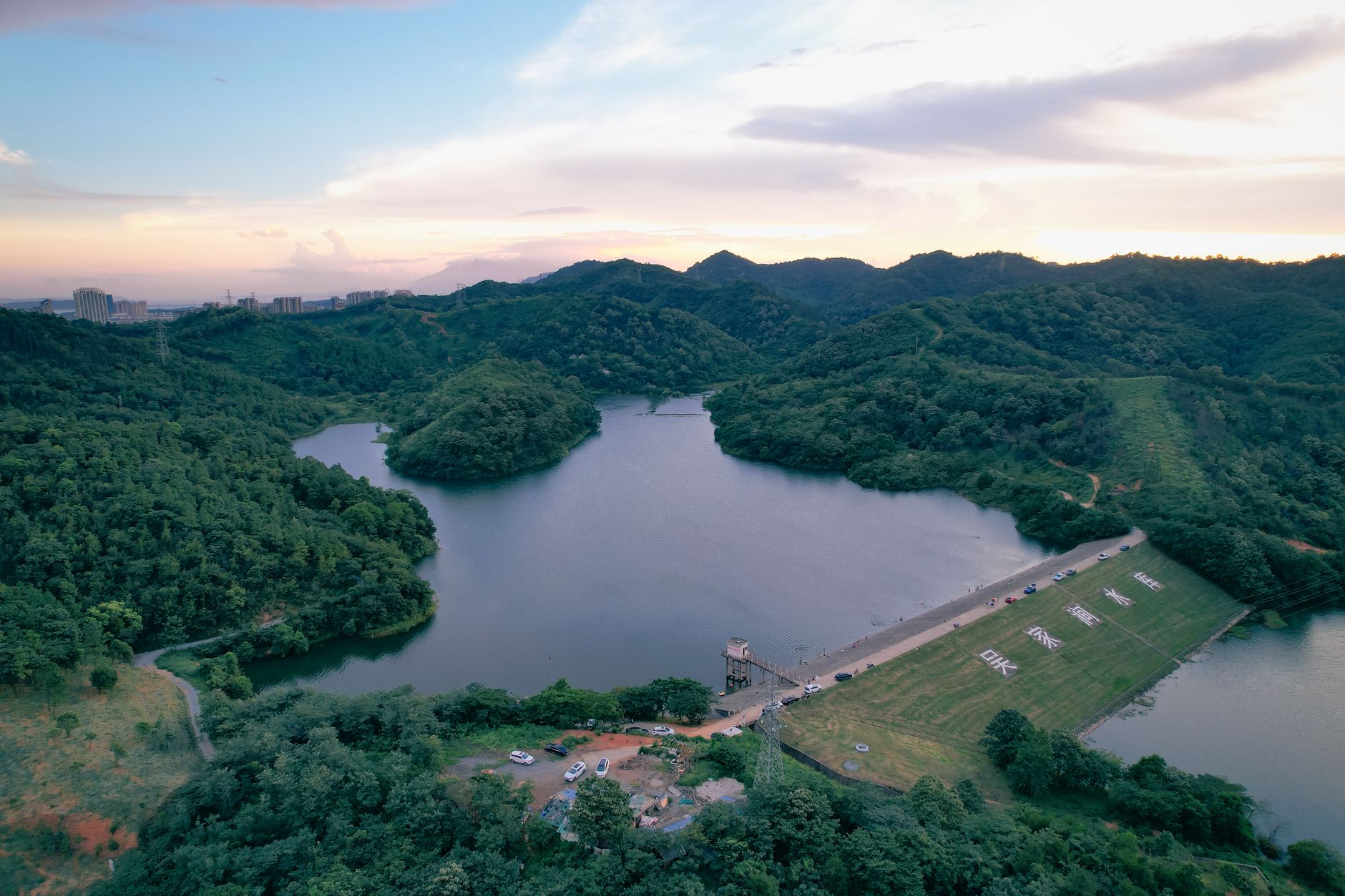
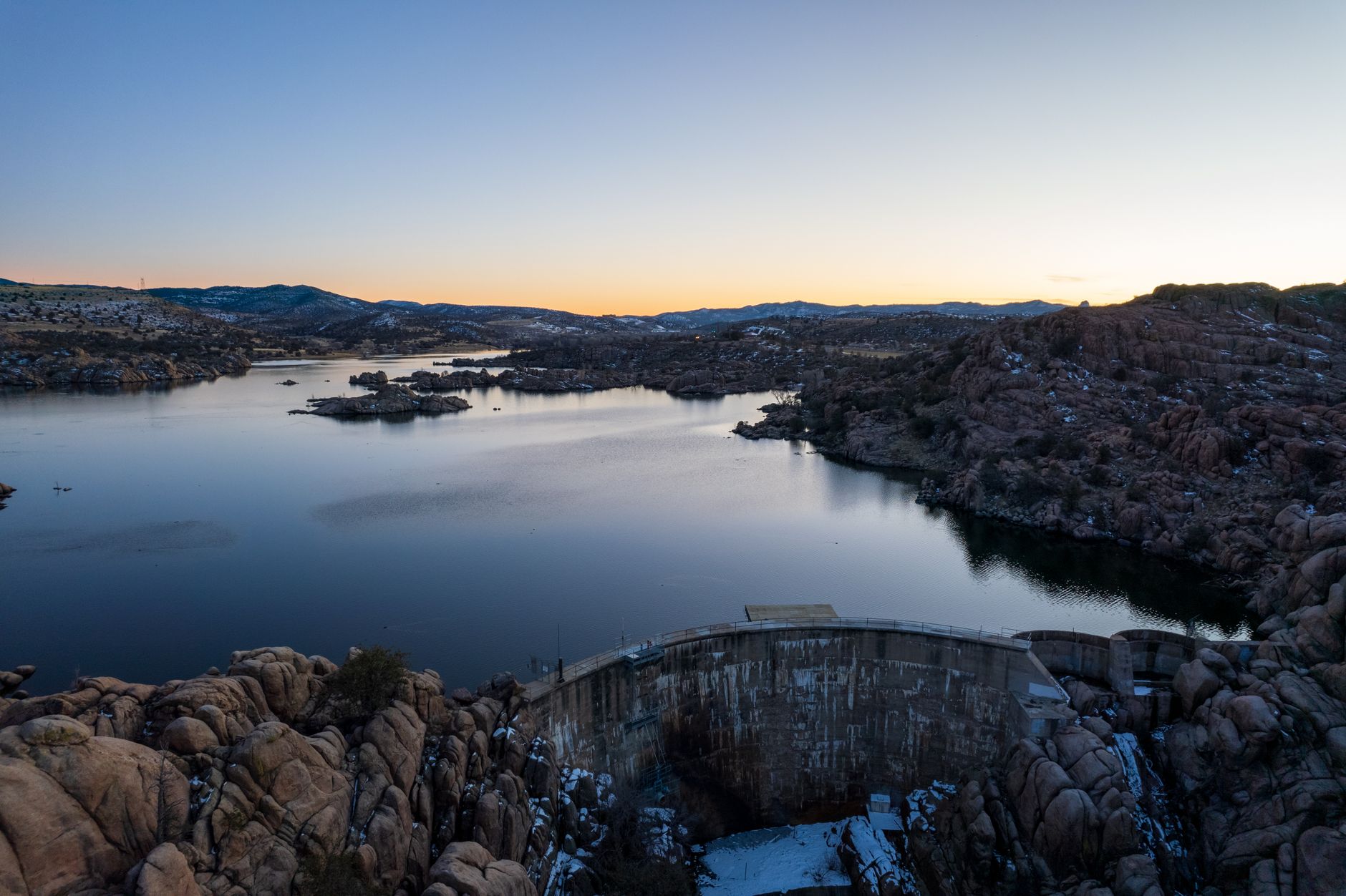
Thornclough runs down from the intake wall to Packhorse Bridge, and the bridge is the last thing in Bramholm — after it come Bridge Street, the chippy, the A-road. Hazel and ash lean into the ravine off the pasture on both sides, and a beck takes the middle, shallow in March, every stone it crosses making its own noise.
I moved for the rent and stayed for the walking. Three winters now I’ve gone up the track most mornings before work, and in spring I record for the Trust’s scheme, first leaf and first flower, because my grandmother did it at Danby for twenty-five years and got a certificate and a fountain pen.
My square is SD82. Most of it is pasture. The interesting hectare is the clough.
On the eighteenth of March the hazels stood bare. Grey catkins, no leaf. A cold easterly had the whole valley and the forecast held frost to the month’s end.
On the nineteenth they were in leaf. Not breaking — out, full, a green visible from the bridge with your specs off, on a morning the thermometer read minus two and the beck edges wore ice. I filed it that evening: hazel, first leaf, 19 March, with a photograph.
The reply came in nine minutes.
Thank you for your submission. Our checks have flagged this record as a possible duplicate of entry #4471 (observer deceased, 1984). Please verify that this is a new observation.
A duplicate of a record lodged by a dead woman two years before I was born. I verified. The record passed into an archive queue, and the queue, said the auto-reply, was reviewed seasonally.
The Case File
This March I did it properly. I walked up on the eighteenth at four in the afternoon with sleet coming sideways: bare, all of it, catkins hanging stiff. I walked down again at seven the next morning. The temperature had fallen overnight.
Leaf. Wall to wall, the whole ravine green under a sky still throwing sleet, and beyond the intake wall — I climbed to check — the hazels on the open fell stood as bare as yesterday and would for another fortnight.
I filed with eight photographs, grid references and a note about the walls. The flag returned in eleven minutes. Duplicate cluster, forty records, twenty-three observers. Please verify. I verified. The record archived itself with a small grey tick.
Then I did what you do at work when duplicates resist merging, because my trade is data cleanup for an insurance broker, eight hours a day of deciding which of two records is real. I asked for the case history.
Forty records. Every one dated 19 March, each species in correct sequence — hazel first, then wood anemone, then bluebell at a fixed fortnight’s remove. Twenty-three observers across the years: a schoolmaster, three postmistresses, a water-board man, a girl who grew up to be the coordinator now asking me to withdraw. Each record had been verified, each verification had folded it into the cluster, and every observer but me had withdrawn in the end. The last page held a memo from a retired validator named Whitfield, the one human sentence in the file.
This square is not data. A single grid of constants drags every regression we run. I have checked the observers, the handwriting and the weather. My advice is that we stop asking. — R.W., 1998
The coordinator rang me at the office, on my work phone, which she had looked up.
“All we need is the withdrawal and the flag clears,” she said. “The spring dataset closes on the thirtieth.”
“The observations are good,” I said.
“Then they’re forty-one identical errors,” she said, kindly, as if that were the smaller problem — and to the schema, it is.
Wall to Wall
The clough keeps its date the way a parish keeps a boundary: between stones. Below Packhorse Bridge, the hedge by the chippy leafed on 11 April in 2024 and on the 29th in 2025 — ordinary, weather-driven, useless for planning. Above the intake wall, the open fell does the same. In between, appointment.
The town knows. I asked the way you ask about anything here, at the counter, about the bins.
Dennis Ackroyd farms the east pasture. He turns his ewes up to the top meadow on the nineteenth, always has; the grass-keep is let “from the greening”, and his silage man bids in January against that date while every other farm in the dale is guessing. In 1981 a schoolmaster’s record brought two surveyors with quadrats up the track, talk of designation, a map with his meadow hatched pink. He ploughed four acres of hay ground into mud before they could return, the survey died, and the meadow took a decade to forgive him. “Recorders,” he said over the gate. “You’re the ones that bring the men.”
Siddall’s Meadow Camping opens bookings on the nineteenth. Her flyer is pinned by the Co-op:
BLUEBELL FORTNIGHT AT BRAMHOLM — DATES GUARANTEED. DOGS WELCOME. NO DAY TRAFFIC.
Guaranteed. You cannot guarantee a bluebell. She can, and does, and on that certainty her pitch fees hold a fortnight of the town’s spring trade; the wardens and car park a designation would bring would finish it. Her mother ran the same flyer, and her grandmother took the first bookings the year the water-board man stopped walking.
The Courier printed it once, in 1996, front page, under the headline SPRING KEEPS ITS APPOINTMENT. A national picked it up for a “weird week” column and sent a photographer who lay in the sleet for two mornings getting nothing. Hulme keeps the clipping in a drawer and his letter to that editor in a frame. “The town decided,” he said. “Advertisers, mostly. Her, and him, and me. Nobody tells you you’re deciding. You just don’t print it again.”
As Ever
The local studies room holds the Brickfield farm diaries, 1871 to 1953, four hands in turn.
19th. Clough green, as ever. Ewes to the top.
The same line on the nineteenth in 1879, in 1902, through the cold wet spring of 1947 when nothing in the dale greened until May. Older than the scheme, older than the Trust, older than the word dataset. Whatever keeps the date kept it before there was anywhere to file it.
I tried the formal way once. The Trust’s portal offers eleven report types and none of them is mine; the nearest is “suspected data entry error”, and I lodged eleven of those with photographs and the diaries photographed page by page. The reply came in six minutes. All eleven merged into cluster #4471, closed with a grey tick, followed by a satisfaction survey.
The dataset closed on the thirtieth. April’s national map of first leafing carries a pale hole over Bramholm — insufficient observations — and inside the hole a ravine green on the nineteenth of March and a town running its year off it.
This morning I was at the intake wall for six. Sleet, then sun. The green came up the clough while I stood there, and it does not come like weather; there is no hour to point to, only that by seven it is there, all of it, and yesterday it was not.
My grandmother’s fountain pen writes wet. I have started a paper book, one line a year, and today’s is the same line the Brickfield hands wrote, because it is the true one and there is nowhere to put it:
19th. Green, as ever.
The beans went in after lunch. My mother’s train is booked for the fortnight, because I can promise her the bluebells, and there is nothing else in my whole life I can promise.
I didn’t submit.