The Walk
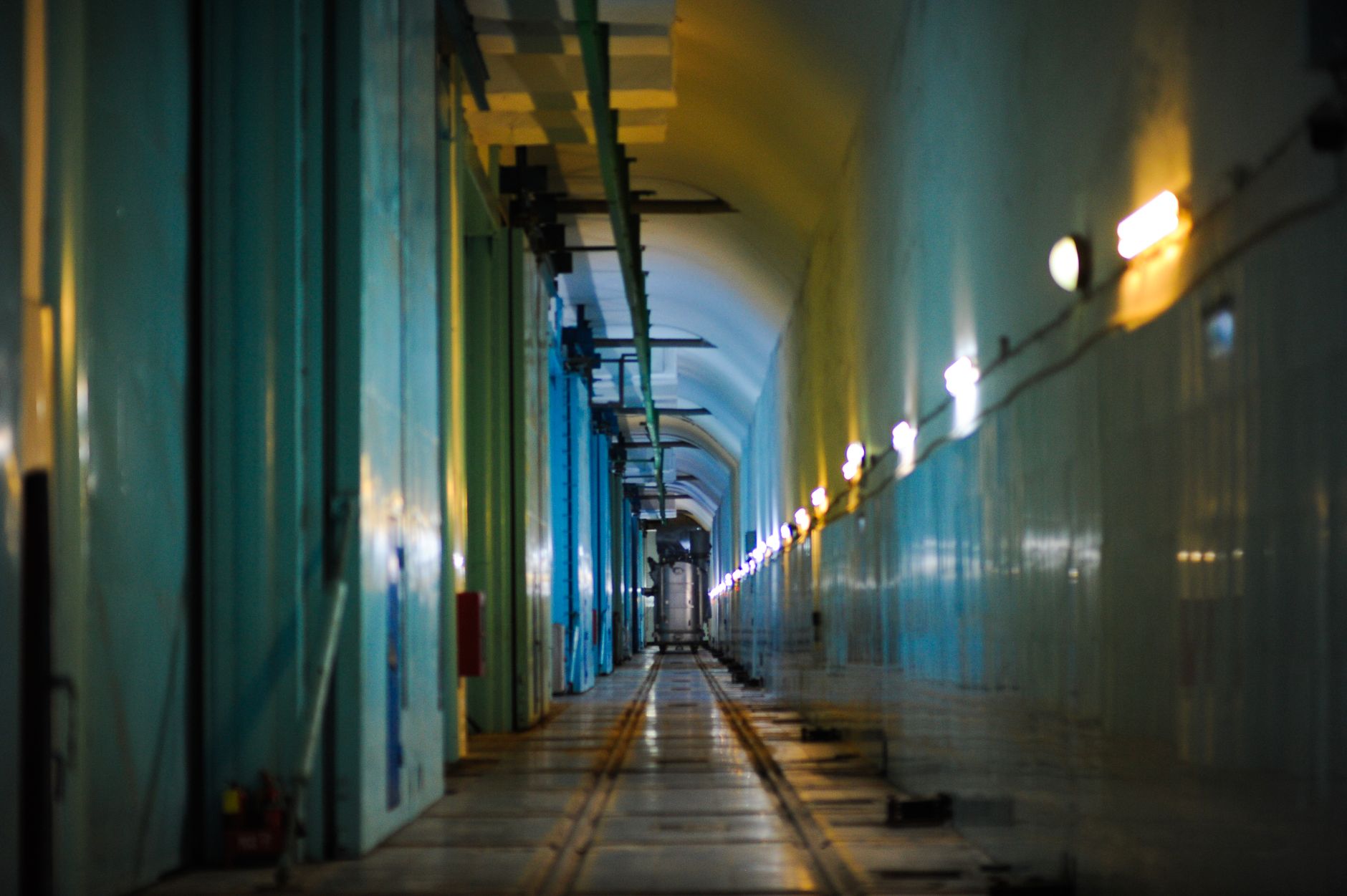
I learned the Bracken walk backward before I learned it forward. That is how the trade goes: you stand at the jack with the new strand paying out over your open hands, and you walk away from it, and the building is a quarter mile of cold brick ahead of you, one lamp every fifty yards, no end to it that you can see from the head. Two men carrying coils have to plan their passing in advance. There is no room in a ropewalk for anything sudden.
The hemp came up through the tops, and you read it with your palms. A dry catch, a wet catch, a strand that wanted to jump its lay — your hands knew a stride before your eyes did, and you corrected without breaking step, because breaking step behind the jack was the one thing Fenn would sack you for on the spot. Old man Fenn, the master. Seventy-one that year, built like his own crank handle, and he ran the crank house with one rule nobody else was permitted to touch.
Friday’s last rope went onto the reel one hand short. An order for twelve fathoms took eleven fathoms and a hand’s breadth, and the breadth stayed at the crank. He initialed each shortfall in a little black book hanging on a nail by the crank house door — 11 fm less a hand, E.F. — then he stood with his palm flat on the stopped crank, eyes shut, a full minute, before he would let anyone speak to him. Paying the keeping, the tar-shed men called it, and they kept their voices down around the words. I filed the whole business under an old man’s cramp that had picked up a liturgy on the way, and thought no more about it, because the dockyard order came in that same week and there was a deal of work and no time for the past.
The dockyard bought from Bracken for one reason, and it stood in the header of every invoice I carried across the yard to the office: No Bracken rope has parted under load since 1901. Seventy-six years, and never once. You will not find a cleverer advertisement than that in the whole north of England, nor a stranger one, but I was nineteen, and it looked like plain good craft to me.
One Hand Short
The winter order was big enough for a second man kept on permanent — stamp, number, pension book. I wanted it with my whole spine.
Fenn let me wind the Friday reel myself. The first time, I ran the length out true to its order, twelve fathoms, and two of his fingers closed on my wrist and stopped the crank dead.
“Not the last hand’s breadth,” he said. “That one’s spoken for.”
I asked him who had booked it. He looked at my hands for a long moment, at the new calluses and the burns off the tar shed, and something behind his face did arithmetic that had nothing to do with fathoms.
“Whoever’s holding the crank,” he said, “when it comes due.”
The tar-shed men found work at the far end of the building. They were good at that, that winter.
The first tug came in October, loading the carrier’s wagon. The crane hook went into a coil of three-inch and took up the slack, and a breath before the rope came taut the load arrived in my palm — the honest weight of that coil coming onto its own line, run up my arm out of nowhere, gone again when the rope took it. I stood rubbing my hand down my coat and told myself the thing the tar-shed men would have told me: rope holds the memory of the hands that made it. Fibers. Everybody knows.
The Tugs
Then they came at night.
A long steady mooring pull, once, that woke me at four with my arm out from under the blanket, holding nothing against nothing. A small patient wear, patient as weather, that I assigned to somebody’s clothesline because there was nothing else in the order book small enough. In November, a sawing shudder that ran from dusk to full dark — someone somewhere cutting a length of Bracken, and my palm carried every stroke of the knife as if the palm were the rope.
I did the arithmetic in the break, over tea, privately, the way you do. Every rope gone out of the walk since Fenn stopped my wrist was reporting to me. Not the old ones from his years.
Mine.
Fenn went thinner through the autumn. By Advent he stood his Friday minute with both hands on the crank, and the minute ran long, and twice I went and took his shoulder, and he came off it the way you come off a wall you had been holding up.
December the ninth was a Friday, last rope of the dockyard order at full twist, the whole walk humming with the tension like a struck string you cannot hear, only carry in your teeth. Fenn went to steady the crank and sat down instead, back against the crank house wall, and slid a little further down it, and the crank began to give.
A rope at full twist with no hand on it runs its own stroke out, and it runs it crooked. Dougie the crank boy stood with his hands over his mouth. I took the crank, and ran the stroke out to its stop, one hand short, and the twist came up through my wrist, and up, and did not stop at my shoulder.
It settled. That is the only word for it. The way a coil comes down onto your shoulder and is shouldered.
The doctor wrote Fenn’s heart on the certificate, and there was nothing in it to argue with. Seventy-one, December, a cold crank house. The tar-shed men stood the walk’s silence that afternoon, all of them, the full quarter mile of it, and then went back to the tar, because the carrier came Monday.
Full Measure
The book still hung on its nail. I took it down the way you take down a dead man’s coat.
Page after page. 9 fm less a hand, E.F. Under his, for the years before, his father’s initials, and under those another man’s, back and back, the paper browning, the shortfall never. And fixed to the inside of the cover, in a copperplate gone brown:
A rope made to its full measure keeps itself, and takes its keeper where it first comes taut. Wind short, and the master holds the difference. The keeping is paid out one hand at a time, and cannot be set down but by a full rope.
I got out the invoices then and read the header again with the book open beside it. No Bracken rope has parted under load since 1901. Not because of the fiber. Not because of the water or the tar or the lay. Because every rope off that walk for seventy-six years has been short by one hand’s breadth, and the difference has been held — the whole accumulated weight of it — in however many palms, one at a time, down the years. In Fenn’s, until December the ninth at full twist. In mine since, arriving one tug at a time, a century’s worth still in the post.
There was a way down out of it, and the book was plain about that too. Wind one rope to its full measure — put the last hand’s breadth on, break the short winding once — and the keeping goes into the rope instead of the man. Then the rope goes out on the carrier’s wagon, and takes its keeper where it first comes taut. A rigger’s wrist at the dockyard, someday, at some ordinary strain. A stranger who never heard of Bracken, and never would.
I’ll be honest. I counted coils over it. Three days I left the order book open at a twelve-fathom line for a barge owner of no importance in the world, with a pen beside it, and on the third day Micky started.
Sixteen. New hands. Walking his first furlong backward with his palms open, jaw set, and the tugs found him inside a month — his hand stopped on a coil one Tuesday for no reason his face could name. So when he wound his first Friday reel out true, I put two fingers on his wrist, the way two fingers had come down on mine, and stopped him one hand short, and heard myself say the hand’s breadth was spoken for.
He didn’t ask twice. Nobody ever does.
The dockyard confirmed the permanent line in January. Stamp and number, like I wanted; the pension book sits where I can see it from the crank house. On Fridays now I stand the minute myself, palm flat on the stopped crank, eyes open — Fenn shut his; I have decided I won’t — while the week’s new ropes come home one hand at a time, and the old weight settles deeper toward the bone of my hand.
In February I went out to my sister’s, two days, past York. The palm carried the mooring pull the whole way there and back, and I came home a day early, and that is all I have to say about leaving.
No Bracken rope has parted under load. Mind the stamp, if you buy one, and mind the man who stops your reel with two fingers. Somebody holds the difference.