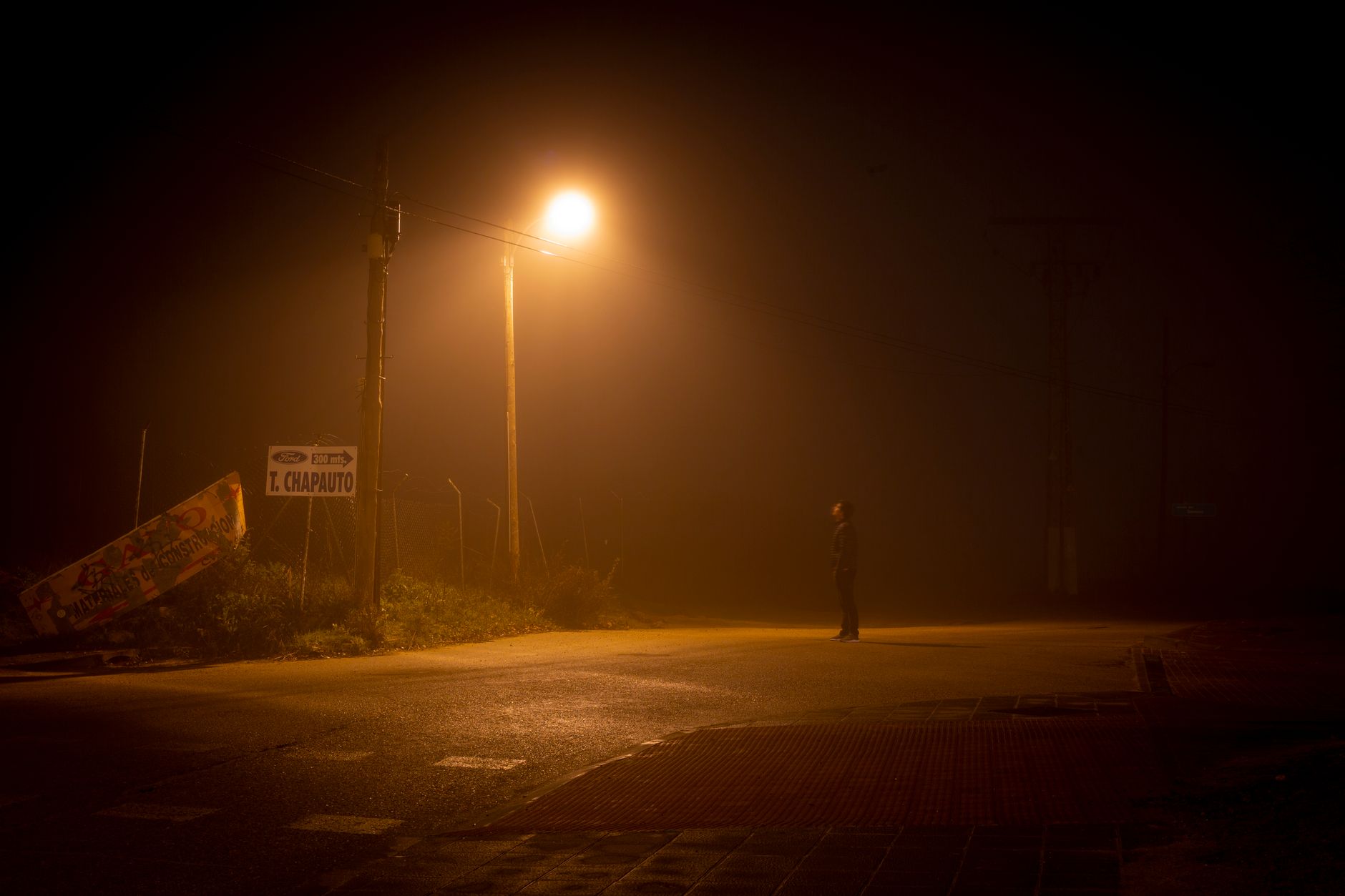
The Tender
The tender document ran to sixty-one pages, and the clause that decided everything sat on page nine: ninety-five percent of visits inside their agreed thirty-minute window, measured quarterly, no exceptions for weather or roadworks or the fact that the roads in question cross four miles of reclaimed marsh. I had been rota coordinator at Mareham & District Home Care for two years by then, promoted off a care round of my own because I was the only one of us who could make the council’s rostering software do what the brochure said. You feed it the visits, the dependencies, the drive times off the mapping layer, and it draws a week that looks like a heartbeat on a monitor.
Haverton Level is the tide-bank drove that links Mareham to the seaward villages — Oxholme, Salhoop, Duncote Ferry, Wrackle Staithe. Dead straight, dead flat, drainage ditches either side deep enough to take a tractor without a splash reaching the road. The mapping layer priced the crossing at twenty-two minutes at care-visit speeds, the same twenty-two either way. On the paper rotas I’d inherited from the last scheduler, and shoved unread into the cupboard under the kettle, every seaward round carried fifteen minutes of blue fountain pen in the margin. Paper people padded everything. That was the whole reason the sector was buying software, so I stripped it — forty-one visits folded back into the same contracted hours, symmetric travel times both ways — and our bid came in eleven percent under the incumbent. In April we won.
In May the missed windows started.
Two Cars, One Quarter Hour
The software flags what it calls exceptions: red for late, amber for early, grouped by carer and day. I ran the report every Monday, and by the third Monday the Mondays were all telling the same story. The misses sat on the legs that finished at the carer’s own front door. Rima’s six-forty medication round at Oxholme: fine going out, red coming back. Colin’s Tuesday double-up in Duncote Ferry: textbook on the way over, twelve minutes gone on the way to his flat by the staithe. End-of-shift drift, I called it. People hurry to work and dawdle home. I wrote it up in a supervision note, worded kindly, and Rima cried in the office kitchen, and I stopped writing things down and started checking instead.
The software keeps GPS pings at ten-second intervals for exactly this argument.
The Friday of the June review gave me a quarter hour with two cars on the Drove at once. Rima driving landward, home to Mareham, her round done. Colin driving seaward, home to Wrackle Staithe, his round done. Same road, opposite directions, 19:10 to 19:40. Her outbound crossing that afternoon had taken the mapped twenty-two minutes. So had his. Her trace home showed thirty-six. His showed thirty-five.
Same twenty-two-minute road. In the same half hour, in both directions, the journey home was the long one.
I checked the grade first, because you would. The Level has no grade — the highest thing between the ditches is the crown of the road, and the surveyors who drained it in the 1840s would have shot a marble from one end to the other. Wind: a still June evening, and both cars had it anyway, whichever way it blew. Traffic: there were two cars, and they were the two cars. I laid the traces side by side on the second monitor and hunted the gaps. No stops. No stretch below care-visit speed. The pings simply arrive later in one direction than the same pings did going the other way, and both traces are right, and they cannot both be right, and the software files the difference as unattributed variance, which is the machine’s way of putting its coat on and leaving.
The Lever-Arch Files
I tried the obvious fix before I believed any of it: fifteen minutes of named contingency on all homeward legs, labelled traffic. The council’s contract monitor queried it inside a fortnight. The drove has no recorded congestion, she wrote, in the tone they teach them. So I pulled the contingency back out and clawed the difference off the outbound legs instead, spreading the visits a shade tighter to protect the window percentages.
The next fortnight the misses turned up on the outbound legs. Four carers. Both directions. No pattern the software could name, and I had stopped calling it drift.
That was the week I finally opened the cupboard under the kettle. Forty years of lever-arch files, E. Tansley in gold on the spines, every seaward round Mrs Tansley had ever built, and in the margin of every single one, blue fountain pen, the same line:
add 15 home
Her predecessor’s hand, further in, older, browner:
add 20 in winter
And in the back of the oldest file, a shorthand I couldn’t fully read, 1970s at least, same instruction wearing different clothes:
add the quarter, home
Nobody, in forty years of margins, had written why.
Mrs Tansley is eighty-four and lives in sheltered housing by the church, eleven minutes’ walk from the office, and I went that evening because some things you do face to face. She had the diary out of the cupboard before I finished the sentence, which told me something in itself. I asked her why fifteen. She looked at me the way you’d look at someone asking why you salt the water.
“Because you need it, on the way back.”
I asked what takes the time, out there. She thought about it properly, which I’ll say for her.
“Nothing takes the time. It’s just longer, coming home. It always has been. You don’t book tight over the Level, love. Nobody ever has.”
Gradient Allowance
You cannot put any of that in a tender response. There is no box on the contract monitor’s form for the road home is fourteen minutes longer for everyone who drives it, whichever way home is, and if there were, the form would come back flagged. What the form has is an engineering vocabulary, and what the fen hasn’t got is a gradient, so I gave it one. Fifteen minutes per homeward crossing, printed in the rota as a standing charge: gradient allowance, Haverton Level crossing.
No auditor has queried it. Auditors don’t drive the Drove. The carers looked at the printed rotas, looked at their own wrists, and said nothing, because the number matched something they’d already stopped mentioning to each other. The window percentages settled in September and the tender survived its first quarterly review.
Rima handed in her notice in July, in the worst fortnight, when the misses were on both legs and I still had nothing to tell her except that the software was under review. She blamed the software. I signed her reference and let the blame sit, because the truth wasn’t fileable and she needed the job more than the truth.
I completed on the cottage at Salhoop in October. The seaward side is the side you can afford on a coordinator’s wage, and the road runs both ways the same for everyone, which is to say it doesn’t, and my own rota line now carries ten homeward crossings a week, each one charged fifteen minutes of gradient that isn’t there. The new hire started this month. I printed her first week’s rounds and wrote the line in the margin where Mrs Tansley used to write it, and she copied it into her notebook without asking, the way I photocopied it without reading, back when the pen was blue and the rounds were mine.