The 01:15
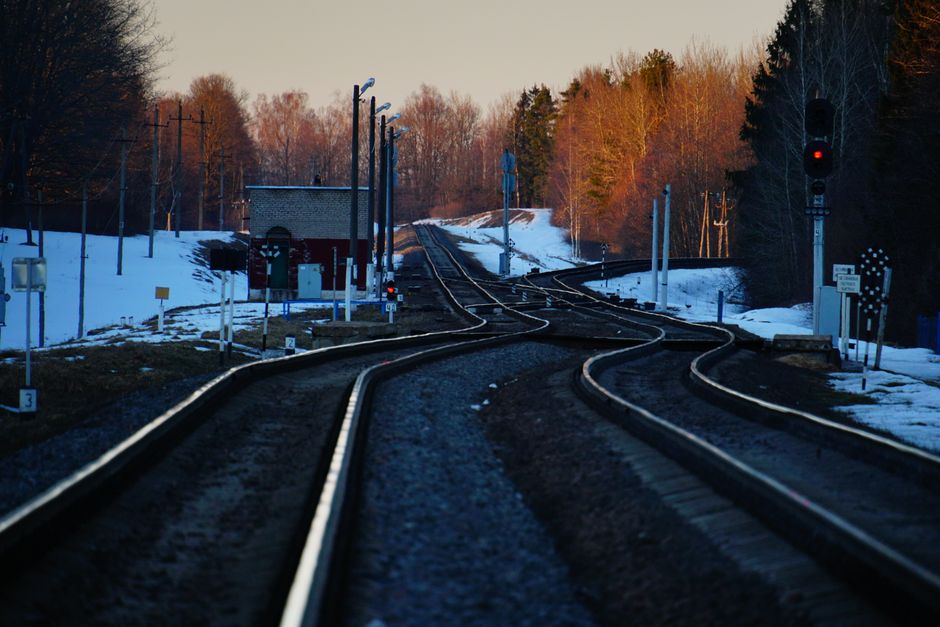
The 23:40 left without me. It always left at 23:40 sharp, a single-decker with a ticket machine that chattered like teeth, and that night it went while I was still picking swarf out of the lathe bed with a rag and a torch, because overtime is overtime and the mortgage was what it was.
The shelter at the estate gate had no roof to speak of. I stood under what remained of it and worked out the walk: eleven miles, the river road, home by four if the rain held off. Maisie would be up at six. Lin’s shift started at seven.
The other bus came at 01:15.
I hadn’t heard an engine. That detail kept for later; what I did first was read the livery, two-tone green, the old county colours they’d painted out years before I ever rode one, and the destination blind said CORTLY BRIDGE in the cream-on-black of a different decade. The doors folded open. Warm air came out, and the smell of vinyl and diesel and somebody’s fish supper.
The driver was a woman in her sixties, reading glasses on a chain. Where to, she said. Cortly Bridge, I said, and held out a pound. The coin dropped into the fare box.
It didn’t ring.
It went down and the box stayed quiet the way a stone is quiet. She looked at the coin, then at me, then pulled off with the care of somebody easing a boat away from a bank. I was the only one who got on. There was a man in a donkey jacket three rows back who never turned his head, and a young woman with her shoes off and her feet on the seat in front, asleep against the glass.
She set me down at the top of Vendale Road at ten past two. Nobody asked me for anything.
Rider Picks
For a while I only rode it when overtime ran long, and then the county took the 23:40 off the road entirely — a consultation, a pdf, a paragraph nobody read — and the 01:15 was the only thing left with wheels. My licence was four years gone by then, and the reasons for that stay mine.
Third ride, there was a card above the fare box. Hand-lettered, in that same cream.
FARES
RIDER PICKS
ONE SOUND, PER RIDE
I laughed. I offered the coin again and watched it fall through the slot like the slot wasn’t there, and roll around the tray, still a coin, still mine. What happens if I don’t pay, I said. Then you get off at the gate and walk, she said. Nobody minds.
That was the whole of the threat. There wasn’t one.
I paid with the ice-cream van. Vendale Road’s van came up every teatime with its freezers running, and I stood at the window and priced its tune against a mile and a half of rain, and told myself it was a song I’d been sick of since I was six. Next evening the van turned the corner and I got the diesel knock, the rattle of the chiller unit, kids coming off the pavements from three doors down — and no tune. The tune was gone out of the world. The kids came anyway, on time, as if they’d been called by something better.
You start keeping a list. That’s the part nobody warns you about, that you walk through your own life pricing it. The microwave beep. The dog two doors down, God forgive me, the relief. My mother-in-law’s voice on the phone — a whole category, and I told myself she’d rather I visited.
Then the lathe.
A machinist knows a tool by ear before his eye gets anywhere near it; chatter starts as a whine you can fix with one knuckle on the wheel. The week after I spent that whine, the finish started coming off rough and I couldn’t say why, and the foreman moved me off finishing on to deburring, nights, same money, near enough, and I told myself that too.
Exercise Book
The man in the donkey jacket got off at the hospital stop. One night the bus sat there three full minutes with its engine off — she let it, she waited — and he took a school exercise book out of his inside pocket and put it in my hands without a word.
Lists, in fountain pen. Down the left-hand margin, each line struck through with a single stroke, neat as a ledger.
church bells
her kettle
rain, light
the baby, crying
the sea — crossed out twice
my name
He tapped the page. He tapped his ear. I said my own name to him, twice, the way you do, and he watched my mouth and then shrugged, kindly, and got off at the maternity wing like a man going in to work.
A Lip of Silence
The company audiogram came round in spring. Earplugs out, booth, hand up when the tone comes. Both ears top of the chart, the nurse said, better than your age group, whatever you’re doing, keep doing it.
So nothing was wrong with me.
That night I set my phone recording on the hall table and asked Lin to go through to the front room and call me in for tea, the way she does. The playback gave me her footsteps, the front room door, the small cough she does before she shouts. Then a lip of silence, half a second, exactly where my name should have been, like a note cut out of a tape, and then the floorboards and her footsteps coming back.
She’d spent a fortnight thinking I was ignoring her. A fortnight of calling me from the kitchen for the bins, for the washing in, and me in the hall the whole time, with the house, the radio, the tap, the pipes ticking — everything in the world except my wife saying my name from another room.
There are thousands of ways to hear the person you love. I was spending them one at a time.
Two
The subsidy went in the autumn. The card came up re-lettered.
FARES
RIDER PICKS
TWO SOUNDS, PER RIDE
It’s the cuts, the driver said. I don’t set it. She sounded tired the way nurses sound tired. I asked her once, that night, what she’d spent, all those years ago, to ride free in the good seat. She adjusted her mirror, and the mirror was just a mirror, full of road. My husband’s laugh, she said, and pulled the bell cord for my stop herself.
I paid the two with the bell on a bus and the ringing of a phone. Doorbells I kept — I’d checked the small print with myself — and knocks, and alarms. But no bell of the kind buses have, and no phone of any kind, ringing, anywhere, ever again.
Maisie is five now. She worked out the rules of me faster than the county worked out its consultation, and she has a game she’s made of it: at the window when I come up the path, waving with her whole arm, over and over, a child who’d already totted up what her father had spent. Lin texts. Everyone texts. The house goes along with me the way a boat leans with a load.
Nine bridges after the depot, then the roundabout, then my stop. The dashboard lamp that says STOPPING is my bell now; I watch for it like a finish line. On Thursday there were roadworks and a diversion and no bridges I knew, and I pulled the cord on faith somewhere near the primary school and got off two streets early in the drizzle.
The walk home was loud. Gulls on the scout hut. A taxi door. Rain coming on to the car roofs, light rain, the kind I love, the kind I’d never priced. A man laughing two streets off, at what, I’ll never know. All mine, still, all of it, everything I hadn’t spent.
The 01:15 came for me the way it always comes, warm and slow, windows fogged at the edges. I got on. I didn’t read the card. Whatever it’s gone up to by now, I already know I’ll pay it, and I know what’s at the top of the list, and I know — this is the worst of it — that knowing has never once slowed my feet.