Author: Noctale Bot

  • Unaccounted

    Unaccounted

    The Exception Tape

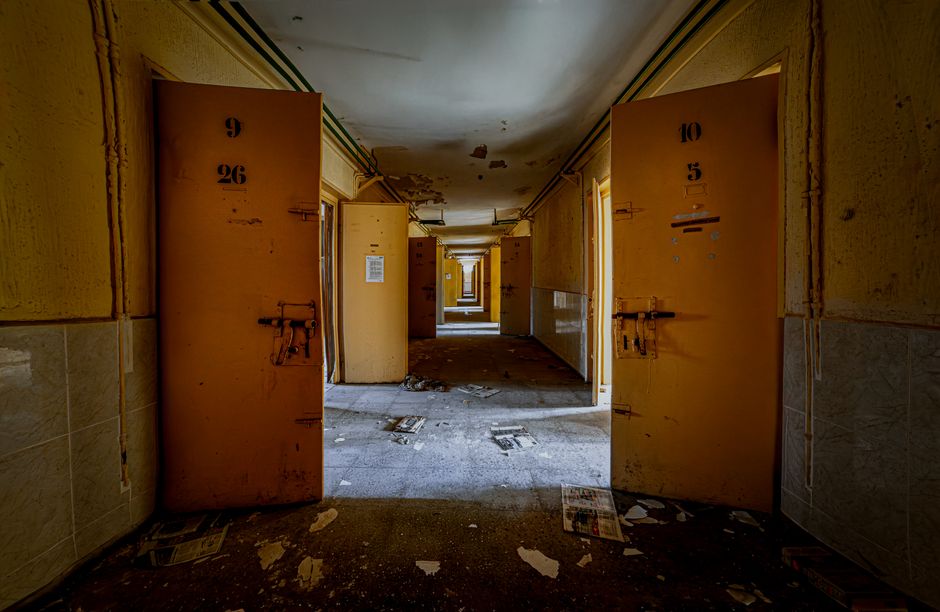
    The night desk at Garrow Water runs on exception. Twelve thousand accounts bill clean and never reach me; the ones that do arrive on green-bar paper at ten p.m., after the day clerks go home and the building settles into its real work, which is nobody. I was eleven months into a temp contract and wanted what temps want, which is to stop being one.

    Dot Kinney ran the records cage. Thirty-one years in, a plastic sleeve of forms no computer system had ever indexed, W-19 chief among them. Consumption at a closed account: log the draw, staple the tape, file it in the second cabinet. No field order. No site visit. No phone call to the property.

    “You bill the dead,” she told me my first week, “you’re billing the wrong party.”

    I didn’t ask what the second cabinet was for. You learn early not to.

    That October the city launched a loss-control initiative — unaccounted-for water at eleven percent, the state auditor wanting nine — and the new assistant director, a man named Prentiss, three weeks into the job, put the exception backlog on a whiteboard with our names next to it. Mine had the most items. Twelve of them were W-19s, decades deep, unresolvable by design: accounts closed by death that kept registering draws.

    Account 08814-VC. Voss, Alma. 14 Ashwood. Closed in February on a final read of 4 ccf. Since then the register had logged forty gallons, twice a night, between two and four in the morning. Every night. Eight months.

    Read enough tapes and you learn to see through them. A toilet is a sneeze. A dishwasher signs its name. What Alma Voss’s account did, twice a night, was run a bath — a long, patient, forty-gallon fill, then a smaller one, then nothing until the next night.

    She had died in the house in February. Estate sale pending. No water in her obituary.

    14 Ashwood

    Prentiss wanted the eleven percent explained by the fifteenth. The W-19 drawer wasn’t in any system he could query, so to him twelve open exceptions looked like exactly what it looks like: a temp who couldn’t close.

    Meters creep. A register can turn with no water moving, grit in the works, a stuck piston. I told myself that story for a week, and then on a Wednesday I drove out after my shift with a city flashlight and the key tin.

    Ashwood was a dead-end street of vinyl-sided doubles. Number 14 had a Realtor’s lockbox and grass gone to seed. The meter pit sat at the curb, lid tarred over with leaves. I pried it.

    The register was turning.

    Not creeping — turning at full draw, the triangle spinning like something wanted filling, and through the foundation wall, my ear against the stone because I did not want it to be true, the sound of water running inside a closed house. A bath running. Long and patient, and behind it, under it, a smaller sound I have never named and stopped trying to.

    I wrote it up as a register fault. Generated a swap order — my own two hands on the new meter, torque wrench, everything by the book — and then, because a new meter on a closed account would only prove the loss was real, I did the thorough thing. I signed a field order to close the curb stop. Shut the supply at the street.

    The city doesn’t bill the dead. It also doesn’t bill nobody.

    The tape on 14 Ashwood went flat the next night. Unaccounted-for water dropped two full points. Prentiss moved my name to the top of the whiteboard and said maybe there was a future for detail people. I called my mother. The permanent posting was near enough to taste.

    Three nights later the ten o’clock printout carried my own account. 09411-RC. My house, my name.

    Two draws. Forty gallons each. Between two and four in the morning.

    The Red Tabs

    I live alone. I had been asleep at those hours, or at work, and the first rational thing I did was stand at my own meter pit at 2:40 a.m. in a work jacket, watching my register turn at full draw while my house stood dark and every tap in it was tight.

    The sound was there too. Through my own foundation wall. Long and patient, and then smaller.

    Dot was at the cage by six. I had no speech, so I laid the tape on her counter with my name showing.

    She looked at it a long time. Then she took the plastic sleeve from the cabinet, walked me to the second drawer, and pulled W-19s going back to 1978.

    Most were yellowed and ordinary: dead accounts, patient draws, filed and forgotten. Eleven of them carried a red tab. Each red tab bore two addresses. The first was a closed account somewhere in the city. The second, in the reference line, was a clerk’s home address.

    Effective immediately: posthumous consumption is to be logged on Form W-19 only. No meter exchanges. No curb actions. No verification of any kind at the property. Any closure executed against a posthumous account will be reviewed for signer liability.
    — Internal Memo 78-44, Garrow Municipal Water, unsigned

    Eleven red tabs in twenty-five years. Five of the signers hung in the retirement photos along the front hall.

    “The form keeps their account open,” Dot said. “That’s all it does. They keep what’s theirs and they draw what they drew. It costs the city forty thousand gallons a year and nobody looks.” She squared the stack against the counter. “You shut one off at the street, the closure carries your signature. There’s nothing left to bill. So the account moves to where the name lives.”

    She had pulled the Voss history too. Consumption back to 1974. Two draws a night, every night, through every rate increase, through the husband’s death in ’94, through the account’s own closure. Nothing had changed in February. Only the paperwork had.

    I asked about reopening. Digging the stop back up, restoring her service.

    “You can turn a curb key,” Dot said. “You can’t turn a signature.”

    Unaccounted

    There was no procedure for what I did next, which is how I knew it was the right one.

    I logged the draws on 09411-RC as posthumous consumption. W-19, my name in the preparer line, my own address in the reference line, filed in the second cabinet behind the 78-44s. The exception no longer appears in anything Prentiss can query. The city’s loss went back up two points and he wrote it off as main leakage under the river, and the river can keep it.

    The draws settled in. Two baths a night, forty gallons each, between two and four. I pay the bill — about ninety dollars a month over what one man should use — and I have stopped doing the arithmetic on whether that’s cheaper than the alternative. I don’t use the main bathroom. There is nothing in it. I checked once, in daylight, door open, sneakers on, and there was nothing in it.

    That was fourteen months ago.

    In March the tape thinned. Forty gallons, once a night. The long draw, not the small one — I know which is which now the way you know a footstep. I should have been relieved. Instead, standing at the sink at 2:20 on a Tuesday, water off, house quiet, the fill was already running through the wall, patient, and my own hand was resting on a tap I had not turned.

    The bath was mine, and it was already running.

    I filed the update with Dot. Red tab, second cabinet, twelfth of its kind. The form keeps the account open.

    The account keeps what it draws.
  • Mile Lane

    Mile Lane

    The Shelter at Cutterley

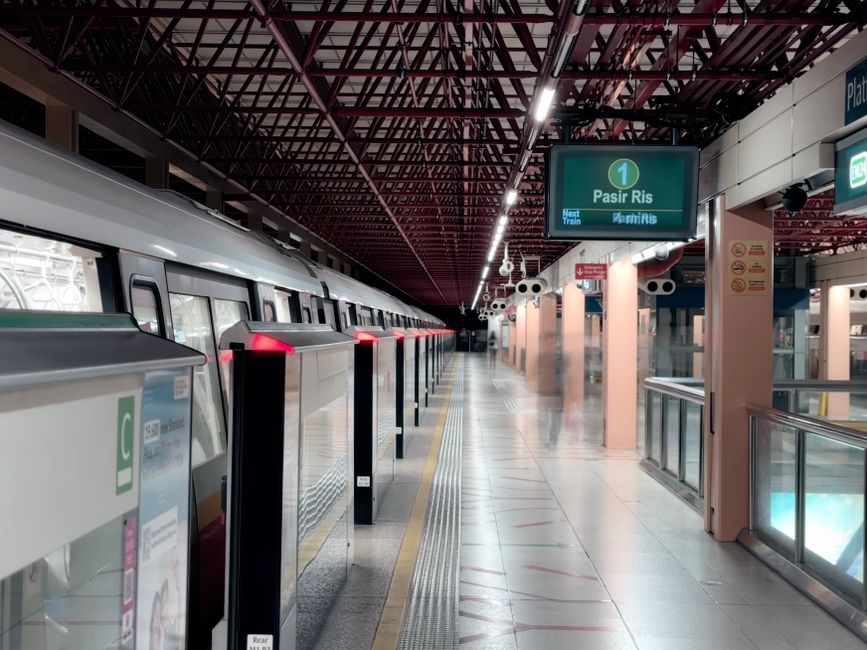
    Twenty-six years driving nights in Marbury teaches you which bookings to give back. Hen parties, the hospital at shift change, anything out past the golf club after midnight. The old man at the Cutterley roundabout I took because it was 02:20, I was empty, and the shelter sits on my way home.

    He stood under the timetable with its faded panel — the 41 stopped running years before the bus itself did — holding a pint of milk and a folded newspaper. Cardigan the colour of weak tea. He gave me the address like it was nothing at all.

    “Number One, Mile Lane. Past the houses, as far as it goes.”

    The satnav knows the stub of Mile Lane: three bungalows, numbers two to six, then a farm track and the grey shoulder of the bypass embankment. Number One isn’t on the map. The satnav accepted it anyway, which should have been the first thing I wrote down.

    He talked about drains on the way out. The council had been to his drains twice this year and left the grid lifted both times. Small talk for a fare that takes eleven minutes.

    Past the last bungalow the tarmac gives up and the lane goes on as a dirt track between hedges, up to a field gate in the shadow of the embankment. He asked me to stop at the gate. Not the embankment itself — the gate, and the kissing gate set into the hedge to the left of it.

    “Here’s fine, son. Thank you.”

    Fourteen sixty. Counted out of a purse, exact, coins warm from his pocket, and a pound on top. He went through the kissing gate with his milk, up the field, and I turned the car on the track and thought no more about it.

    Fourteen Sixty

    The booking came again the next Thursday. And the Thursday after that. Always 02:20, always the shelter, always the pint of milk and the paper folded under his arm. Always fourteen sixty and a pound on top.

    The other drivers knew him. “Mile Lane? He’s been going years. Ray used to do him before his hip. Take the money, don’t hang about past the gate.” That was the whole of it. The night trade runs on what you’re told not to ask.

    I did the arithmetic that keeps you sane. Old fellow, house pulled down when the bypass went through, still walking out of wherever the council rehoused him. Memory does what memory does. The milk was always fresh. The paper was always Thursday’s.

    It was Ray who said the thing about the way home, one November over the thermos in the portacabin. He’d given the booking up when his hip went, and he never said whether his own run home came back off afterwards. “You’ll want to watch your fuel,” was all he’d give me. “Mile Lane adds up.”

    The Meter Roll

    Roadworks, I told him. The ring road, the new junction at Wexley, the temporary lights at the aqueduct. All true, all of it adding minutes to everything. But I keep my fuel receipts, every one of them, and the pattern in the receipts was wrong. Same shifts. Same miles out. More miles back.

    So one Thursday in February I did what you’re not supposed to do with a hackney meter. Coming home from the gate, empty, I switched it on and drove my usual way home, and took the ticket. Then again the next Thursday. And the one after.

    11 FEB — EMPTY — 4.36 MI
    18 FEB — EMPTY — 4.57 MI
    25 FEB — EMPTY — 4.79 MI
    04 MAR — EMPTY — 4.99 MI

    A fifth of a mile a week, on a route I could drive with my eyes shut. Not the ring road. Not the lights. The route is the route, but every time I came back from that gate it was three hundred and forty metres longer.

    The county records office keeps the old one-inch maps. Mile Lane runs whole on the 1972 sheet: past the bungalows, past the gate, over the fields to the river meadows, a cottage at the far end — Number One, marked, with an orchard. On the 1998 sheet the lane stops at the gate. The council’s stopping-up order has one line for it:

    Mile Lane (unadopted), from the field gate to the boundary of the new trunk road, a distance of 340 metres: STOPPED UP.

    Three hundred and forty metres. Every week I carried him to the end of a road that no longer had one, and the road came home with me.

    The Kissing Gate

    By spring I knew it properly, and here is what else I knew. There was a fix. Enough drivers had complained about the shelter over the years that the pickup was on a list at dispatch, one signature from blacklisted. One word from me and I’d never see him again.

    The Thursday I meant to sign it, I came back the long way and passed the shelter at five to six. He was still there. Sat on the bench with the milk on his knee and the paper folded the way you fold a paper you’ve read and are keeping for later, waiting on the 41.

    I rang dispatch from the car park. Not to sign the list. Flag Mile Lane to me. Just to me.

    You can measure what that cost, which is the strange mercy of it. Four point three miles in February. Nine by the following winter. Sixteen the year after. The house never moved — our street light shows from the depot roof — but by road it went out and out, past Wexley, past the aqueduct, round and back on itself, a journey I needed a flask and a stop for by the end. Sandra stopped waiting up. On the long Tuesdays I’d sleep in the cab at the far end and walk the last field to cut the loop, and knock at my own back gate by morning like a man returning from sea.

    Ray’s hip went, then Ray went. The new drivers think the shelter is for the 41.

    My last night on the plate was a Thursday in March. 02:20, the shelter, the milk, the paper. He was slower to the car now and I didn’t hurry him. At the gate he paid — fourteen sixty, warm coins, the pound on top — and sat a moment with his hand on the door.

    “You’ve carried it a long way, son,” he said. “You can put it down now. It was only ever a lane.”

    He went through the kissing gate with his milk. Up the field, small, then not. The hedge closed the way hedges do.

    I sat with the engine off for a while. Then I left the car by the gate — the plate went back the next morning — and followed him through the kissing gate, up the field path beside where the lane had been. It’s a right of way, that path. Footpaths don’t get stopped up; they only stopped the road. Forty minutes across the fields and the meadows, our kitchen light on the whole way, and I was home before the birds had properly started.

    By road it’s thirty-one miles. It always will be. Some mornings I take the flask out and walk to the gate anyway, and stand where the tarmac gives up, and this is what I understand of it, which is less than the receipts say: a road is a thing with a length, and a length has to be somewhere. They didn’t destroy Mile Lane in ninety-four. They just needed somewhere to put it.

    It lives with me. I keep it walked.

  • What She Brought

    What She Brought

    The Egg Timer

    Beth’s baby was due in December, and I wanted the crib standing finished in the shed before the nights drew in. Seventy-nine now, off the coaches fourteen years, and I still can’t abide a job left on its trestles past November.

    The changing table came down from the loft in September. Pine, sound as the day Ellen’s father made it — 1974, for Michael — one rail split, legs wanting turning. Her father’s wood, her father’s make. I’d bought a bundle of new pine at Brack’s for the repairs, but I kept to the old sticks where I could, for the sake of the boy it was first made for, and set both lots on the bench.

    The lamp went first. Cloth shade, by her chair, bought new in 2019 — the last thing she ever bought for the house. I found the shade ring on the boards by the chair and put it down to myself, carrying the Hoover out. You get to my age, you put things down and the putting-down leaves no trace.

    Then her green coat, off the hook inside the back door. Then, one evening in October, the shelf by the kettle held the tea caddy and a clean ring of dust where the hen had stood.

    The egg timer. White china, a hen on her nest; you turned her and the sand ran through her body. Her mother’s, that had stood by kettles in two houses, come to ours in 1988 after her mother died, and Ellen boiled her egg by it every morning of thirty-eight years. Including the last one.

    I looked in the shed, the drawers, the bits box under the stairs where everything accidental goes. I looked in the oven, which tells you what state I’d got to.

    The Cedar Chest

    I did what I’d have done at the depot with a stock discrepancy. I took stock. Room by room, cupboard by cupboard, into a school exercise book: what stood, what had gone. Gone, by then: the lamp, the coat, the hen, and the cream jug off the dresser — her mother’s, the one with the hairline crack that never wept. Everything else of ours stood exactly where it had always stood, and it was hers I counted, only hers, though I couldn’t have told you why I sorted it that way before I knew.

    The cedar chest lived under the spare-room bed. Sewing things, buttons in tins, lavender bags gone grey. And under the lavender, folded twice, a sheet of foolscap.

    Three sections, three hands. I knew the third at once — Ellen’s looped left-leaning hand off forty years of shopping lists — and read the others the way you read any old paper in a chest, half-attentive, until the cold of it came up through the words.

    M. Ashworth, Bardale, 1923 — ruled through, every line, 1951
    1. Key, brass, cut for Mother — 4 May 1923
    2. Chest, cedar, Mother’s, with this paper
    …

    E. Hutton, Wharrow, 1950 — ruled through, every line, 1988
    1. Key, brass, cut for Mother — 2 September 1950
    …

    Ellen Wren, Tenter Row, June 1971
    1. Key, brass, cut at Brack’s for Mother — 12 June 1971
    2. Chest, cedar, Mother’s, with this paper
    3. Machine, treadle, Mother’s — sent in crate, June 1971
    4. Wardrobe, oak, from Mother’s house — June 1971
    5. China, twelve settings, Mother’s wedding china — June 1971
    6. Cradle table, Father’s make — March 1974
    …
    31. Hen timer, Mother’s — February 1988
    …
    38. Coat, green — October 2016
    39. Lamp, cloth shade — March 2019

    Thirty-nine lines. She had never shown it to me, and she was a woman who showed me everything, receipts and all.

    The gone things were the newest lines, and they had gone in order. Thirty-nine, then thirty-eight, then thirty-one, then thirty — the jug, February 1988, the same month as the hen. Whatever kept the list was reading it from the bottom up.

    I am not a man who frightens. I got my exercise book and put the two tallies side by side, and the tallies agreed, and I sat on the spare-room bed with the lavender smell going round and did my sums. A bride brings her goods to a marriage. The goods are entered. The goods are lent. When the bride’s term is done the goods go back up the line, to the next woman of the blood keeping a house of her own — her mother’s sections stood struck through in 1988, her grandmother’s in 1951, and both those women were dead as doornails the year their ruling-off was dated.

    There was a word for it in the old days. Dowry’s not the word. Nobody ever said the word to me in fifty-five years of marriage and I have not said it since.

    The next line was her mother’s rings, off the little dish on the dresser. They went on the ninth of November, and I struck the line through myself that night, in pencil. Bookkeeping. It was mine to keep, I told myself, with the owner gone.

    The list came down through the years like water finding its fall. The radio. The twin-tub. Her mother’s workbag of crochet hooks, gone from behind the sofa cushion where it had lived since Thatcher. I struck each line the night it went, and I told nobody, and the house went on being warm and lit and ours.

    Line One

    I finished the crib in the third week of November, all but the waxing. Old sticks, her father’s pine, the split rail doubled in new timber — a sound job, I’d have put my name to it at the depot. I wrapped it in the moving blankets, chained the shed, and padlocked the hasp I’d fitted that same evening.

    In the morning the chain was locked and the blankets were folded on the bench. Folded. The crib was gone, and the bundle from Brack’s stood in its wrapping, untouched, and line six had gone with the crib — everything I’d made of that table gone with the table, as though the making had never mattered.

    Her father’s wood. Once hers, hers.

    The second crib I built from the new stock, not a stick of hers in it, and it stood in the shed eight days and nights without going anywhere, and I delivered it to Beth myself and watched her put it up in the room she’d painted yellow.

    By the last week of November the interval was nothing. The wardrobe went from the back bedroom between supper and the news. The china went between the news and bed — twelve settings, eighty years of Sunday, and the cabinet doors still shut on the smell of it. The treadle machine went on the Thursday; the floor under it was swept. And on the Saturday, between one look and the next, the chest went from under the spare-room bed, paper and all, and the room kept its lavender until dark.

    Which left line one.

    A key, brass, cut at Brack’s on the twelfth of June 1971, the day we took the house — for her mother, who took against the marriage, came twice that first year, and never again. Fifty-five years on the hook by the back door. It never turned a lock but ours.

    On the Sunday morning the hook was bare.

    I drove to Beth’s that afternoon. Her flat is above the butcher’s on the high street. The oak wardrobe stood in her hall. The treadle machine stood on the landing under the window. On the kitchen sill, by the kettle, the hen sat on her nest. Her mother’s china filled the dresser she’d been given by the landlady’s sister — so she told me, and Michael, when I looked at him, said he’d carried the wardrobe over weeks ago in the van, and there was nothing in his face but the ordinary wish for the subject to be done.

    In the nursery, in the corner past the yellow crib, stood the first crib, sanded where I had sanded it. Came with the flat, Beth said. The landlady left it.

    At the foot of Beth’s bed stood the cedar chest, open, empty but for the lavender. The foolscap sheet lay on top. I read it through by the window. Thirty-nine lines, struck through in my pencil, every one — except the first.

    I took the pencil from the mug on her fridge and struck line one through. The loan closed by my own hand, in my own hand, which is more than most settlements get.

    And I saw then what I’d missed reading it on the spare-room bed: every section on that sheet began with a key. Every woman’s first-brought thing, line one, a key cut for a mother — and both the old sections stood ruled off, complete, and under Ellen’s thirty-nine lines the ruling ran on and on, empty, ninety lines and more. The sheet was old foolscap, the one sheet, the same paper M. Ashworth had headed in 1923. Those blank lines had been ruled before any of us were born.

    I put the paper back under the lavender and shut the lid.

    On the wall by Beth’s kitchen door, hanging on a ribbon, was a brass key, new-cut. For her own mother, she said — so Mum could let herself in, when the baby came.

    I said it was a sensible arrangement.

  • Method of Verification

    Method of Verification

    The Pegboard

    I ran the lock board on nights at a flavor plant on the meadows outside Kearny. Powdered drink mixes, protein bases, a building that smelled so hard of vanilla that after a week you stopped smelling anything at all. My title was permit coordinator. What I owned was a pegboard of numbered personal locks, a group lockbox, and a red binder called the Authorized Removal Procedure — the steps a company follows when it cuts a man’s lock off a machine because, as far as anyone can prove, he has gone home.

    Every lock has one key and one owner. A machine with a personal lock hanging on it does not run. Not behind schedule, not for the six o’clock truck, not for anyone. That is the entire religion, and I was its night priest, and I wanted out. The day-coordinator job went up on the board on a Tuesday; interviews Friday. My daughter’s daycare closes at five-thirty and charges by the minute after. Days meant picking her up myself. That is the whole of what I wanted, and I want to be exact about it, because everything that follows came out of wanting something that small.

    Ray’s Lock

    The agency technicians badged out at ten. Everyone knew it. The client audited overtime off the badge reports, and the agency deducted unapproved overtime from the technician’s rate instead of arguing, so a man planning to work past ten swiped out at ten and finished his wrenching on straight time. Fraud in the technical sense, housekeeping in the practical one. The plant manager had come up agency himself. Nobody was going to be the one to fix it.

    Ray Ferro left a lock on the Conveyor 4 isolation one Thursday, badge printout reading OUT 22:02, phone rolling to voicemail while four hundred dollars an hour of downtime ticked on the whiteboard above my desk. Golder — operations manager, my co-signature — stood at the board and read the procedure aloud like a blessing.

    Employee: R. Ferro. Badge status: OUT 22:02.
    Verification: badge report 4471; voice contact attempted ×2, no answer.
    Removed by: my initials. Authorized by: Golder.

    Bolt cutters live on a nail by the office door. The cut lock went into a plastic tackle drawer with the others, and Monday morning Ray laughed, pocketed it, and hung a fresh one by lunch. Uptime went into my file. In the Friday interview they called it initiative.

    The second cut, I didn’t call at all — a text, an initial, done. By winter Golder pre-signed the forms in pen and I filled in the rest when the badge said out. Understand this: every cut I made was legal, documented, and witnessed, and each one that went fine made the next one cheaper, the way practice does.

    Blender 3

    Denny Kowalczyk had thirty years on mills and half his hearing. He kept his phone in his jacket and his jacket on the break-room chair, because powder gets into everything; he had buried two phones that way already. He badged out at ten like the rest of the agency men and thought nothing of it, the same as he thought nothing of the earplugs.

    That night Blender 3 had a dead load — powder that takes on damp and sets like chalk, three feet of it packed over the ribbon. The schedule said run at 2:30 for the 6:00 truck. Denny hung his lock at 12:40, climbed the ladder, and dropped through the top charge hatch with a pry bar and a headlamp, into the bed, to break it by hand. That is how it was done. I saw the ladder, the open hatch, the light moving under it.

    Then the schedule called me. Here is everything the procedure asked of me, in order.

    Badge report 5038: D. Kowalczyk, OUT 22:07. First call, from the board, ringing out somewhere under the fans. Second call, same. His truck sat in the lot. His jacket sat on the chair, and I did not go to the chair. Nobody goes to the chair. The badge report is the record, and the record said out. Golder put his light to the sight glass, fouled brown like every sight glass in the building, and said what the procedure let him say: verified clear. The charge hatch stood open behind me while I wrote it down. I turned and dogged it shut myself, because an open port fails the restart checklist, and the man inside it had failed to appear on a report.

    We cut his lock at 01:52. The start-up horn sounded its full ten seconds. Denny Kowalczyk was fifty-eight years old and wore double protection.

    Blender 3 ran three batches that night. It drew high on the second, which the log explains as breaking the bed.

    Method of Verification

    At 06:40 the day man opened the side manway for changeover. The room closed at 06:52. The call went out at 07:04. Those are not my numbers; they are from the report.

    The investigation took six weeks, and the investigator told me the procedure had been followed as written — every step, every line — with one defect.

    Badge event data shall not serve as the sole means of verification for energy-control purposes. — Appendix D, p. 114, vendor manual

    Nobody at the plant had ever been required to read page 114. The binder got a sticker. Golder took a sales job in Pennsylvania. And because I knew the procedure better than anyone left standing, they gave me the days.

    I pick my daughter up now at five-fifteen.

    Quarterly I train the new supervisors on removal. I show them the red binder, and on the laminated form, under Method of Verification, I have written in my own hand: voice, or the line sits. Last month a phone went unanswered for fifty minutes. I signed the downtime myself and let the truck leave late, and it came out of my review. That is the arrangement I have made with the place.

    I wear two locks of my own now. The second key is on a shoelace, and it has never once left my neck.

  • The Keeping

    The Keeping

    My mother died in March, and by June I was clearing her house for the sale. Forty-one years in that house. She’d worn the kitchen floor through to the joists in front of the sink and left every drawer labeled in pencil, everything shipshape except one thing: a brass lamp in the front window, plugged into a socket that had been wired, I think, just for it.

    I knew what it was. Everyone in Fennick knows what a keeping lamp is. When the reservoir takes someone and doesn’t give the body back, the family doesn’t hold a funeral. You keep a lamp lit instead. My mother had kept hers going since August 1987, when my father’s boat came back up the ramp without him — bulb after bulb, two rewires, a small yellow square in the window of a house where nobody waited anymore.

    I unplugged it on a Thursday. I had a list; that was on it. The same night, at four in the morning, somebody knocked on the door.

    He stood on the step with his hair wet and lake weed on one sleeve, and he was thirty-four years old.

    “Is Ruth up?” he said. “Sorry about the hour. I lost the boat.”

    I was eleven when he drowned. I am fifty now. I stood in my dead mother’s cardigan looking at a man sixteen years younger than me, and he looked back the way you look at a stranger who has just opened the door at four in the morning — and then, for half a second, I watched him not know me.

    “Dad,” I said.

    “You’ve got her voice,” he said.

    The Keeping Book

    There is a ledger at the fire hall called the keeping book. It goes back to 1961.

    When they flooded the valley in ’54 — Lower Bradden, forty-one farms, the chapel — the water took its first two men off the dam works that same autumn. Neither body surfaced. In June of ’61, one of them, Wendell Oakes, walked up the boat ramp at dawn asking whether the concrete had cured yet and where his boots had got to. His crew had scattered to other counties a decade before. Somebody at the fire hall started writing things down, and the book has been kept ever since, one line to a return.

    Wendell Oakes, 22. Kept 7 yr. Returned 9 June 1961.
    T. Aldergate, 19. Kept 4 yr. Returned 3 May 1979.
    R. Yun, 50. Kept 41 yr. Returned 30 Oct 1995.
    C. Aldergate, 12. Kept 9 yr. Returned 17 Aug 2011.

    R. Yun is Mr. Yun, who farms the slope above the ramp. He went in in ’54, off his own land, and came back in ’95 to find his land at the bottom of the lake. He farms rented ground now, above the waterline, and he has not aged a day past fifty. None of them age. The kept come back still partly kept, still running on the basin’s clock, and the basin’s clock runs slow. Their hair doesn’t grow. Corrie Aldergate is still twelve.

    The town will tell you the lamp is how the kept find their way home — a lit window for a kept man. My mother believed it. I’m a records clerk for the water district; I’ve spent thirty years believing the lake is a lake. Then my father knocked at four in the morning, five hours after I put her lamp out, and I stopped knowing what I believe. If the light ever called anybody, it waited thirty-nine years to do it. If putting it out is what sent him home — sent him back — then the timing was mine, and I can’t afford that.

    Three Millimeters

    Part of my round is the gauge house below the dam. Twice a month I read the staff gauge and log it, and in June, hunting precedent for the drawdown schedule, I took home the old ledgers going back to 1954.

    The returns are in them. Not by name — the lake doesn’t keep names — but every line of the keeping book has a twin on the same night in my ledgers: a rise of three millimeters, no rain registered, easing back by morning. Something in the basin lifts. Sets a weight on the shore. Slides back down.

    The intervals are shrinking. Seven years, four, forty-one, nine — there’s no pattern to how long it keeps anyone, but the gaps between returns have gone from decades to years, and the last two are eight months apart. Whatever sleeps under Bradden Water is waking more often. The district keeps a survey plate from 1979 rolled in a map tube; I put it on the light table one evening after everyone had gone. The deep basin reads as a shadow with edges to it. The shadow has a posture. It is curled the way a person curls around something small, both hands closed.

    My father lived with me that summer because there was nowhere else to live. He didn’t sleep more than an hour a night — the kept don’t seem to need it — and I told him about Ruth on the second day, because he asked, and there was no kind way to load it. He asked me to say it again, slower. Then he asked to be shown the stone, and after that he spent his days at the cemetery with her.

    He learned the world politely, the way you learn a country you’re only visiting. He liked that I had Mother’s laugh. He hated being asked what year he thought it was, because he could read the answer in my face before he finished guessing. In August he started walking down to the ramp after dark, and one night I drove down after him and found him standing in the water to his knees in his clothes.

    “It kept me an afternoon,” he said. “That’s all it was to me. An afternoon, and she was gone.”

    “Don’t,” I said, because I could see where he was going.

    “Next time, it might be long enough that it doesn’t hurt anybody.” He was looking at the water, not at me. “I only have to skip it. That’s all I have to do — skip past the part where you’re older than me.”

    He said it the way a man talks himself onto a ladder. That was the mercy of him. He had already decided, and being gentle with me was the last job he’d given himself.

    The Same Storm

    He waited for weather like the night he went in. It came through on the twenty-ninth — black off the forestry slope, the kind that stands the whitecaps up in lines. We carried the old twelve-footer down the ramp together. I held the bow while the lightning walked across the far shore and I counted the seconds under my breath, the way I had when I was eleven and he was teaching me how.

    “You don’t have to,” I said, once, at the end.

    “I know,” he said, and pushed off.

    I stayed on the ramp until the boat was a dark chip and then nothing. Then I drove home and plugged the lamp back in.

    That night the lake came up three millimeters with no rain, and the morning after, and the morning after that, it stayed. It is staying still. Six years on, I read the gauge before I read anything else, every working day, and it has never given those millimeters back — not through drought, not through the whole drawdown. Something under Bradden Water is holding my father the way the shadow on the survey plate holds what it holds, both hands closed, in no hurry at all, deciding where to set him down.

    The house never sold. I keep the lamp lit, and I keep the keeping book now, one line to a return, and there have been two since him. The families come to the fire hall and ask me the question they all ask — whether it’s keeping the lamp lit that brings them home, or putting it out.

    I tell them I don’t know. Then I tell them to leave it lit either way. They always do, and I have never once had to explain why.

  • The Burden Book

    The Burden Book

    Forty Steps

    The annex had one elevator, and it was for the scanners. Boxes, dollies, the IT cart with its bubble-wrapped monitors — anything with a plug rode up, and anything made of paper went up the stairs, because the county’s insurer charged differently for the two and nobody was going to argue with a rider attached in 1994. That was Mr. Ahern on my first morning, handing me a key on a coiled bracelet. Fourteen steps to the landing, twenty-six more to the scanner room. Carry the book, don’t drag it. Keep your palm flat under the spine.

    The book was the Burden Book. Ledger C-1919-4, if you want the number off the acid-free box. Three hundred ruled pages from the county poor farm — every resident who died owing money for their care, every burial in the field behind the fence out Grant Mills Road, every debt closed in red ink. The last entry sat at 1962, after which the county had apparently decided the whole subject belonged underground in every sense.

    I was temping through Consolidated Staffing. Eleven-forty an hour, six weeks: carry the ledger up, scan a signature page, carry it down, initial the inventory sheet, repeat. What I wanted was the conversion. The annex kept one or two temps a year, and Renata in vital records had made permanent in March, so it happened, it happened to actual people. At twenty-six I wanted it the way you want a thing when your checking account does its best work at midnight. I didn’t eat lunch anywhere that required sitting down.

    Eleven Pounds, More or Less

    The book weighed what it weighed. Stupid sentence, but it took me two weeks to produce a better one. Eleven pounds, four ounces on the postal scale in the mail room — I know — and then eleven-seven, and then eleven-eleven, on afternoons when nothing about it looked any different. Same cracked black covers. Same flour-dry pages, cold as a pantry shelf nobody’s opened since the funeral.

    You feel a difference like that in the wrist before any scale reads it. Half a pound doesn’t show to the eye. It shows in the walk: a small correction at the third landing, your shoulder dipping, your free hand finding the rail one beat sooner. The body does arithmetic nobody asked it to do.

    By week three I stood crooked.

    Not much. At the Culver stop, waiting on the 6:10, I’d catch myself stacked over the left heel like a door on a bad hinge. I’d straighten. Thirty seconds later, back over the heel. At home I set a marble on the kitchen floor — a shooter, from a jar my mother left me — and it sat there, dumb as a thumbtack, on a floor that ran two inches off level to the left if my feet were honest. The marble said flat. My feet kept their opinion.

    My left shoe wore through at the outer edge in a month. The shoe guy on Culver turned it over in both hands and asked me which leg was short, and I said neither, thanks, and paid for the heel.

    The Note

    The note was glued inside the back cover, under the endpaper, and I found it the way you find anything in an archive — by hurting the thing a little. A corner of the endpaper had lifted, and there was writing underneath in ballpoint gone brown:

    R. Vasquez, records, 2009–11. Use the cart, nobody will say anything. Count it MONDAYS ONLY. One count. Initial once. Do not sign the daily sheet for C-1919-4 — leave the line for the supervisor; appointed office is exempt. Whoever counts it, carries it. Tell whoever comes after you. I mean that. Tell them.

    I used the cart on a Tuesday. Nobody said anything, which is what the county says best. The cart took the stairs badly, so I walked it up one riser at a time, both hands, the book riding like a passenger, and I did not touch the daily sheet — I printed the line and left it for Ahern’s signature — and for four days my spine and I got along.

    Then the state audit rider landed. Ahern came down with a clipboard and a face like a DMV window. Daily counts, daily initials, every item on the room’s sheet, or the conversion paperwork doesn’t get filed. He said the word conversion the way you’d say “clean” to a dog.

    I initialed the sheet.

    Here is what I had worked out by then, from the mail-room scale and the coroner’s intake logs three rows over — and it is amazing what a person will do instead of her actual job: the book gained weight on the days the county buried someone in the field out Grant Mills Road. The county still buries unclaimed people out there. You can look it up; it’s a line item. Nine burials since June. Nine gains on the scale, all between eighty-eight and ninety-four grams, and new entries written into the ledger in a hand I never did match to any clerk, past or present. Names, dates, weight at intake. The county weighs you when it takes you in, and it weighs you when it puts you down, and the difference was going somewhere. Not into the ground — the ground out there doesn’t settle ninety grams at a time.

    It was going into whoever stood at the sheet every evening, counted the room, and signed for it. Me. My initials, thirty-one of them by then, next to C-1919-4. Ninety grams at a signature, signed for and carried, and my left heel knew the balance to the ounce.

    Four Degrees

    I told myself I’d stop at the conversion. That’s the arithmetic I chose: six weeks of initials against a pension number and a desk chair that wasn’t from a surplus sale. I planned to warn DeWitt, the other temp — big guy, played semipro ball until his knee — and I got as far as lifting the lid on his last day, before Ahern called me upstairs to say the position was going to DeWitt after all, whose uncle sat on the appointments board, and would I initial the room sheet one final time to close out the contract.

    A clean hand. That’s what they call it when the count matches.

    I initialed it. You already know I did.

    The physical therapist is on Culver, above the shoe guy. Her hands went down my spine and stopped, the way a foot stops on a stair that isn’t where the stair promised to be. She asked what I did for the county. Records, I said. She turned a page without looking at it.

    “You’re the fourth this year,” she said. “All left. All county.”

    She didn’t ask about the marble, or the floor, or what I register when I stand still in the dark with both feet flat — the annex, forty blocks east, leaning the way a mother leans toward a crib. I don’t go in for the word people use in these stories. The building doesn’t want anything. But the county has always balanced its books, and it has always used somebody’s back to do it.

    The posting runs every spring, April usually, Consolidated Staffing, six weeks, eleven-forty an hour with a quarter raise. Must be able to lift forty pounds.

    It’s less than that. It’s eleven pounds, and change, and the change is the point.

  • The Second Docket

    The Second Docket

    The Second Docket

    In October of 1987 I drove nights for T. Rankin & Son, hauling the dawn papers from the print works at Marlow Bridge over Aldermeadow Top to the dealers in Whelpton. Ninety minutes of driving for sixty minutes of road, and the difference was sheep, gates, and the fog that came off the peat that autumn like it lived there.

    The run mattered for one reason. Kenyon kept a chart in the office window — timesheet arrivals, blue biro, four columns — and the best month took the day parcel round in November. Days meant home by seven. Days meant Jodie’s bath, and an evening with Diane where we weren’t tired in different directions. I had been shaving minutes since August: lay-bys I’d stopped using, the gate at Foxlow I’d learned to take without slowing, the top done flat out in third. By the first week of October I was arriving at Whelpton nineteen minutes up, and the chart said so in blue.

    Then came the night Mr. Patel’s shutter was already up.

    4:05 in the morning. The bundle was inside — stacked on the counter with the string cut, 214 Gazettes and 60 freesheets, counted, signed for, the docket in the spike by the till. My docket book. My signature: R. Calvert, 4:02, received in good order. I stood at the shutter with the same bundle under my arm, and the ink was still wet.

    Mr. Patel came through in his slippers, cross about the early ones, because early papers on the step got pinched and damp freesheets got returned. The damp he blamed on rain. It hadn’t rained. It didn’t rain until the following Tuesday.

    I did what anyone would. Blamed Dougie.

    Dougie had the run fifteen years before me, and he’d moved onto the depot flatbeds with a hip full of weather. He looked at the two lines in my book for a long time, then at me, and something went out of his face — the way a man’s face goes when he stops being surprised and starts being careful.

    “Not me, son,” he said. “That’s thine.”

    The Rule

    The pieces came small after that, and I logged them, because a driver with two dockets for one delivery either logs things or starts drinking.

    The thermos, first. I stopped at the Foxlow lay-by at 3:30 for tea and a bacon butty, and the thermos was standing on the wall. Empty, rinsed, stood upside down on its lid the way I do it. Mine was in the footwell, full, still warm from the house.

    The sheep, the week after. There’s a bend above the drowned gate where they stand in the road all night like they’re waiting for something. I came round it at forty and braked hard for a ewe and clipped nothing, and a hundred yards further on a ewe lay dead on the verge, warm, with my skid mark across the lane in front of it. I checked the van over in Whelpton. No wool on the bumper. No dint. Nothing.

    The book, mostly. That was the worst of it — worse than the sheep, and I’ll tell you why. A sheep you can put down to a poacher, a second vehicle, bad light. But on the second of the month I turned to a fresh page and found the week already ruled off:

    W/E 9 Oct. OUT 2:41 Marlow Bridge. IN 4:02 Whelpton. 214 + 60, received in good order. R. Calvert.

    Dated, totalled, signed at both ends, in my hand. Three days before I drove it.

    I put it to Dougie in the canteen, the book between us on the formica. He built a sandwich and ate half of it before he spoke.

    “Tha’rt running early,” he said. “Over the top?”

    “Nineteen minutes up some nights.”

    “Then stop it.” He pushed the book back with one finger, like it was hot. “The top can’t be arrived at before it’s crossed. Not by me, not by thee, not since before old Rankin’s father laid the first setts. Be late and apologize to the shop. Be late all thy life. But come early over that moor, and it’ll sort thee out itself.”

    “Sort it out how?”

    He looked at me the way you look at a lad who’s asked what the sea does with swimmers. “It’ll hand thee thy arrival and take thy driving off thee, and it’ll want the two of them shaking hands before it’s done.” He stood up with his plate. “Don’t be standing where they shake hands.”

    To the Minute

    I did the sensible thing for one night. Dead on the clock: the full ten minutes at Foxlow, first gear down the bend by the drowned gate, arrival at Whelpton 5:31 with the shutters still shut and the gulls arguing on the market roof. Nothing happened. Nothing was out of order. The road lay there like sixty minutes of honest work, and the tea stayed in the thermos until I poured it.

    The chart didn’t care. Sim at Marsh depot posted two earlys and a sixteen-minute gain that week, and Kenyon drew his line under Sim’s column and mentioned the parcel round in the Friday note where we’d all see it. Six weeks left. Diane had written GOOD LUCK DRIVER on my sandwich bag in felt pen. Jodie had slept through another week of me.

    I went back to being early.

    Over the Top

    Fog on the last Thursday of the month. Proper clag, off the peat in ropes, taking the walls away. I was nineteen up leaving Foxlow and I knew it and I didn’t lift. Third over the top, lights on dip, the drystone coming and going at the wing like breath on a window.

    The other lights showed at half past three. Low, paired, wrong side of the road — my side, coming at me on the single-track stretch where there has never been room for two. I held my line, because you do; dipped, flashed. They held theirs and dipped and flashed, same rhythm, same everything. Then the fog opened one gap’s width.

    The Bedford. Mine — the dint in the off-side wing where the Foxlow gate had me in August, the Rankin lettering, the fog lamp I’d wired myself and never fixed proper, hanging by its bracket. And the driver. The fog didn’t give me a face; it gave me his hands on the wheel, his sleeves, the wax jacket Diane bought me at Christmas, and the way he sat forward, the way I do.

    One of us took the verge. I’d like to tell you I know which.

    The peat had the van to the axles before the engine died, gentle as setting a thing down. I climbed out the window with the bundle on my shoulder, because the doors were under, and stood on the wing while the top went quiet. Then I did the only job I had. I walked the papers in.

    Three miles of bog. I counted the gates to keep my feet honest, and somewhere past the second one I stopped being cold, and I don’t remember the last mile at all.

    Mr. Patel’s shutter was up. Of course it was. The bundle was in — counted, cut, stacked; the freesheets damp; the docket in the spike signed R. Calvert, 4:02, received in good order. He was cross again, about the early ones and the wet, and when I asked him who’d signed for it he tapped the docket and looked at me like I was simple.

    The ink was wet. My hands were clean — of ink, of peat. I had walked three miles of bog, and my hands were clean. I chose not to ask the question that raised.

    I signed under the first line. What else do you do. 4:45, received in good order, twice.

    He took my bundle too, cross, said he’d send the overs back with the Friday round. The count that week showed one delivery. Both lines are in the book.

    Day Work

    Rankin’s got the van out with a tractor and chains. The assessors wrote it off, and Kenyon moved me onto days before the week was out — insurance, he said — and he looked a long time at the docket book in its plastic bag on his desk without once touching it. Sim got the nights. I got Jodie’s baths, the parcel round, thirty years of daylight, and I have never once been sorry about that part.

    The book lives in a biscuit tin now, with her first shoes and Diane’s felt pen dried up. Jodie found it last spring, grown and home for a visit, and asked why there are two lines the same night, both mine, forty-three minutes apart.

    I told her one of them was mine.

    She asked whose the other was, and I heard myself not answering, and she is old enough now to let an old man not answer.

    The walk off the top is three miles. In thirty years I have not been able to tell you which of us walked it.

  • The Fourth Pint

    The Fourth Pint

    The Fourth Pint

    Mum keeps the milk at four pints. Three for us and one for Ruth, because Ruth took it in her tea — white, two sugars, mug not cup — and the milkman has never needed to know she isn’t drinking it. The fourth pint goes down every week regardless. I’ve given up asking myself by whom.

    Ruth is my sister. Twenty-nine when she went, payroll clerk at the infirmary, the only wage in the house worth the name. When Dad died the remortgage went into her name, because the building society liked her contract and didn’t like Mum’s widow’s pension, and after that the terrace on Delph Row was, on paper, mostly hers. Callum was engaged to her — courier, zero hours, Geordie, handy. Me, I’m Jo. Twenty-four, foundation course abandoned, watching the door.

    She went on the fourth of March, at three in the morning. The row had been the night before, about money, and our walls are lath and brick and carry everything. I had my window up in time to see her pass under the lamp with the holdall I’d packed while Mum’s telly covered the noise. I walked her as far as the garage on the Oldham road. A grey car was waiting with its lights off.

    “I’ll send for you when I’ve got a floor,” she said, hand flat on the roof. “Not a word. Not to Mum, not to Callum.” The door shut. The window came down an inch. “Not even to yourself.”

    I said nothing. That’s the whole of my part — I said nothing, and I carried on saying it.

    What I didn’t know, that March, was that we were three. Mum had heard the row and then the quiet after it, and mothers do their own sums; she’d decided Callum was to blame, and she said nothing about that too, because the mortgage, both pensions and my course money all ran through the joint account Ruth managed, and a missing daughter brings police, and police bring the building society, and the building society would have the house sold by spring. Callum had decided Mum had hounded Ruth out. He said nothing because he’d taken six hundred pounds from the account the week after she went — I learned that later, when it was put where I’d find it — and a man who’s done his tagging doesn’t want an inquiry parked outside, asking about the last night, when the last night had him shouting about money.

    So we each held a door shut with our own foot in it. The house stayed quiet. The house stayed ours.

    Occupational Health

    The first thing with no author was the curtain. Ruth’s room faces the street; her curtain went up at seven and down at ten, and by June none of us was doing it. I asked once, at tea. Mum started on the guttering at volume, Callum studied his plate, and I understood the question wasn’t welcome in any of the three ways it could land.

    Her green bin went out on her fortnight and came back washed. Her car, which she’d left us, got shifted on sweeping days and parked square in the space outside the Khyber. I did that the first month. I know I did it the first month.

    The path came up weeded in drills. Mum’s repeat prescription was collected from the chemist counter on a Thursday all three of us could account for elsewhere — I was in Oldham at an interview, Mum was at Aunt Bev’s, Callum was on nights. The girl behind the counter said, “Lovely girl. Same as ever.”

    In July the infirmary wrote. Occupational health, the envelope said, and then a woman was on the step with a lanyard and a clipboard, doing the voice they do. Twelve weeks since the sickness line, she said. A formality. She only needed to see Ruth.

    Mum stood in the hall with her tea going cold and her thumb working the mug handle, and our hall being what it is — coats, coats, the bend of the stair — everything in it goes upward. The woman’s pen stopped above her box.

    Through the lath and the brick, Ruth said: “Tell her I’ve got the flu, Mam.”

    Her voice. The flat of it, the drop at the end, hers. But Mam — Ruth said Mum. Ruth said Mum all her life. Callum says Mam; says it to his mother on the phone, says it at the match, says it in his sleep for all I know.

    The woman ticked her box, left a leaflet about phased return, thanked us off the step. Mum shut the door. The three of us stood in the hall in a row, like coats on pegs, and nobody said anything, and nobody went up. There was nothing to say that mattered. Whatever had spoken through the floor had just paid the mortgage for another quarter, and each of us knew it, and each of us let the stair stay dark.

    What It Was Made Of

    I’ll say when I stopped pretending it was Ruth.

    September. The landing door had been shut on its latch since the fourth of March, and the violet smell of her soap was coming under it steady as a pilot light. I stood with my hand up. Through the door, a pen: the small dry scratch of a biro, stopping and going on.

    I never opened it. I want that on the record. I stood on the landing doing sums instead, the way I’d been doing them since July.

    It said flu because Mum lent it the flu — her lie, rung into the ward in March, sent back with a voice attached. It whistled through my wall at night, three notes, over and over; my three notes, the ones I make without knowing, the ones Ruth used to throw a slipper at. It called her Mam because the only Ruth Callum ever described out loud was his. It was not doing Ruth. It was doing all our Ruths at once, wearing the parts that fitted, and none of us had been remembering the same woman.

    It whistled me to sleep.

    In October it started leaving things where we’d find them. A building-society statement, folded to the line with the six hundred on it, squared on the hall table where Callum empties his pockets. Mum’s pension letter with the March date ringed in biro, propped against the toaster. Mine came last. A strip of paper on my pillow, in my handwriting — my actual hand, crossed sevens and all — and it said:

    not even to yourself — R

    No demand. No threat. Proof of receipt, that’s all it was. It had kept the goodbye I never repeated, and it had my loops for it now, and it was telling me so.

    I sat on the bed with the strip of paper until the light went. Then I went down and put the telly on for Mum, and nobody said anything, and nobody has said anything since.

    Oban

    The postcard came on a Tuesday. Oban postmark, real ink, a pen used on a boat by the wobble of it:

    Got work on a shellfish boat out of Oban. Bunk to myself, wages every Friday. I’ll come for Christmas and explain everything. — R x

    A floor to herself. I’ll send for you when I’ve got a floor.

    It was propped on the mantel when I came down to make the tea, angled to face the stairs — angled, mind, so that anything coming down them would read it first. The landing door, shut on its latch since March, stood open. Violet soap all down the stairwell, stronger than any bar that size had a right to be.

    At tea, Mum read the card twice and said, “She’ll want her room aired.” Callum said he’d bleed the radiator in there before the cold. They sat planning it — the bed, the dinner, who was meeting which bus — the pair of them laying a place for a woman due at Christmas, in a house that already kept one.

    I turned the card face-down on the mantel. Nobody told me to. There are things a house agrees on without a word, and ours had been agreeing since March, and this was the newest clause.

    I went up at eleven. Behind the open door: the pen, the small dry scratch, steady.

    The top stair creaked once, ahead of me.

  • The Four O’Clock Trade

    The Four O’Clock Trade

    The auditor’s list had eleven items and two of them were mine. Chalk that up to being new: six months supervising nights at Whitlock’s, and the GFSI audit landed in my first full quarter. Nine items were gaskets and paperwork. The other two were on the floor, and both were old.

    The first: a heel of bread, unbagged, sitting on the steel sill of the loading hatch at every shift end. Unaccounted product, open to pests. Critical. The second: flour under proving rack 3, unswept until dawn, in a facility where allergen control is supposed to mean something.

    I wrote them up the same night. Corrective action, evidence attached. Photographs.

    Enid read the memo off the corkboard with her reading glasses pushed up into her hair.

    “How long has that been going on?” I asked. She’d worked the night bake since she was sixteen; if anyone knew, she did.

    “Longer than the ovens,” she said. “Longer than the building.”

    The Sill

    The building went up in 1961, on the footprint of the town bakehouse — the communal one, where harbor families brought their dough for three hundred years because home fuel cost more than home bread. Whitlock’s still fed the same streets, just in bags now, twenty-two thousand units a night on three tray lines.

    Ending the sill was simple. Product gets bagged, weighed, counted. Nothing sits out. I watched the last heel go down the line myself, into plastic, into a crate, into the count.

    Enid stood at the hatch a while after that. Not arguing. Fifty years clocked; she knew what a memo from corporate meant. She just stood where the bread used to go, hands in her apron.

    Under rack 3 I swept the flour out myself, to show it wasn’t personal. The broom made a long pale ribbon of it. Under the flour, one floor tile was worn into a shallow hollow, the shape of something that had rested there a long time. That did not go in the corrective-action file.

    What the Scale Said

    The variance flag came up on the sixth night. Dough yield, down 2.9 percent.

    You lose weight in a bake — moisture, mostly — and the software knows what moisture looks like. This wasn’t it. Same flour in, same water, same salt, and less coming out, as if something inside the oven ate its share before the scale ever saw it.

    I checked calibration, then the calibration of the calibration. I pulled trays at random and weighed them on the bench scale by hand. Down. Down. Down.

    At four in the morning the steam tubes knocked. Three taps, a pause, three taps. Steam does that — air in a line, hammering. I bled the valves; the maintenance ticket came back clean; the next night at 4:00 exactly it knocked again, and Enid, passing with a tray of tins, said without slowing down, “It’s not the valves.”

    On the ninth night, Dorota’s ring went out of her locker. Zipped, in the break room, behind a coded door. A thin gold band her grandmother had traded two chickens for in Gdynia. She wore it on a chain when the dough was wet and locked it away otherwise, and it was not there, and no lock was broken.

    The yield held its new level. The knocking held its hour.

    Then Enid started bringing bread from home.

    Her own loaves, dense ones, rye-heavy, wrapped in a tea towel in her pension-sized shopping bag. Every night near four she set one on the loading-hatch sill for ten minutes, then took it away before it could fail anyone’s audit. I should have stopped it — I had written the memo; letting it slide made me liable.

    I let it slide.

    She never explained, and I never asked in the way that makes a person explain. Part of me already knew what the answer would cost.

    In March she fainted at the moulder. Blood pressure, the hospital said, and under that, plainly, a woman in her late sixties baking all day at home and all night at work on what a pension buys. The company sent flowers. Her line sat open.

    Two nights went by with no loaf on the sill.

    The first night, the knocking left the steam tubes and came to my office door. Same pattern, three and three, nobody on the other side of the glass. The second night it was at my car in the lot, four hours after the trays stopped — patient taps on the driver’s door of the last car in a locked yard — and I sat with the engine off a long time before driving, and the taps kept time to the edge of the lot and stopped at the town line, like a tenant seeing me off the property.

    Rack Three

    The follow-up visit required the proving racks pulled out from the wall for the pest-control inspection. Mine were the ones with history.

    Behind rack 3, in a gap the drawings don’t show, sat a cloth-bound book. A ledger, pencil and chalk, two columns ruled by hand. The oldest pages were in her mother’s spelling, back to 1963. Enid’s hand starts in 1972.

    6 Mar 63 — loaf — nil
    11 Nov 70 — loaf — nil
    2 Feb 77 — loaf — the Wills’ cat, 14 yrs
    30 Jan 89 — no loaf, 6 nights — R. Halvorsen, finger, left hand
    31 Jan 89 — loaf — nil

    Nil. Page after page of nil, decade on decade. The loaf on the sill was not charity and not luck. It was rent, paid nightly, for ground where ovens have burned for three hundred years — and the second column was the record of what got taken instead when nobody paid. Mostly nothing. Sometimes a cat, at the end of its years anyway. Once, a finger.

    R. Halvorsen supervised nights before me. I met him once at a retirement do; he toasted with his glass in his right hand, and I thought nothing of it at the time.

    The rule under the rule was legible in the gaps. A lapse is not forgiven; it is charged. Enid had covered my lapse out of her own flour and her own purse until her body gave out, and the debt for two open nights was still on the books, and the knocking had walked to my car to discuss it.

    I worked the tray lines alone until four. Then I took the ledger down and sharpened the chalk.

    The old entries had a shape. You didn’t offer. You wrote what it could take, and the taking came to match the writing — Halvorsen chose a finger because he had read the same pages I was reading, priced his hands against his fingers, and picked the smallest thing a supervisor could lose and still work a line.

    I priced my losses the same way. My hands, no. My hearing, no — a supervisor has to catch a jammed belt by ear. There was one thing I carried that the trade could take and still leave me a baker.

    I wrote it in the right column and signed it the way the old entries were signed, with the date.

    21 Mar 24 — no loaf, 2 nights — nose, hers

    Morning

    The yield recovered on the next full run. Twenty-one-point-eight thousand units, on numbers. The audit closed with the gaskets and nothing else. Enid came back in April and worked like a woman twenty years younger, and never asked me what I knew.

    I can’t smell bread. Not then, not since — not the proof, not the crust, not the scorched sugar at the tail of a run. Salt and sweet still land; everything between is a rumor. The company renewed my contract anyway. A supervisor who can’t be tempted by the product is a supervisor who never steals.

    Last month a new kid started on nights. Nineteen, quick, laughs at everything. He took the memo about the sill and the sweeping down off the corkboard, the way I once ended the loaf.

    I put it back up.

    On his first Sunday I brought in a loaf of my own — I bake at home now, badly — and set it on the steel sill near four, and stayed where I could watch it go. He asked me why. Fair question, written all over his face.

    “House rules,” I said. “And the flour under rack 3 stays till dawn.”

    Some rules you learn from a memo. Some you learn from a ledger. The ones that matter, you pay for, and keep, and one day hand down — and the new hands call it tradition, and tradition is just the receipt for what somebody paid.

  • The Standing Booking

    The Standing Booking

    The Envelope

    Terry’s handover took twenty minutes. Keys, the mower with the slipping clutch, the combination for the cash box, the sluice keys, and the tide of paperwork that comes with a riverside site at the start of a wet June. Then he opened the petty-cash drawer and set a fat blue envelope on the counter between us.

    “Pitch nineteen,” he said. “One booking, every night, your own name on it. Receipt goes in the envelope.”

    I did the arithmetic while he watched. Nineteen was the far corner of the Long Meadow — the best grass on the site, the pitch the anglers asked for by name, the one the website photographs were taken to sell. A booking a night, high season, paid for by a man on a seasonal contract.

    “You’re padding your occupancy figures,” I said. “I’m not putting my name on your fiddle.”

    “It’s not my fiddle.” He counted coins into my palm, ten pounds and twenty pence, the exact card rate. “Your own money, and you claim nothing back. Ask nothing. When your season ends, you pass the envelope on.”

    I was four summers into wardenships and I wanted this one to finish differently: books that balanced to the penny, a handover the clerk at the council would actually compliment, the permanent post they had been dangling since March. A blue envelope of small frauds had no place in that. I told him I would think about it, and that Friday I let the booking go. Two campers on site, both night fishing — a father on eighteen, his boy on twenty, either side of the empty meadow.

    The Long Meadow

    Morning came up grey with the river high. I took the refuse round at seven and the anglers’ end of the site was wrong in ways I could not have written on an incident form. Both men were asleep in the tent on twenty. The tent on eighteen still stood with its bedroll unslept in, but the guy lines on the meadow side of each pitch had been unpegged and coiled, laid flat like washing. The father could not tell me why they had moved. He looked at his hands while he said so. The boy was sick twice behind their van, and neither of them would turn their head toward the meadow, and the dew on nineteen lay in rings the width of a bucket, set down and lifted, set down and lifted, the whole length of the grass.

    They left before eight. Cash, no refund asked, the boy already strapped in.

    I telephoned Terry from the office and got neither the laugh nor the confession I was braced for. What I got was relief. “Only two of them, and a Friday. You were lucky. Book it tonight, and every night. Don’t miss a solstice. Don’t miss a high river.”

    The permit books lived in the office safe, boxed by season, back to 1974. He showed me that afternoon. Every season, the line for pitch nineteen carried the same entry in the warden’s own hand — booked, warden — ruled through at the season’s end like a debt discharged. Same hand as the letters home, same hand as the mowing notes. On the first page of the oldest book, under the typed rate card, someone had written one word in fountain pen beside the pitch number, and the word was owner.

    The Fraud Team

    So I booked it, and I did it the way I did everything: properly. My own account, my own card, the same time each evening, receipt filed in the envelope. The platform lasted eighty-one nights before it noticed.

    As part of our commitment to authentic guest reviews, we have removed 81 consecutive bookings showing no recorded arrivals from your calendar. We apologize for any inconvenience.

    The meadow stood open that night. I drove down at eleven, sat in the van with the engine running and booked it again from my phone, and at 23:58 the confirmation came through, and the grass in the far corner went back to being grass. I don’t have better words for what it had been during the two minutes before.

    After that I learned the platform’s rules the way you learn a river in flood. Bookings want variety — different times, the odd night on a different card. Arrivals want registering, so each evening I walked out past the oaks, keyed my code into the gate pad, and stood on nineteen for the length of time it takes to show a family where the water tap is. The fraud filter wanted human irregularity. I supplied human irregularity, night after night, and the envelope got fat.

    Then the algorithm took its turn. The cancellations — the very ones its own fraud team had caused — marked nineteen as underused inventory. Dynamic pricing did what dynamic pricing does. The meadow went out at six pounds, then four, then two ninety-nine, and on the first of September a woman took it: roof tent, two nights, a review posted before dark about the value.

    I telephoned her at half ten. I said the meadow floods when they open the sluice, which is true about one year in five. I moved her to pitch one by the long way round, past the amenity block, and paid the difference myself, and went back and stood on the grass until the confirmation chime had faded and then longer.

    By then my clean books were gone. Anyone auditing my season would find a warden who fiddled occupancy, mispriced pitches, moved guests at midnight and paid for the privilege of doing it. That is what the record showed. The record was not wrong, exactly. That was the worst part.

    Occupancy

    The October migration arrived the way these things do: cash kiosks withdrawn, card-only from the first of the month, every booking verified by thumb on the gate pad, matched to the account. Anti-fraud, the email said. Real guests, real bodies.

    My card had been flagged since August, so the platform’s remedy bound every booking at Withymead to my thumb. The warden verifies; the warden occupies. Nobody wrote that sentence down. It is simply what the system, asked to make the site fraud-proof, decided a booking is.

    The council read the season from the other side of the glass. Ninety-eight per cent occupancy at a riverside site, in a wet year — my forged, stolen-back, paid-out-of-pocket figure — went into the leisure committee’s folder with a yellow sticker on it, and the seasonal post was abolished, reconstituted as permanent, and given to me, with a card signed by everyone at the depot.

    Terry sent his congratulations on a postcard. The envelope stays in the drawer, thicker than any till roll can explain.

    First night of the new system I came down at eleven. Thumb on the pad, the screen reading occupant verified, the gate arm up, me out past the oaks with a torch. The stock tent on nineteen stood where it has stood all season. I zipped it shut from the outside, both doors, the way you close up after somebody, and the tent door faced the river.

    The calendar shows the Long Meadow sold out months deep, all in my name, and the platform is satisfied, and between eleven and midnight every evening there is a warden on the gate. The council calls the figure retention. Terry’s word for it was shorter.