Category: Urban Legends

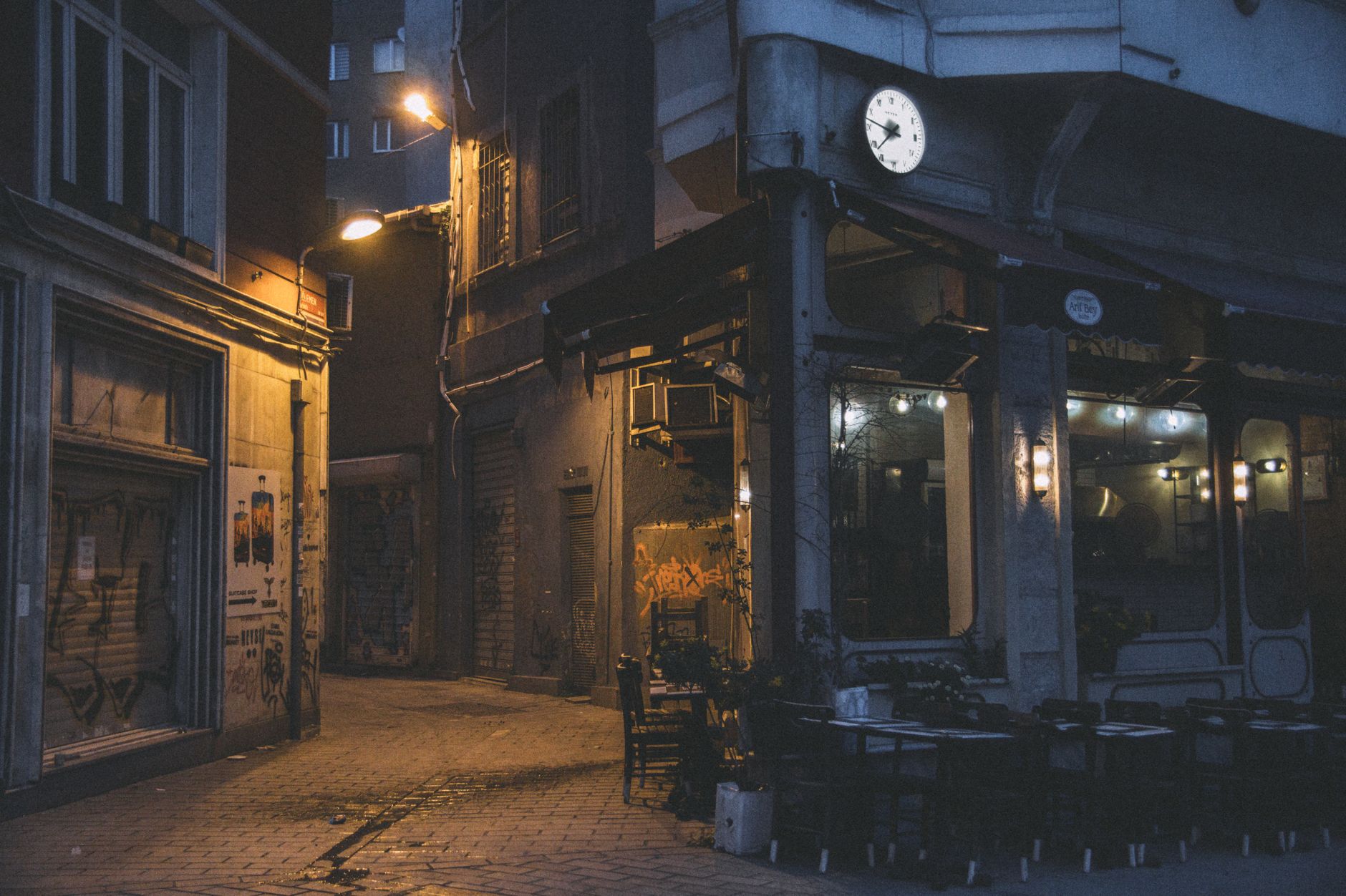
  • Lot Zero

    Lot Zero

    Fourteen Photographs

    We bought the cottage off fourteen photographs and a floorplan with REAR ADDITION — TBC typed across one corner. Probate, online auction, guide price ninety. It went for one hundred and thirty-eight thousand, and the deposit took the wedding money and most of what my mother had put by.

    Damgate Row used to house quarrymen. Two up, two down, a yard you can touch both walls of. The particulars said offered clear, and they meant it — the platform’s contracted crew had been through before we completed. No curtain rails. No toilet-roll holder. Light switches worn down to the brass and nothing else in any of the rooms.

    My grandmother’s sewing table came to us because nobody else had room for it. Edwardian, walnut, a workbox on runners that still slid like it had been oiled that morning. A dealer in Corbridge had offered her four hundred while she was alive; she told him where to put his four hundred. The kitchen quote came to six thousand two. We had four. So I listed the table at nine-fifty and waited for the sensible end of that sum.

    A man from Leeds bought it on the second night, paid the deposit, messaged on the Thursday: circumstances have changed, full refund. Things happen. A woman came next with a van and a nephew, checked the runners, paid cash, strapped it in. It was back on our step before eight the next morning, the cash in an envelope through the letterbox and a note pinned under the string:

    Changed my mind. Keep it. No hard feelings.

    Fran read the note twice and then looked at me, and I did the thing I do at work when a quote goes wrong, which is start again from the measurements. I stopped taking collections and booked a courier myself. The parcel reached the depot in Newcastle and sat in the system for six days — checked in, checked out, checked in — and came home on a Friday with our own address on the returns label. Printed. I had written the buyer’s address on the manifest myself, in block capitals, and I sat in the van checking the booking against the label until my phone slept.

    The Box on the Step

    Number 11 was Mrs. Hedley’s. She died in March, and her son gave the house to a proper clearance firm, the kind with a yard and a shop front, not a platform. I watched from our gate while they carried out dressers, carpet in rolls, a piano lid with no piano. At the end the foreman carried one cardboard box back over the threshold and set it on the step, and stood there a minute with his hands open.

    I asked what was wrong with it.

    “Nothing’s wrong with it.” He was wiping his hands on a rag that had stopped being a rag some time ago. “We leave one.”

    “One what?”

    “One thing.” He looked at me the way tradesmen look at you when they’re deciding how much of their day to spend on you. “You take a house right out, every stick, then the house holds what comes next. Leave it one thing, and it holds that instead. Old boy I learned it off wouldn’t say it any plainer. You leave one.”

    He had invoices in the van, years of them, rubber-banded into a brick. Clearance of a semi in Corbrig, 2011 — page after page of priced entries, and under the last one, no figure against it:

    Lot 0 — retained.

    A bungalow at Allendale, 2016. Same line, same empty price column. I asked what the boxes were worth, and he laughed once, from the stomach. “Nothing. That’s the point. Nobody bids on it at the rooms. It goes through as a penny lot in some other house’s job lot, and it lands where it lands.”

    The Corbrig Sale, 1971

    The town library keeps the Courier on microfilm back to 1962. I had a lunch hour and no better ideas. Probate sales used to run their auction notices in the classifieds, lot by lot, and in the ones I pulled — 1971, a farm sale; 1984, the Corbrig sale; 1997, a terraced house in three lots — the last lot of every clearance was 0. No description. In two of them the type ran a point smaller, as if the compositor had been asked to be quiet about that one line.

    Fran’s theory was paperwork. The trade dumps unsellable stock lot-by-lot and the zero line squares the catalogue. I said that was probably right, and it is probably right, and neither of us said anything about the parcel from Newcastle, which had by then been joined by a second envelope, refund number three.

    In June my mother downsized to a ground-floor flat over by the surgery. No room for the marble-topped washstand that had stood in her hall since before I was born — 1880s, cast-iron legs, the marble gone the colour of skimmed milk. We said we’d store it while she settled. It came over on Dave’s van on a Saturday, four men and bad language, and the sewing table sold on the Tuesday. A dealer, cash, no quibbles, carried out to the car like it was on fire.

    I didn’t connect the two. That’s the honest account. Table sold, kitchen ordered, tidy. Then in September my mother rang: the flat had a hall after all, bigger than she’d said, could the washstand come back.

    The second-hand dealer who’d have it off us rang off the arrangement — van off the road, next month maybe. Her nephew’s hire booking cancelled itself in the night. The flat’s caretaker decided the landing wasn’t insured for marble, then rang back a week later to say he’d been wrong, then didn’t answer again. Every arrangement to move it fell apart at the human end, politely, and I stood in our hall pricing it up the way I price everything now, and the sum came out to the foreman’s sentence.

    I went to the Tuesday general sale. House clearance comes through the regional rooms in job lots — box lots, sundries, a fiver a box, one catalogue line each. At the Monday viewing I walked the rows with my hands in my pockets and found what I’d come to find: one box in every sale that nobody opens. Corner position, under the trestles, tape gone brown.

    I bid a pound against the room and carried it home on the bus. A bread crock. A brass curtain rail, incomplete. Ashtrays. And at the bottom, wrapped in a 1994 racing page, a cashbox — tin, dented, painted black once, key long gone, empty. Older than the washstand. Older than anything in this house, and I hold the receipts for nearly everything in it.

    I put it on the shelf over the coats.

    What I Can Tell You

    The washstand went back on the second attempt, nine days later, her nephew’s van, my mother directing operations with her stick. The kitchen went in a fortnight behind schedule and exactly to quote. All of it, in the ordinary way.

    The box stays. Everything else we own came in after it — the cot, Fran’s records, my grandad’s medals — so there’s nothing under this roof it can’t out-rank, and I’ve stopped keeping count of what that’s worth.

    I do a small trade on the street app now. Surplus tiles, the cot when it was outgrown, neighbours’ overflow. Every batch I list, one item sells and then doesn’t: sorry, that one’s not for collection after all — pick something else out. Something small. Old, if they’ve got it.

    A young couple viewed number 9 last week. They’d bought off the photographs too, and I stood at their gate while the agent fumbled with the key box, and heard myself ask whether they were clearing much. When you get in, I said. Whatever you take out of there — leave one thing.

    They laughed. Most people do. The foreman hadn’t laughed, though, and he’d been doing it forty years, and on the back of our kitchen quote, in pencil, there’s a line Fran keeps meaning to paint over and doesn’t: leave the box on the shelf over the coats. Whoever buys this place will weigh that up with everything else.

    By then it’ll be the oldest thing they own. That part I can prove.
  • The Sudmoor Link

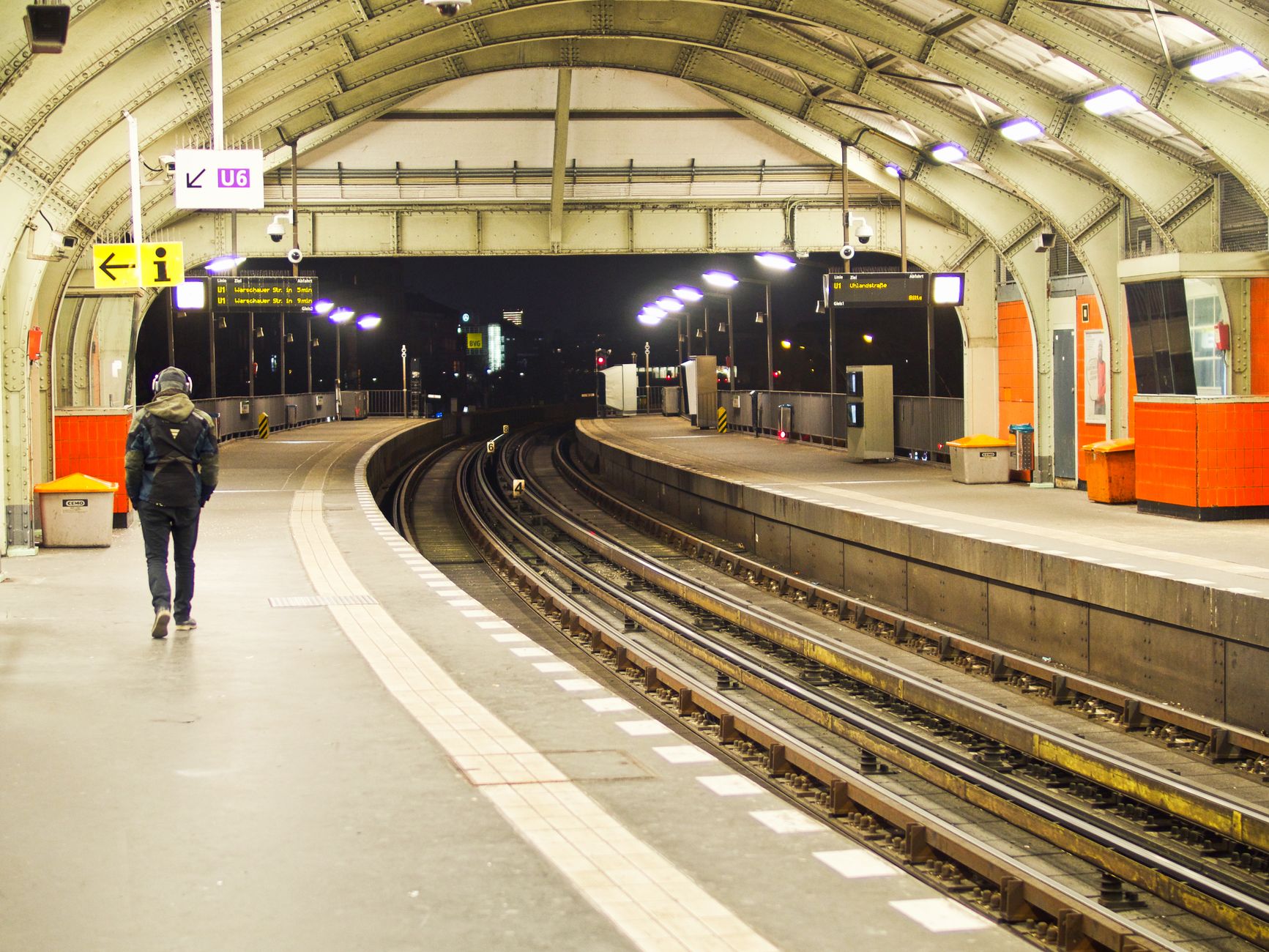
    The Sudmoor Link

    The Second Roundabout

    The bridge works went up in the third week I was there: grey hoarding, a temp traffic light on legs, and a closure notice laminated at both ends of Marchford bridge. NIGHT CLOSURES, 22:00–05:00, SIX WEEKS. DIVERSION SIGNED.

    Brian read the notice over my shoulder at afternoon shift change and took me for a coffee I didn’t want.

    “You’ll be on nights when they start,” he said. “So you get the talk now, instead of after.”

    The talk was this. The amber signs — the diamonds on the yellow ground — you follow them as far as the second roundabout, the one with the garden centre. Then you leave them. Your own way, whatever it costs you in minutes.

    “Past the garden centre they keep going,” he said. “Up past the gate at Sudmoor, arrows pointing over the moor. You do not go up there.”

    “Why? What’s up there?”

    “The Link.” He said it the way you give a road its local name, no ceremony. “Nineteen hundred metres of road the county’s got on its books and nobody’s ever built. There’s a gate, there’s a footpath, there’s four hundred metres of old sub-base that runs out into a field of barley. And there’s a making-up order from 1976 with a seal on it. The street went on the List before the scheme died at inquiry, and it comes off the List with an order nobody’s been paid to make since Heath was in office. So far as the county’s concerned, that’s a highway. Seven point three metres wide. Street-lit.”

    He’d had it from the old lad with the pallet round before him, who’d had it from a county man over a fence in about 1988. That’s how the talk goes. Nobody who gives you the talk is the person it happened to.

    “Rule three,” Brian said. “If you’re ever on it — and you won’t be — you keep rolling. You do not stop. You do not get out. Not for a puncture, not for a lamb, not for a man waving you down. Traffic keeps the road. Anything else is a person stood on a scarp in the dark, and then you’re not traffic.”

    Twenty-Two to Five

    First night of the closures I did as I was told. My own way from the second roundabout: ring road, the levels, the back of the retail park. Forty-one minutes extra. My last drop cleared at 06:04, four minutes past the cut-off, and the agency’s transport manager got the automated email about it before I’d parked the van.

    One more, lads. Third one ends the placement. The depot group chat, no question mark.

    The night after, the motorway shut two junctions up — a jackknifed artic, they said — and the whole town tried to use my own way at once. I sat in a queue of strangers’ brake lights on the ring road and watched the amber signs continue past the garden centre, on up past the gate, over the moor.

    Six minutes. Brian had said six minutes, estate to Ashgate roundabout, and by any road with tarmac on it the same run is nineteen.

    The queue moved a van-length. The clock said 02:51, the last drop was unmade, and I turned up the Link.

    The Sudmoor Link

    The gate was open. I want that written plainly: the gate at the foot of the scarp, padlocked every time I’d ever passed it on the bridleway, stood chained back on its post, and a fresh amber diamond above it pointed the way a diversion arrow points.

    The sub-base lasted the four hundred metres it lasts on foot. Then the signs kept coming and the road kept being there.

    It drove like new asphalt, and that is not a figure of speech. No camber wrong, no pothole, the wheel singing the way it sings on a dressed surface three weeks after the plant has been through. It had rained since ten o’clock and every road in the county wore a sheet of standing water. The Link was dry. Bone dry, swept, two polished grooves running up the nearside lane like the wear you get off a bus route.

    Cat’s-eyes, spaced the way the manual spaces them. Lamps at the proper interval, every one dark, each with a small steel plate at eye height: SUDMOOR LINK 41. SUDMOOR LINK 42. A hedge on my side, cut square, and past it the gorse ran down the scarp into nothing — no lights, no farm, the town fallen away behind — and the road went on being a road, white edge lines and all, wherever the record said it was one.

    The radio, empty all week after midnight, found the county’s own traffic channel and read the closure order on a loop, in the soft voice they put on recorded lines:

    Marchford bridge, night works, closed twenty-two hundred to oh-five hundred. Local diversion in operation via the B-road and the Sudmoor Link.

    A sign went by on my left, facing the other way, for traffic coming up the Link as I was: ROAD CLOSED AHEAD. There was no junction. There was nowhere it could have come from.

    At the white stake marked PP3 there was a van.

    County highways. The orange livery gone chalky, the beacon dome crazed and dead on the roof. Moss to the sills and up over the scuttle, the windscreen opaque green, the asset number on the door still reading — and the service sticker in the corner of the glass was this spring’s. Inspected. Due again in March.

    I did not stop. The van was doing what the county’s books said it did, which was stand at passing place 3 in service, and I was doing what the order said I did, which was proceed.

    Six minutes, estate to Ashgate roundabout, and the amber signs folded me down onto real tarmac with the rain waiting on it as if I’d been let out of a building.

    Average Journey Time

    The run cleared at 05:36. The telematics uploaded itself at the gate, the way it does, and by afternoon the transport manager had sent the depot a message with a thumbs-up in it: good find, that Link’s six minutes off the estate leg.

    A fortnight later the routing app started offering it. Between ten at night and five in the morning, the Link comes up on every run to the Ashgate side. Fastest route. Average journey time six minutes, based on recent drives. My drive. I’m the recent drives.

    The agency lads go up it now. One of them complained at shift change about a parked van he’d had to swerve round, up by the third passing place, and was told to log it as a highway obstruction. He logged it. The app still routes him up there.

    I’ve been up it four times since. You take the six minutes off your own risk or you don’t, but you know the rule before you choose, because I’m the one who gives the talk now.

    And once — the fourth time, a Tuesday, 02:14 on the clock — there was a vehicle ahead of me on the Link, holding the lane at thirty. Orange livery, chalky in my headlights. It signalled left at the white stake, PP3, and eased in to let me pass, the way you do for faster traffic on a single-lane section. Going by, I had the cab dark under the moss on the glass and the current sticker in the corner.

    It pulled out behind me. In the mirror it stayed with me, patient, at the lawful following distance, all the way to the roundabout — and the roundabout was rain and brake lights and a Tesco lorry, and behind me the Link was a gate and a footpath and a field of barley.

    I keep rolling. That’s the whole of the talk. There’s a new lad starting Monday on nights, the bridge works have six weeks to run, and I’ve already asked him for a coffee he won’t want.

  • One Part Short

    One Part Short

    Every temp agency in Ludwell County carries the same story, and no two tellers agree on where they heard it first. My cousin’s roommate had it from a girl she temped with at the courthouse. The version that reached me was short. Work the annex, keep your mouth shut about anything that isn’t on your list, and if you slip, don’t act surprised at what turns up at your door.

    The annex sits behind the courthouse: deeds, vital records, hunting licenses, one yellow-brick shoebox with a flat roof and a flagpole nobody raises. The girl in the story lasted three weeks. She keeps a stapler at home that the county has no record of buying. No hinge pin in it. It still staples. She keeps it in a drawer with the batteries and the birthday candles, which tells you something about what she thinks it is.

    I took the job anyway. Six weeks of fiscal-year-close inventory, fourteen dollars an hour through Staffing Solutions, and one sentence from the placement counselor: temps who close clean get converted. My lease and I both wanted converting.

    Mrs. Ostrander had run Room 5 since before the typewriters went out. First morning, she set the printout in front of me, squared it against the desk edge, and gave me the rule flat, no story attached, the way you tell somebody not to top off a tank indoors.

    Anything on this list you can’t find, you strike the line. Your hand, pencil, one clean line through it. Don’t initial the strike. Don’t write found or missing. And whatever you do, don’t stand anywhere inside this building saying you remember something that isn’t on my list.

    I laughed. She waited until I stopped.

    Counter Two

    The letter tray went on my ninth day. Two-tier steel, sat on Counter Two where the outgoing requests collected. I set certified-copy forms in it at 9:40 in the morning; at 2:00 the counter was bare, wiped down, not even a ring in the dust where its feet had stood. The 4:00 printout ran four lines short of the morning’s, and the tray’s line was gone with the rest. Not one soul at those counters looked around for where their forms went. A man folded his request in quarters and carried it home in his coat.

    I struck it. Pencil, one line, no initials. Mrs. Ostrander watched me do it and went back to her stamps.

    The spare pad for the date stamp went the next week. Then the third chair, the one with the wobble that everyone supposedly kicked to the same corner. Then the fountain on the landing — midweek, no plumbers called, a patch of unworn linoleum at the stair turn that I could see and the deputy recorder could not, and I stopped pointing at things not long after that.

    Nothing ever appeared. That’s the part the story never gets across. Nothing moved, nothing knocked, nothing arrived to replace what went. The annex just got simpler, one ordinary thing at a time, and simpler was somehow worse.

    Thursday of my fifth week I called my cousin and got the roommate on the line. The stapler is real. County property stamp on the base, hinge pin gone, staple track still true. Her words, and I’ve kept them:

    I said it at the annex, to the girl covering my lunch. “They used to staple everything in duplicate here.” Just that. That night it was on my kitchen table.

    I asked how the pin goes missing off a stapler that never leaves a kitchen. The pause on the line lasted long enough for me to regret the question.

    “That’s the other half,” she said. “It comes to you one part short. Everybody at Staffing Solutions knows that half. Ask them where the part goes.”

    Nobody at Staffing Solutions knew. The counselor smiled with her whole face and moved on to my conversion paperwork.

    The Pale Rectangle

    Room 5’s wall calendar hung by the door: the county’s sesquicentennial calendar, printed for 1998, never replaced, because the next one isn’t due until the bicentennial in 2048. Every January Mrs. Ostrander wrote the new year under the printed one in red ink. Duty initials filled the grids — four clerks’ worth of winters, a couple of hands I recognized from deed books older than me.

    The last Monday of March I came in and the wall was bare. Pale rectangle, a shade and a half lighter than the paint around it, four screw holes I could count and nobody else could see. My morning printout carried a line for the wall calendar. My afternoon printout did not. The deputies walked past that wall all day, past a rectangle of ghost paint, and if you’d asked them, that wall had always been bare, and they’d have wondered what was wrong with you for asking.

    I struck the line. My hand. No initials. Then I sat with my pencil and said nothing, for three days, while the annex closed itself down around me in tidy subtractions and I initialed page after page of balanced nothing.

    Thursday we ran the final reconciliation. The sheets matched by 6:40. I was tired the way the last week of a contract makes you tired, all the way through, and I stood in the door of Room 5 with my coat on, looking at that pale rectangle, and I said it. “There was a calendar on that wall.”

    Mrs. Ostrander’s stamp stopped mid-press. She didn’t turn around.

    “Parking lot,” she said. “You say it in the parking lot.”

    I had said it in Room 5.

    It was leaning against my apartment door when I got home, upright, like something delivered and signed for. The 1998 calendar, red year-inks and all, and December cut out of it — one clean cut at the spiral binding, no ragged edge, nothing for a thumb to catch on. Eleven months and the title page. February’s grid was full of duty initials, and one square in the second week held initials I didn’t learn from any deed book.

    My mother’s. Her slant, her loop on the second letter.

    She temped at that annex the winter of 1998 and never told me, and she took the whole of it with her when she died, and now I know exactly one square of it: February, second week, her initials in a duty grid. Whatever she initialed in December — her last month, the month the temp contracts ran out — the county keeps.

    What I Keep

    The inventory closed clean. Every line struck or found, the sheets balanced to the penny. The conversion post went out of existence in the same budget meeting that voted to digitize the deed room, so my reward was a reference letter and a firm handshake.

    I keep the calendar on the kitchen wall. November turns over and there is nothing behind it but the courthouse picture printed inside the front cover, and every year I stand there a minute too long, checking a printout in my head for a line that isn’t there.

    Mrs. Ostrander retired in May. On my last day she said my mother struck fourteen lines that winter without one word spoken in the building, and that I had her hand for the pencil. Then she gave me the rule again, both halves, and made me say them back.

    The agency still has the annex story. I do my part for it now, each season, the way it was handed to me: a friend of a friend, a building where things go missing on the list and off it, a rule with two halves. Last winter a girl at Staffing Solutions told it to me with the roommate already gone from it — a girl she went to school with, a stapler, one part short. She asked me whether I knew where the parts go.

    I said the county keeps them. She wrote that down.

  • Answer First

    Answer First

    The Rules According to Danny

    Danny Hodge mows the verges for the council, and he mows them the way he did when we were fourteen, which is to say at walking speed, one hand on the bars, the other holding a phone he isn’t reading. I found him on Padley Drove on the Thursday, folded out of his cab onto the tailgate, eating a pork pie in the shade with both doors open and the radio going.

    I was in town four days, by plan. Clear my mother’s house, sign whatever the agent put in front of me, hand over the keys Monday morning, drive back down the A1 before the traffic. Four days is generous. That was the plan.

    Danny asked after her, and I told him, and he nodded at the pie for a while. Then he asked whether I still went out the Drove at dusk, and when I said there was no reason to, he looked pleased, the way a man does when he’s got something saved up.

    “You want to try the pipe,” he said. “Kids still do it. Not our kids, but they do it.”

    The pipe is the culvert that takes Paddy Drain under the Drove, a brick throat about chest height, barred at both ends with galvanised grates gone the colour of bark. The rule as Danny gave it, word for word, because he gave it word for word:

    Knock three times on the grate and ask it one how-many question. Any how-many you like. You get one in your life, so don’t waste it. Never ask it when. And mind — it answers quick.

    “Quick.”

    “Ahead of you.” He folded the pie paper into a square and pocketed it. “That’s the bit nobody believes till they’ve stood on it. My cousin asked it how many fish in the old flooded pit and got his knocks back before he’d finished the sentence. He swears that. Swears it at parties.”

    A friend of a friend, with the cousin promoted to first person whenever Danny’s had a drink. The usual shape of these. I said something polite about echo, and Danny said yeah, sure, echo, and tipped the last of his flask into the cup, and neither of us pressed it, because Thursday had four more rooms of my mother’s things in it and the light was going.

    Twenty-Nine Seconds

    I went down the Drove at dusk on the Friday, with the phone.

    Not to prove anything to Danny. The house had reached the stage where every flat surface was a decision, and the decisions had started answering back, and I wanted twenty minutes of fen air in which nothing needed sorting. The recorder was for the sorting. If I came back with a file of taps and rooks, that was a story for the drive home, and I had two nights of them to fill.

    The Drove runs dead straight for a mile between two wheat fields that used to be five jobs, and the pipe sits at the low end, where the drain runs slow, the hedges quit, and the sky starts. I stood on the grate. Rooks going over. The water doing what fen water does, which is nothing, loudly.

    I hadn’t decided the question. That’s the truth of it — I was still choosing between something safe and stupid, how many bricks in the arch, how many rooks in that lot going over, when the knocks came.

    Three. From inside. Wood on brick, unhurried, the spacing of someone knocking on a door who expects it opened.

    My hand wasn’t on the grate. My hand was in my coat pocket, around the phone. I hadn’t knocked, and I hadn’t asked, and the three knocks sat in the evening as though they’d been waiting for me to catch up. Then, into the gap they’d left — because the alternative was standing on a farm lane saying nothing for the rest of my life — I asked my question out loud: how many more nights would I sleep in my mother’s house?

    The pipe gave nothing else. I stood there past the point of dignity and walked the mile back with the light failing behind me.

    In the kitchen, over the last of a tin of soup, I played the file. The knocks are at eleven seconds. My question is at forty. Between them you can hear a rook, and the drain, and me shifting my weight on the grate — twenty-nine seconds of ordinary fen, all of it after the answer and before the ask. I turned the volume up until the knocks filled the room, and there was no knuckle in them, no tick of the grate settling. Wood. On brick. From inside.

    Three Nights

    Monday’s handover didn’t happen. The agent’s buyer had a surveyor who could come Tuesday afternoon, and Tuesday the surveyor wanted the loft hatch seen to, and there is one man in Wickmere who does loft hatches and he fishes, so Wednesday. I slept in my mother’s back bedroom on the Monday, and again on the Tuesday, and packed the last boxes on the Wednesday morning with the count sitting in my chest where I’d put it away.

    Two nights by the plan. Three by the pipe.

    Say it straight: I’d have found a third night regardless. Nobody clears a mother’s house in the time they set aside; there is always an envelope that needs the afternoon. I know every way to make that not mean anything. But the file on my phone has the answer arriving before the ask, and I was the one who chose to stand on that grate, and on Wednesday the third night was spent and gone.

    I gave the agent the keys at ten on the Thursday morning. The A1 south was clear.

    Nineteen Sixty-Two

    Danny rang me on the Friday, while I was still unloading boxes into a flat that already had too much in it. His sister had told him I’d been down the Drove. Word gets around a town that size the way water gets around a fen — no hurry, everywhere eventually.

    I told him about the recording. I played him the twenty-nine seconds down the phone, knocks first, question after, and he went quiet in the way of a man checking something against something.

    Then he said, “You got three.”

    “How do you know that?”

    “Because of my gran.” A lorry went past his end. “Her story. She told it every Christmas once the port was out. Nineteen sixty-two, she’d be eighteen, walking the Drove home from her aunt’s at dusk, and the pipe knocked three times with nobody on the lane either side of her. Clear as a knuckle on a front door, she said. Three of them, then nothing. She ran the rest of the way home and made her father walk the lane with a torch, and there was nothing to find. That telling is half of why the kids still bother with the pipe. Nobody ever put those knocks with a question, because there wasn’t one.”

    In my mother’s retelling, the gran story was a girl on a lane and a sound with no source. Nobody ever put it with mine.

    Danny’s telling it around the town now with the recorder in it — that’s his right, it’s half his legend — and the kids’ version by Bonfire Night will have the knocks a full minute early and a surveyor who never existed. The rule as it travels goes: the answers are already out before you ask, so asking is only catching up, and never ask when, because when is the one thing that pipe keeps in no order at all. I helped that last line along myself. It fits the facts as I have them.

    What isn’t in the telling, and won’t be: the knocks my question got were heard in full by an eighteen-year-old girl on her way home from her aunt’s, sixty-four years before I stood on that grate with my mouth still shut. She is thirty years gone. It can’t be checked, and I won’t try, because checking is what the pipe does to you — you go down with one question and come back with the answer in your chest, counting.

    Boxes, on the drive down. Three wouldn’t sit flat in the boot, and I stopped twice on the hard shoulder to do them again.

  • The Gap Run

    The Gap Run

    The Dead Window

    Nunn Mill did the linen for three trusts: Beckfield General, the Mount, and a hospice out at Dale Head. Nights were six of us. Mo ran the tunnel washer, Sem ran the presses, and I went wherever the chargehand pointed, because I was agency, and agency means the worst jobs and the rota nobody else would sign. What I wanted was staff. Bev had said the January intake was real, that if my attendance held I’d be on the books by spring, and at twenty-three, with the agency skimming their cut off every week, that promise was just about the whole shape of my life.

    The work had a shape. Soiled side took hospital vans up to half one; we shook out, scanned, sorted; the last batch went through before two. Then nothing moved till the clean vans at six — just the dryer fans, the drip tray under the press, and whoever was on break. Mo called the quiet stretch the dead window. Two till gone two. Twenty minutes with no batch to run, no sheet to write, nothing to count.

    As Found

    Mo gave me the rule in my third week, over the barrier, without looking up from his wraps.

    “Some nights the tunnel runs a batch in the dead window,” he said. “No van’s been. Nobody’s loaded it. But come six the sheet’s there, done proper — Ward 14, fourteen trolleys — and the writing on it is yours.”

    “Mine.”

    “Whoever finds it. It’s in the hand of whoever finds it.” He squared the stack and dropped it on the counter. “So you sign underneath. As found, your name, the date. You don’t cross nothing out. And you don’t ask for the log to be reprinted, because the reprint comes back with the run still in it, and then you’ve asked.”

    He had it from Kev, the chargehand. Kev had it from his cousin Barry, who was nights here before I was out of school. Barry crossed his line out — one line, scrubbed with a biro till the paper went grey — and after that Barry was late. Not once. All season. Buses pulling off as he reached the stop. The register at his daughter’s wedding signed before he got down the aisle. His father’s funeral down to the last hymn by the time he found the chapel door. Five minutes here, twenty there, taken out of him at random, like change from a torn pocket. He came back to nights, signed as found, and it stopped, and he’s been on days ever since.

    “Ask Kev,” Mo said. “It was his cousin.”

    That’s the whole legend. Ask anyone on nights and they got it from someone, and nobody got it from Barry.

    Sheet Three

    The canteen clock said 01:58 when I sat down with my tea, two sugars, made strong. The next thing I knew, the corridor clock said 02:21 and I was standing at the barrier with nothing in my hands and the shake-out finished. My cup was on the draining board. Rinsed, upside down. I don’t rinse. I drink it to the dregs and leave the cup on the ledge for whoever loses the argument about the sink.

    Sheet three read:

    Batch 47 — Ward 14, Beckfield General
    Trolleys: 14
    Start 02:00 / Out 02:20
    Counted: T. Aldous

    Ward 14 is twenty-seven beds, and in every night I’d worked it had never sent more than nine trolleys. Nine. The sheet said fourteen, in a hand that was mine — crossed sevens, flat fours, the crossbar on my A sitting low the way it does — and the T.A. at the bottom signed in one stroke. The brass odometer on the tunnel, the little counter that ticks one per cycle, was up by one. On the clean side sat fourteen sealed wraps, lids clicked down, labels facing out.

    Sem was at the press. “Good chat, that,” he said. “About your intake. I’ll put a word in with Bev, like I told you.” He said I’d told him the January contract was the whole shape of my life, in those words, and that if I got staff my mother could stop asking whether the agency counted as a real job. I hadn’t said it to him. I’d said it once, to Bev, in her office, with the door shut, a month before.

    Mo’s sheet came a fortnight later. We were both in the canteen for that break, both facing the door, and I remember him at the shake-out at ten past two, banging the rails the way he does when the cotton bales stick, and he remembers me over on the clean side with Sem — and at 02:23 his sheet was in the tray, Ward 14, fourteen trolleys, Mo’s writing, his tea gone cold in front of him. Two men in one canteen, and each of us somewhere else in the other one’s head.

    He took it down to the site office and signed it as found and filed it in the binder, and that’s where I saw the rest of it. Thirteen years of binders. The same run scattered through, four or five a year, always Ward 14, always fourteen trolleys, always 02:00 to 02:20, always in the writing of whoever found it. Some hands I knew. Some belonged to men from the corridor photos, retired or buried before I ever filled in an agency form. There’s a camera over the barrier, but the DVR lives in the manager’s office and overwrites every twelve days, and an agency lad doesn’t knock on that door to ask for footage of hours he can’t account for. I asked Kev for Barry instead.

    Boiler Room

    Barry’s on days, in the boiler room, a big quiet man with a scar through one eyebrow. He told the season of being late the way Mo had it, but slower, and in the middle he named the chapel and the hymn. Then he looked at me the way you look at a new starter.

    “You’ll want your barrier run done before six,” he said. “You always did. Bev’s intake, is it? You were on about it last time.”

    “Last time.”

    “The night I scrubbed my line out. You were on the barrier with me, wrapping, while the tunnel ran, and you talked the whole way through it. Your mother. Whether the agency counts as a real job. Word for word, you said it.”

    The night he scrubbed his line out was 2007. I was twelve in 2007, at school in Carlisle, two counties and a motorway away, and I told him so. He didn’t argue. He didn’t take it back either. He nodded, the way you nod at a lad who’ll learn, and said the canteen tea’s better if you let it stand a minute.

    I told Mo about it the next night, and Mo went quiet, and got out the 2007 binder, and put his finger on the sheet from the night Barry scrubbed. Fourteen trolleys, 02:00 to 02:20. The hand wasn’t mine. But it crossed its sevens.

    The contract came through in January. Kev shook my hand and Mo got me a card with a steam iron on the front. My first staff night, I made tea at 01:55, two sugars, and set it on the ledge by the soiled-side door, and went and sat in the canteen with my back to the window. At 02:21 I walked out. The cup was on the draining board, rinsed, upside down. Sheet three carried a finished run — Ward 14, fourteen trolleys — in my hand. I signed underneath: as found, T. Aldous. At six the reconcile came out level to the trolley, and the Beckfield van took all fourteen wraps away with the rest.

  • Finish at the Door

    Finish at the Door

    This is how it was told to me, at a folding table in the Kestrel depot between the glove fitting and the payroll forms, and it is how I tell it now, so it’s worth saying how I got it.

    The Green Dot

    Dee ran orientation. Nineteen years on the routes, a laminated sheet of house codes, a coffee she never touched while she was talking. Most of it was ordinary work talk — buckets, keys, whose dog meant it. Then she turned the sheet over, and there was a column of green dots down one margin.

    “A dot on the corner means somebody died in the house,” she said. “It happens, and you get used to it. In a dot house you work from the back of the house to the front. First stroke in the room furthest from the door. Last stroke at the door. Then you’re out, and you shut it.”

    Nobody asks why in orientation. You ask after, in the van, and the answer comes to you in pieces. Rosa heard it from her cousin, who cleans for an agency out in Oshawa. The version that travels comes with a clip attached: forty seconds of doorbell footage, passed phone to phone in the group chats, deleted off the company server twice and saved by everybody. A cleaner in Kestrel colours at ten to two in the morning, wiping the same metre of banister over and over, in a house she had clocked out of by four that afternoon. Rosa swears her cousin knows the woman. In two years of asking, the cousin has never once produced a name.

    “You finish anywhere else,” Dee said, “you leave your finish behind.” She let that sit while she found her place in the talk, and then it was mileage and mats and the rest of it.

    Through that winter I did eleven dot houses by the book. Back room first. Kitchen, bath, bedrooms, hall, and the last stroke across the threshold plate. Nothing happened in any of them. Nothing is what keeping it looks like. You get your hours, you get home, and when the estate settles the dot comes off the sheet.

    Slush in the Door

    March. Mrs. Etches on Rowntree, a dot on the corner, a widow who kept the place beautiful, with care cameras in the kitchen and the hall so her son could look in from Ottawa. Last job of my day. The daycare holds my daughter until 5:30 and charges a dollar a minute after.

    The thaw came that week. I came through Mrs. Etches’s door at three with the entry already underwater — grey slush to the edges of the mat, the storm door bleeding melt every time the wind leaned on it. The rule says work away from the door. The trade says you don’t carry that through four finished rooms on your shoes.

    I did the entry first, and I told myself it was the professional call. Then the hall, then the front room, and I worked back through the house and finished at the kitchen sink. Clocked out on my phone at 4:51. Fish sticks, bedtime, bed.

    Ten to Two

    The office thread lit up before my alarm did. Mrs. Etches’s son, writing to the scheduler:

    Your cleaner was in Mum’s house at ten to two this morning. Mum has been here with me since Sunday. Doors locked, alarm set. She had her cart. Please call.

    The clip is forty seconds, off the hall camera, and I have watched it more times than I will admit. My cart in the hall. My caddy on it, cloths folded my way. A woman in my polo — the one with the loose thread at the shoulder I keep meaning to trim — wiping the banister, the same metre of oak, over and over. She has my walk. My forearms. The cloth moves in her right hand the way mine does.

    The timestamp runs 1:52 to 1:53. Toward the end she stops, sets the cloth down on the caddy, and looks up into the lens. Motion clips cut at forty seconds. Hers cut on the look.

    Dee called me before the office did. She didn’t ask whether the woman on the screen was me. One question. “Where did you finish?” “The kitchen,” I said. “Get your coat,” she said. “We go before the son wakes up.”


    We went at five. The correction is the whole house again in one pass — no phone, no stopping, no answering the door, back rooms to the front — and you do not set your cloth down until the last stroke is at the door. Then out. Shut it. You don’t look in through the windows on the way to the van. Not because something would look back. Because Dee said so, and by then I had stopped needing reasons.

    The work itself went like work. Cold floors, the smell of Mrs. Etches’s lemon polish, the radiator ticking itself awake in the front room. One thing was wrong. My bucket stood dirty on the van floor, and I had emptied and rinsed it the day before. Whatever wiped that banister rinses its cloth and keeps the water.

    I made the last stroke at the threshold plate at 6:40 in the morning, shut the door on it, and Dee drove me to the depot for the early shift as though nothing had been cleaned anywhere.

    The First of the Month

    Two years on. Dee retired in the spring, and the orientation folder came to me, because I was the one who could say where the rule had bitten. Rosa’s cousin’s clip stopped coming round after mine did. Mine is the one that gets saved now, passed phone to phone, deleted off the server twice.

    The son kept the cameras live while the estate was settled, and the alerts still push to a share the office never took me off. In April the kitchen camera tripped at ten to two — a cloth moving along one metre of counter, no cart in frame. In May, the little passage. June, the front room. One room a month, working toward the door the way we are taught, at the pace of a house that is nobody’s home now.

    Nothing has ever shown in the doorway itself. The new hires ask every intake whether the clip is staged for the safety talk, and I give them what Dee gave me: work away from the door, last stroke at the threshold, and if you break it, you go back before sunrise and do the whole house in one pass. Then I add the part Dee never had to say.

    Last month the motion came from the hall.

    The hall is the last room. I have told myself I won’t look on the first of the month, and I have never once managed it. The realtor’s listing says the place shows beautifully.

  • The Amber Light Over Annside Edge

    The Amber Light Over Annside Edge

    How Moira Tells It

    Moira has driven the Marsk district rounds for nineteen years, and she told me the story at the start of my second winter, on the grounds that I was now doing Tuesdays and Thursdays over the top and ought to know. It came to her from her brother-in-law, who hauled aggregates over Annside Edge for six years, and he had it from an older driver whose name changes every time Moira tells it.

    The shape of it stays the same.

    First fog of October, any year, between half two and half four in the morning, on the stretch from the water board gate down to Marsk: a single amber beacon, the old rotating kind, running twenty miles an hour ahead of you. You fall in behind. You match it. You do not overtake, you do not flash your lights, and whatever happens you do not thank it — not out the window, not under your breath, not at the bottom when you’re through. It isn’t doing you a favour. It’s doing its job.

    Those it brings down arrive at Marsk with their paint unmarked. On that much, every version agrees. The rest they argue about. Moira says you must watch the light and never your speedometer. Her brother-in-law says a taxi man overtook it at the Elbow once and was found two fields off the road, standing upright in fog so thick the searchers walked past him twice. Somebody’s aunt says the driver is a woman. A man at the depot says there is no driver at all, only the light, and is told to shut up, because that isn’t the story.

    I filed it where I file most things Moira says. Fog, an old beacon on a highways truck, drivers pattern-matching their way home in the dark. I had Mr. Aldous and Mrs. Peake and the two bungalows at Pailings on my round, a fifteen-year-old hatch with a noisy heater, and one winter of getting over the top without an accident ahead of me. That was the whole of what I wanted.

    The Fourteenth of October

    The fog came down on the fourteenth, first of the autumn, while I was finishing the late round at Culerton. By the water board gate it stood over the hedges and I was down to second gear, windows cracked, listening for the gritter.

    The amber light was already there. A hundred yards ahead, no more. Turning slow.

    Twenty miles an hour. I know because I looked, and Moira’s rule about the speedometer turned out to be the one part of it I couldn’t keep.

    What it did, it did well. It slowed a full fifty yards before the frost hollow at the Pailings — the dip where field water crosses and the surface glazes in October — and took the Elbow wide, out past the marker stone, the line you’d take if you’d driven the road fifty years and knew where the camber lies. Once, on the straight above Marsk, it stopped altogether and held, and after a moment a ewe came off the bank through my headlights and trotted ahead of us both for a quarter mile, the way a thing is seen home.

    At the town boundary it was gone. No turn-off, no tail lights pulling away. The fog sat on the field above the allotments, the road ran empty and wet, and I was down.

    I’ve tried to describe the following week and mostly I don’t bother. Minded. That’s the nearest word. Something with a far longer attention span than mine had taken an interest in my axles and my stopping distance — briefly, in passing, the way a council takes an interest in a bridge.

    Six Days

    In the third week of November the fog came back and stayed. Not for the morning. Not for the afternoon.

    The county put the boards out on the Marsk road and local radio read the closure between the football and the overs.

    PASS CLOSED UNTIL FURTHER NOTICE — POOR VISIBILITY

    That was all it ever said. Below the Edge visibility was fine; you could stand at the top of Back Marsk and count Culerton’s streetlights with the barrier shut in front of you, and from the pub garden at Annside you could pick out stars. The fog sat on the pass itself, a mile and a half of it, gate to gate, like a held breath.

    I ran the rounds by the valley road instead. Three hours each way, down past Weirton and up the far side, and I told myself the schedule would hold.

    At four in the morning on the fifth day Mr. Aldous rang the bell at Pailings with the pain in his chest. I was there in nine minutes. The controller said fourteen for the ambulance and I said the pass was shut, and she said she knew, and neither of us said the other thing, which was that the helicopter sat weathered in at Culerton under the same fog that was holding the road.

    The ambulance came the valley road with everything on. Somewhere above Netherfield the bends took the siren off. He was conscious when they loaded him at Pailings and not by Culerton. Chest pain, eighty-one, November fog. The word the inquest used was delay, and the delay was the road’s, and the road’s was nobody’s.

    His son came down from Leeds and asked me, in the kitchen, why it had taken three hours to travel eleven miles. The pass was shut, I said. Poor visibility. He nodded and wrote to the county about signage, and I stood at his father’s sink and let the true half stand for the whole.

    The Fortnight After

    The fog lifted on the sixth evening, all at once, the way a hand opens. The county reopened the road at eight.

    At ten past four the next morning the hillside above the Elbow let go. A slab the size of a delivery van came down across both lanes, onto empty tarmac, in the dark, with the first bus not due until twenty past seven. The gang had a loader on it by nine and one lane open by noon.

    Moira took me to the local studies desk at Culerton library on her day off, and we went through the closures on the microfilm like two women doing a crossword. 1974: nine days of fog, then a fall at the Elbow the size of a wardrobe, a fortnight after. 1987: eleven days, a fall that took the wall and the marker stone with it. 2003: six days, then the rock on the front of the Marsk and District with a council man standing on it for scale. Every long closure, a fall after. Never once the other way round — no fall without the fog first, no car under a fall, no closure that ended without the hill paying out inside the fortnight.

    At the public meeting in the institute, the county engineer brought photographs of the scarp and a quote for mesh and bolts. Three hundred thousand, unfunded. Somebody asked about the fog and he said fog was fog, you couldn’t bolt weather. Then an old man at the back — aggregates, Moira whispered, the brother-in-law’s old ganger — stood up with his cap in both hands and said: “You’ll not fix that bank, and you’ll not move that road. It’s held as long as it can hold, every time, and it’ll hold again.” He said it the way you give a character reference. The money was deferred to the next budget round, which in Marsk means no.

    A week after the meeting, the new girl on the roster asked me about the amber light. She’d heard it at the depot, and was it true about the taxi man. I gave her the fog, the gate, the twenty miles an hour, the ewe. The shape of it. She wrote the rules on the back of her round sheet.

    Mr. Aldous never came into it. I registered that afterwards, the way you register you’ve driven past your own gate: the story had set him down somewhere behind me and carried on walking, and I let it, and I’d let it again. It’s a good story. It brings people over the top with their paint unmarked, and it wants to keep doing that, and it can only travel light.

  • In Kind

    In Kind

    The Legacy Codes

    The council cut over to a new finance system on the first weekend of October, and my job for the whole of my probation was to kill the legacy codes. Every code still alive at cutover migrated. Nobody wanted a nine-year-old suspense account with their name on it, least of all me, so I worked the printouts top to bottom and would have finished in August if not for GL 7-110.

    GL 7-110. Rent — ceremony, in kind. Nil value, annual recurrence, last reviewed 1989.

    I asked about it at the desk. The girl who had the chair before me had asked too — Yvonne in revenues told me the story her first manager used to tell, which he had from the cashier before him, and by the time it reached me it had worn smooth as a coin. Rent on what, nobody said. Paid to whom, nobody knew. The rule was the only part that never changed: never query it, never write it off. It cleared itself. It had always cleared itself.

    Mr Hoyle had been chief cashier for thirty-one years. He retired in June, signed his leaving card across both pages, and taped a note under his drawer where he knew the next hand would find it. If 7-110 is ever queried — pay it, don’t explain it. The knives are in the drawer.

    Two kitchen knives, one sharp, one blunt, wrapped in a carrier bag from a newspaper that stopped printing in 2014.

    Arrears

    The external auditors were in through September, smoothing the accounts for committee. They flagged 7-110 on the Tuesday, and by the Friday the interim CFO had written it off — unrecoverable archaic liability, no counterparty, nothing at stake. I took a screenshot of the journal because I had liked Hoyle, and that was the whole of the protest.

    The first invoice came back with the September print run.

    FOR: mowing and removal, verge of the Market Hill, season 1998. £40. To be discharged by the servant of the borough.

    Plain paper, no letterhead. The print log showed a system job with no user attached, and the remittance line it named for itself was GL 7-110 — the account we had just deleted. After go-live I tried to raise a credit against it anyway. The new system refused me. You cannot settle a debt into an account that no longer exists.

    The second came two days later.

    FOR: lamp oil for the watch, winter of 1937.

    By the second week of October I had stopped telling myself it was a glitch, because glitches do not run backwards. 1998, then 1937, then a claim for the weighing of bread across the quarter days of 1861, then one for the keeping of the pound, due from a year the pound still stood on Corn Street. I went down to the strongroom and checked, because that much of my training stuck. Every service was real. The grass had been cut, the oil had been burned, the bread had been weighed. On each counterpart, in the town’s oldest hands, the same margin note. Quit by rent.

    The account had not gone away at all. It had come open, and it was collecting itself, and it was working from our end backwards.

    The last of them arrived the first week of October.

    FOR: ward and watch of the market night, from the Feast of St Michael 1542 to the same feast 1543. To be discharged by the servant now serving.

    The 1974 Book

    The strongroom holds the day books back to 1946. I went down on my lunch hour with a torch and stayed past it, and I found April 1974, the month they abolished the old borough and stood the new one up overnight.

    No payment that Michaelmas. Between October and February the same plain invoices had arrived, and someone had pasted them into the day book flat and even, like a man keeping evidence — the lamp oil, the weighing of bread, each dated further back than the last, ending at a claim from 1679 addressed to the servant now serving. The 1937 oil was there too, word for word, forty-eight years before its second arrival. Then, on 11 February, in a hand that steadied as it went:

    Paid in kind. — D. Ashworth, servant.

    The margins of the earlier books carried the rest, decade on decade of the same two-line entry. Two knives, one sharp, one blunt, delivered at the hall door, Michaelmas old style. The hall was the manor’s court hall once. The assembly hall was built around it in 1936, and the door is no figure of speech: a bricked arch in the passage behind the kitchen, a slot in the bottom stone the width of two fingers, and the slot is clean. No mortar in it. Five hundred years of rent have kept it that way.

    Paid by a servant of the borough. In person. In kind. Before the accounting date, which the old style still puts at the tenth of October.

    I sat in the cold and did the org chart in my head. The CFO is interim, in on a six-month contract. Finance is shared services now, staffed from across the county. Yvonne is seconded, the counter staff are agency, and the chain of servants has been thinned for years, for savings, until by the September of my probation it was exactly one probationer long.

    The Door

    I could have taken the invoices to committee, or to the paper, or to internal audit. I did those sums too — a probationer a year out of his course, telling members their ledger runs five hundred years deep. Probation ends in December. Some choices you get to make once.

    The petty cash receipt book goes back to 1994, and Hoyle’s hand is all through it, and on the Michaelmas page of every year the same line: two knives, in kind, per tradition. I signed mine under his on 9 October, took the bag from the drawer, and wrapped the knives fresh in this year’s Advertiser. The wrapping should be current. That is the kind of detail a legend keeps quiet about.

    The kitchen shuts at eight. I went down the passage after that, alone, under a strip light with a fault in it, and the arch is smaller than you would want a door to be. The paper went through, and then the knives, and the stone took them the way a letterbox takes mail.

    There was no sound of landing. There was no floor on the other side to land on.

    Year End

    In the morning every invoice had turned to a credit note, each stamped with the same four words in the description field — received in kind, account closed — down to the one from 1543. At one minute past midnight the new system closed its first period without a single exception report. The interim CFO presented the clean cutover to committee in November and left in December with it on his CV.

    I re-keyed 7-110 as a recurring in-kind payment, nil value, approver: me. Somebody has to be able to see the line, or nobody can pay it.

    The HR letter came in the second week of December. Probation confirmed, permanent establishment — the one permanent post the department now holds. Yvonne read it, looked at me for a long moment, and went back to her calls, and that is as close as anyone has come to saying it out loud.

    The temp who started in April got the drawer tour on her first morning, same as I did. I kept it short. Don’t query 7-110. If anyone asks, pay it, don’t explain it.

    I bought this year’s knives in the January sales. One sharp, one blunt, wrapped in the Advertiser, waiting in the bottom of the drawer for October. I have stopped thinking of them as stock.

  • Forty-One Point Two

    Forty-One Point Two

    The Six O’Clock Figure

    The scheme posted the pond level in our shop window. Mr Rennie took Cairnwater shares for the back paddocks, and by long agreement the office phoned the figure through at six, and Dave wrote it on the card in white pencil, and that was most of the news in Bellhaven, along with the works doppler and whether the shuttle was running.

    I was seventeen and driving the van for the summer. Feed, drench, dog biscuits, the odd gate part, out onto Harker Flats before the heat came up. If I did the flats run clean till February — no wrong drops, no credit arguments — Mr Rennie had said I could have it on my own licence.

    The rule came with the run. Dave gave it to me the first morning, along with the keys.

    “Card goes up at six. Water’s a different matter.” He tapped the glass. “If you’re out on the flats and the water’s over the third stump — the grey ones below the old ferry — and the card still says yesterday’s figure, you don’t stand there sorting out which of them’s wrong. You get up the levee. Take whoever’s with you.”

    I asked who’d proved it. Everybody, he said, in the way everybody proves a rule: somebody’s uncle. His uncle Bob had been gauge man out there thirty years, up till ’94, and Bob’s version had the incident in it. February of ’78. Gauge man down with his back, the office running the book figure for a week, and the flush came down through the fog with nobody at the intake to sound the siren — the siren worked off the gate telemetry, and the telemetry worked off what the book said the pond was holding. It took the second cut where it lay, and a quad bike, and forty of Aldous Martyn’s ewes off the point. The file at the county, Dave said, called it gauge within tolerance.

    Friend-of-a-friend shape, sure. But it came with a place and a time and a thing to do, which is more than most warnings get.

    The Stump Line

    January was dry. The pond should have been walking down the card a finger at a time, and the card said it was: 43.0, 42.6, 42.1, days in order like fence posts.

    The water said otherwise. The stump line runs out from the gate at Corcoran’s — six grey posts, ferry moorings from before the dam, marching across the shallows — and by the third week of January the second stump was wearing water at the knee. The card said 42.1. Forty-two-one puts the water at the first stump’s ankle.

    I started keeping the run book differently. Stump column, card column. Then the numbers ran out of stumps and I added the fence wires.

    End of January the third stump went under on a morning the card said 41.8. I stopped the van in the gravel and counted to a hundred, waiting for the arithmetic to fix itself. Fog on the water. The far stopbank gone grey. The pond standing higher than any number in that window had ever put it.

    The New Gauge

    I did what you do. Phoned the office, then drove out.

    Mr Hart at the counter was decent about it. He had me write my figures down and laid the stilling-well tape alongside, a long waxed strip with the pen trace walking it like a seam. The tape agreed with the card to the decimal. Forty-one-eight. I asked whether the well could be reading wrong — silted, maybe, sitting in its own calm pocket away from the pond. He said the well was the instrument, and the instrument was what they had.

    Two weeks later two scheme men spent a day at the reservoir with a spray rig and a grinder. They didn’t go near the well. They painted the staff gauge — the timber one standing in the shallows by the tower — fresh white figures, every mark a foot lower than the mark under it had been, and there was a notice in our window when I got back.

    NOTICE TO SHAREHOLDERS — CAIRNWATER GAUGE DATUM.
    Investigation has established that the reservoir staff gauge was mis-set at installation. A corrected datum applies from 1 February. Historic readings have been adjusted on file. Current storage is within normal range.

    The stumps came out the same week. A heifer had broken a leg between them, went the word at the works, and the digger pulled all six mooring posts and stacked them by Corcoran’s gate for burning. A century of ferry posts. The true gauge, Bob would have called it, waiting on a match.

    I sent my run book to the county — photocopied the stump column myself, both pages. The reply came to the shop, marked for my attention.

    Thank you for your observations of 30 January. Non-instrumental observations cannot be entered against scheme records. The corrected gauge datum is authoritative.

    The book came back with a paperclip through the pages.

    That was a Thursday. On the Friday I went out early with a tin of white paint and did a quiet thing: marked two of the fence wires on the flats run, the ones that go under first. Second wire under, drive for the levee, spend nothing on the card. The rule hadn’t died. It had moved house.

    Second Cut

    The flush is a calendar item, second week of February, drawdown for the contractors. The card that week read 41.2 — pond at half, room to move, nothing for anyone below the dam to lose sleep over.

    Ten past six I was on the flats with the windows down, fog sitting lowest, coldest air running into the van to keep me honest. Col Houghton’s camp sat by the race: tent, trailer, dog on a chain, fencing gear strung along the posts for the new line. I was dropping his drench at the gate.

    Water over the second wire. Both sides of the crown of the road, no wind on it, and it came up the gravel with that flat sound water makes when it isn’t in a hurry.

    I looked at nothing else. Levee road, foot down, horn held the length of Corcoran’s frontage, and I stopped in Col’s camp with the headlights through the fog. He came out swearing at the hour until he stopped mid-word. The dog was already at the end of its chain, pointed at the race. The race ran bank-full and climbing — and the race is where the flush arrives when the pond is being dropped faster than the book knows. His trailer was axle-deep before we got it shifted, and then we stood on the levee together and the flats filled like a bath. Quiet as anything. Second cut and all.

    No siren. The siren would have come off the intake telemetry, and the telemetry said 41.2.

    Col’s claim went in and came back settled under adverse weather, which is the drawer they file things in when the instrument can’t be wrong. The scheme’s incident sheet recorded a release within design parameters and put the ponding below down to blocked drains. Design parameters. The pond had stood two feet over the old numbers, and the old numbers were gone — paint over the cuts, stumps out at Corcoran’s gate, my stump column reclassified as weather in a teenager’s exercise book.

    Mr Rennie gave me the flats run early that fortnight, on my own licence. I’ve had it since. The card still goes up in the window at six; one morning this month 41.2 went up and stayed a week, and I read the wires instead, both runs, every day.

    A boy from the coast started Saturdays, stacking shelves. He asked about the stump line — you can still make out six holes in the turf at Corcoran’s when the growth is short, and that is the whole of the ferry now. I gave him the rule the way it came to me, with the wires in it.

    He wrote it on the card. In white pencil, under the figure.

  • Overs

    Overs

    Ronnie’s Rule

    Ronnie taught me the count on my third night, the way you teach somebody to lock a till. You walk the cage lines with the scanner, you tick the sheet, and at half five you count what’s left and sign the bottom. Barrowgate ran on it. Twenty-two trucks out, forty thousand parcels a night, one sheet of paper proving the maths.

    “Rule of the house,” he said, chewing a match. “Count comes up one short, you write overs and you go home.”

    “Overs.”

    “Overs.”

    “And if it’s actually gone?”

    “It’s overs.” He spat the match into a drain grate and left it there.

    I did six months on nights at Barrowgate through an agency called Castleton’s. They put you on the books permanent after Christmas if your sheets were clean, and I wanted the books, because permanent meant the deposit on a flat in town and the end of sleeping on night buses between my girlfriend’s place in Stockport and the yard. Clean sheets. That was the whole ask.

    I’d have laughed the rule off except for Wakefield. A mate of Ronnie’s at the Wakefield shed wrote the other word on a Friday — the word you don’t write — and by Monday the gate house had no record of him, the wage clerk had no card, and his locker stood open with a comb in it. Ronnie tells it as a laugh. All the older lads tell it as a laugh, and it is a funny story, at that. Nobody at Barrowgate writes the other word.

    One Short

    The first shortage was a pallet of cat litter. Thirty-nine bags where the sheet said forty, discontinued line, sat in the corner of C-block since spring. You couldn’t give it away. Somebody had, apparently.

    The next night the spare key to locker 12 was off its hook. The hook stayed. The tag stayed, “SPARE” in melted biro.

    The night after, the second clock was gone from the canteen wall. One nail, one circle of clean plaster where a clock had hung since at least the nineties, and every one of the forty lads on nights could tell you the time it used to say, which was four minutes fast. Nobody could tell you where it went. Two doors into that canteen, a camera on each, and cameras only ever cover doors. Nothing carried a clock out of a door.

    Then the chock went from under the north bay ramp and a Polish agency driver found out when his trailer rolled a foot with him half under it. Half a metre either way and this is a different story. After that, management cared.

    Head office sent a woman called Isabel with a clipboard and a lanyard, and she said shrinkage until the word meant nothing. Stock audit. Tool audit. Locker audit. The lads stood in line and let her count their spanners and said nothing at all, and every night the count came up one short, and every night the sheet got signed overs in seventeen different hands, and Isabel’s audit found nothing, because there is no entry in a ledger for a wall clock that has always been there and now isn’t. You cannot audit an absence. She left after a fortnight. The shortages stayed.

    The 1987 Book

    The site office keeps everything. Boxes of old timesheets back to the seventies, wage books, paper counts from before the count went onto a screen anywhere. I went in on my dinner hour to look for my own September — the agency had lost a week of my hours and I wanted proof — and I found the books, and after that I stopped eating much at work.

    The runs are easy to find once you know the shape. A month of nights, every single one a single item short. Stock at first. Then fittings. Then, in the older books, other things — a gate pass, a clock card, a fuel card for wagon 9. Every run stops the same night: the sheet where somebody wrote the word. You can tell the word from the shake in the writing. And the sheet after it carries a name that appears nowhere else in that book, or any book, and the runs that follow it are signed by other hands.

    22/10/87 — count 1 short. Signed overs.
    23/10/87 — count 1 short. M. Ashworth, word entered.
    24/10/87 — count 1 short. Sheet unsigned. No Ashworth on the wage book.

    Forty years of runs, always somebody new doing the writing, always a name missing after. The lads all know a version. There’s the Wakefield one, and a Runcorn one, and a lad at the Barton swings tells one about a cold store. Same shape. Friend of a mate, always. Always told as a laugh, always with the rule folded inside it like a fishhook: count it overs.

    The Word

    Isabel’s report went in, and in March the agency called me to the portacabin. Two of them, plus the transport manager with his arms folded. Twenty-two pounds a week of unexplained stock over five months, and my name on every count sheet for the shift concerned. They were obliged, they said, to record the discrepancy properly. The word had to go on the sheet, in writing, signed. The permanence conversation, the one they’d promised, would follow once the record was straight.

    I thought about M. Ashworth’s shake. I thought about the comb in the locker.

    I wrote it.

    Half five, the count came up one short, and this time the sheet went into the tray with the word on it in my writing, and I signed underneath, and I went home on the 3A and slept like a stone.

    The next night the gate didn’t know me. My pass beeped red. The portal at Castleton’s had no file under my name; the girl on the phone was very sorry, was I perhaps thinking of the Warrington branch? My timesheets were in my bag, every week since September, countersigned by the transport manager, and the wage book at Barrowgate held my writing on a hundred nights, and none of it added up to a person. The clock card rack carried a card with my start date on the tab and nothing printed on the card. The transport manager, arms folded again, maintained to my face that they’d taken no one on in September. Not cruel about it. Puzzled, like a man asked to account for a stranger.

    Ronnie got me through the gate. Twenty years a chargehand, he put his own pass on the reader and his hand on my shoulder and said he’s with me, he’s one of ours, and the gaffer on the barrier waved me in, because forty lads on nights know their own. That’s the thing about a depot. The paper says what it says. The lads know what they know.

    I still work it. I load what the sheets say, I drive the pallet truck, I take my breaks. Ronnie lends me fifties off the books and writes it on the back of a fag packet — £200 now — and never mentions it in daylight. Some nights the count comes up one short and some nights it doesn’t; when it does, I sign overs, in the neatest writing I own.

    Last month they started a new lad on cages. Nineteen, lives in Penketh, laughs at everything. Third night, I was teaching him the count, and he asked the question.

    “And if it’s actually gone?”

    The fork went quiet. Forty men, one dinner hour, nobody chewing.

    “It’s overs,” I said. “Always overs.”

    He laughed. I did too, the first night.