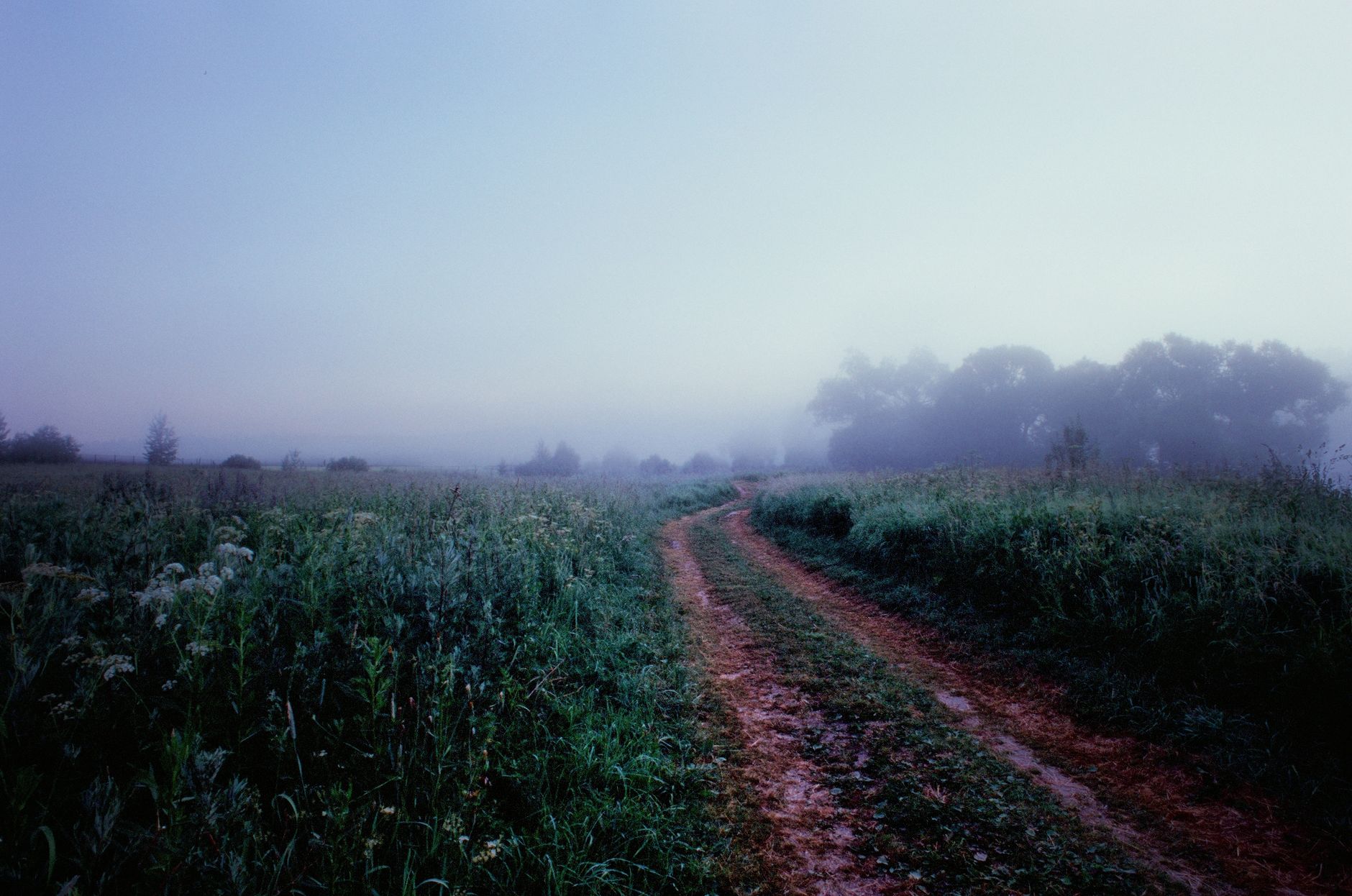
Quoting the Job
I’d been on my own books for two winters when Mr. Oakes rang about the boundary hedges at Tenantry Farm. Four lines, all of them gappy, sheep getting through into the beet. He wanted them laid proper — his word — and done before the first of March, because after that you leave a hedge alone for nesting, and what isn’t started by then waits till October. My completion payment was going straight onto the van’s MOT, so I said yes to the whole job and priced the north line heavy. Blackthorn. It bites you through leather gloves and it springs like a mattress, and anyone who has laid any knows to charge for the privilege.
The first three hedges went the way hedges go. You cut each stem most of the way through, low, at an angle, and lean it over — a pleacher — leaving just enough at the heel to keep it alive and growing sideways. Stakes in, pleachers laid between them, the top bound down with heathering, and the hedge becomes a living fence that thickens every year after. Good work, cold work, and by the fourth morning there was a blackbird singing in what I’d made of the east meadow line. The east meadow and the two lane lines took the lay like they’d been waiting for it.
Then the north line.
The North Line
Forty yards of it, clean straight stock, better than anything in the lane hedges. I laid it across a Tuesday in the last week of February, frost coming out of the ground under my boots, and the wood cut so sweet I remember thinking the job was going better than blackthorn had any right to. Stakes at eighteen inches, pleachers bedded and heathered tight. I packed up in the dark.
The next morning three pleachers stood proud. Upright again, sprung back out of the lay with the binding slack around their middles.
Blackthorn does spring, and frost heave will walk a stake half out of the ground overnight, so I put it down to binding generous because I wanted the MOT money more than the mean twist, and I relayed those three mean.
By Friday, half the line was standing. Not snapped, not dragged — stakes still in the ground, still upright, and the pleachers lifted back to their own verticals like men getting out of bed, heathering coiled on the floor beneath them undamaged. I stood there a long while with my hands hurting the way they do in February. Then I got the tools back out of the van.
The second time I did it properly hard. Deeper cuts at the heel so the pleachers would lie flatter, dog-legged stakes, and wire — two strands, plain wire, twisted drum-tight. Ugly, wire. Nothing was getting up out of that.
Ten days.
Then not half but all of it, the whole forty yards back at its own height, and the wire hadn’t snapped and hadn’t stretched. The stakes were leaning. Every stake along the line, tipped the same few degrees away from the hedge, even, as if they’d been sighted with a string line to lean off it together. I walked the line with my hands in my pockets because I no longer trusted them not to start cutting.
That was when I ran my thumb along one of the heels — the cut I’d made not a fortnight past. Healed. Not scabbed, not weeping: healed over, callus rolled smooth and hard along the cut line, reading under my thumb like the old graft unions on apple stock, wood that has been closed twenty years. You spend your winters cutting living wood, you come to know every age of wound it can carry. There is no cut on this earth a blackthorn closes in a fortnight, and none it closes without a scar ridge.
I opened one stem to check the grain beneath. It ran clean through where the wound had been. No seam, no darkening. If I hadn’t made that cut myself, I’d have sworn nobody ever had.
The Day-Books
Mr. Oakes listened at the gate with his arms folded and didn’t call me careless. Then he walked me up to the barn.
The billhook hung over the door on two nails. Brass worn bright, handle fitted to somebody’s hand, edge like the day it left the grinder. His grandfather’s. Bought for the north line, kept for the north line, never once used on it — sixty years on those nails, getting older.
He let me read the farm day-books back to 1931, and every year of them said the same:
1948 — Hedge laying, Big Meadow east side, R. Callard & son, £4 10s
1948 — Hedge laying, lane lines both, R. Callard & son, £6 2s
1952 — North Meadow, trimmed only
Laid, laid, laid, all round the farm, in his grandfather’s hand and then his father’s — and the north line charged out for trimming and nothing else, decade after decade. I asked what happened if you laid it anyway. His grandfather had tried it once, before the war, two men and chains. He said it put itself back. He never wrote that in the book. There’s no entry for a fight.
“Why keep the line at all?” I said.
Because, his grandfather’s word for it, the line keeps itself. You trim it so the footpath stays open and the stock don’t shy, and otherwise you leave it be, and it carries the best nesting on the farm — thrushes in it every spring as far back as anyone can tell, thick as a rookery. Mr. Oakes looked at the hedge across the yard while he said it. Not at me.
Aye
Before we talked money I did one more thing. There was a stem I’d cut clean through and taken home, thumb-thick, and I pleached it into the hawthorn run at the end of my own garden. One stake, one bind, proper little lay. If my hands had gone wrong overnight — if I’d lost the knack and couldn’t tell — the garden stem would say so.
It’s still there. Took the lay, held it, healed the way blackthorn actually heals: a slow lip of callus crawling shut over the months. So the fault wasn’t in my hands. It was never in my hands.
We settled at the gate. Full day-rate on the three hedges done, and the north line written out of the job and into the annual trim — which I took on, because I wanted an excuse to put my hands on that line once a year. Mr. Oakes shook on it and asked me not to tell the assessor the arrangement was friendly.
The pleacher I opened at the heel rides on a shelf in my van, healed over again by now, smooth as a billiard ball along the line of a cut I can date to the minute. It looks like any stick off any hedge. There is no photograph in the world that would prove a thing.
At the Midlands match the winter after, I bought a beer for a Leicestershire man, sixty years at the trade, and told him where, and what had happened. He didn’t laugh. He turned his pint a half-turn on the bar.
“Aye,” he said. “There’s lines won’t take it.”
That was all. No name for them, no why, only the way he said won’t, like a fact of temperament. Between him and me and Mr. Oakes’s grandfather, that’s the whole literature on the subject.
I quote by feel now — palm flat on the first stem of any line for a moment before I give a number. The north line at Tenantry flowers white in April, thick with nests, and come autumn I’ll be along with my hooks to take my look at it and trim it clear for the path. It’s good work. We understand each other, that hedge and I. I don’t try to arrange it.
It keeps itself.