Ten, Twelve, Sixteen
In March 2011 I was one of nine temporaries taken on to walk the borough’s streets and reconcile them against the address register before the census delivery rounds were planned. The work paid by the street, not by the hour. A street left open on the residual sheet earned you nothing and cost you your Friday.
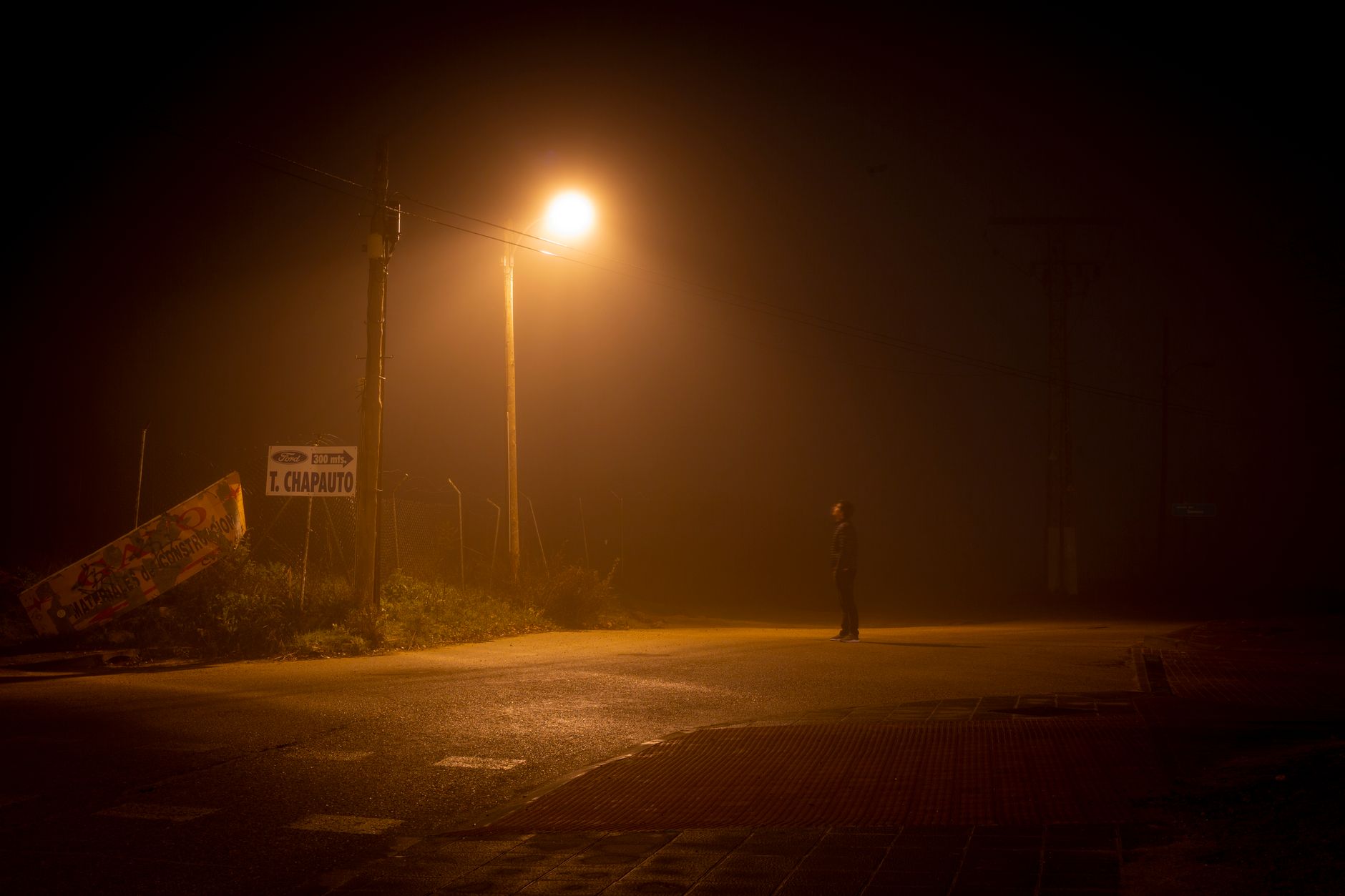
Millrace Row was thirty-one doors of two-storey brick along the old mill leat, and the register ran it clean from 2 to 32 until you stood in front of it. On the ground, between 12 and 16, stood a house.
Number 14. Slate roof, repointed lintels, a step swept that same morning. A brass 14 on the door, polished along the top edge where a thumb would catch it.
The register had no 14. The numbering jumped 12 to 16 with the small tick you put against a demolition gap. There was no demolition. There was a window box with this year’s geraniums in it.
I coded it as a sub-division of 12 — the training allowed that; odd splits happen on old rows — and moved on, because I had three streets left and the light was going. That was my reason. Everyone who comes to this story has one.
The Fold in the Folio
The code bounced. A sub-division needs a parent rating assessment, and number 12 had none to give: its banding schedule described a single dwelling, no annexe, and the parcel card drawer told me why. The cards ran 12, 16, and between them nothing — not a gap where a card had been taken, but a place where a card had never sat, because the tab guides had been printed without it.
The valuation map lived in the basement of the listed building on Wood Street, in a bound folio the size of a paving slab. The surveyor’s name inside the cover was E. Garlick, 1988, traced from the 1974 survey, and the fold came across with the tracing. The row was drawn at 1:500 across two facing pages, and the fold fell exactly where number 14 stood. Ink cannot survive the binding. The parcel boundary went in at one edge and came out at the other, and the house between belonged to neither page.
Garlick had retired that Friday. He still came in to hand his pass over, and I asked him what you do with a parcel that lives in the fold.
“You leave it in the fold.” He was not unkind about it. “That folio is the base for forty-one banding appeals in that street. Open number 14 and every one of them re-opens with it — refunds, re-hearings, the lot. It has sat in the fold since 1974 and cost nobody a penny there.” He looked at my temporary badge while he said it, and then at the queue behind me.
A Ring of Letters
I could have left the address unmatched and taken the hit to my count. I started telephoning instead, which was the point where I stopped being paid to care and simply cared.
Each office omitted the house in the idiom of its own register, and in each one somebody had a reason nothing like Garlick’s.
The delivery office had the row on a walked route, planned door to door. A point added mid-route meant re-walking and re-costing the whole round, and the officer who owned the walk was two years from a pension that her current overtime shape paid for. “That address has never been served,” she said, “so it generates no volume, so it has never been in the plan. Give me an aggrieved resident and I’ll open a case.” Nobody was aggrieved. That was the shape of it. The house asked nothing of anyone.
Water billed the row by meter. Number 14’s supply ran through the allotment standpipe account two hundred yards upstream, had done since the account was opened, and untangling it meant repricing forty years of charges against a recovery budget the billing clerk was judged on every quarter. He told me the pipe was “probably communal originally”, in the voice of a man deciding that it always had been.
Electoral services held one annotation against the row in their street index:
derelict — no electors, verified 2006
The initials were the electoral officer’s own, and her quarterly target was closing streets off the unresolved list. She had verified it from a bus.
None of this was conspiracy. I sat in four waiting rooms that week and conspiracy would have been easier to report. Nobody had agreed anything with anybody. Each office held the cheapest true statement available to it — not ours; another office’s — and the statements pointed at each other in a closed ring that touched every counter in the borough and was anchored to nothing.
The ring had a paper trail, and it is the part I still have. Local taxation keeps a determinations file: disclaimers, in effect — letters in which one office records, for the file, that a property is another office’s to assess. Number 14’s section held five letters. The council disclaimed to the water board in 1994, the water board to the valuation office in 1997, valuation to the delivery office in 2001, the delivery office to electoral services in 2003, and electoral services back to the council in 2006.
The property described above is not rateable in this authority’s area, its assessment having been previously determined elsewhere.
Every letter cited a predecessor. Not one of the cited letters existed. I checked — I had become the kind of person who checks. The oldest document in the section was the 1994 disclaimer, whose operative words were “as previously determined”, and the determination it named was held by no file in the borough. The first letter’s signature line had been ruled through, with the note copy to originator. No originator was named. No office held an original.
I photocopied the run of them on the public machine, twenty pence. The counter clerk logged my twenty pence and asked nothing. She had her reasons too. Her queue was out the door.
No Household
On the Thursday they held the residuals meeting. Sixteen unmatched addresses in the borough, and mine was the only one with a building standing on it that no register anywhere would hold.
The team leader had a residuals target of her own, and the coding manual offered a class that would close my street clean: non-residential structure — no household. A shed could wear it. A substation. She asked me whether the building was lived in.
There was the swept step. There was the thumb-polished brass. There were the geraniums.
“No household recorded,” I said, which was true, and which was also the whole ring of it wearing my voice.
She keyed it. My street closed. My contract was extended on the Monday, and my reference says accuracy: high, and both of those were bought with one sentence that any of four offices could have spoken at any point in thirty-seven years, and had not, because each of them had a pension, a quarter, a queue, a Friday of their own.
I walked home along the leat that evening. The step at number 14 had been swept again. The photocopies are in the pocket of a coat I no longer wear to work, and no office in this borough holds the letter those five letters all point at, and somewhere between 12 and 16 there is a house that every institution in this town can prove, on paper, to be somebody else’s.