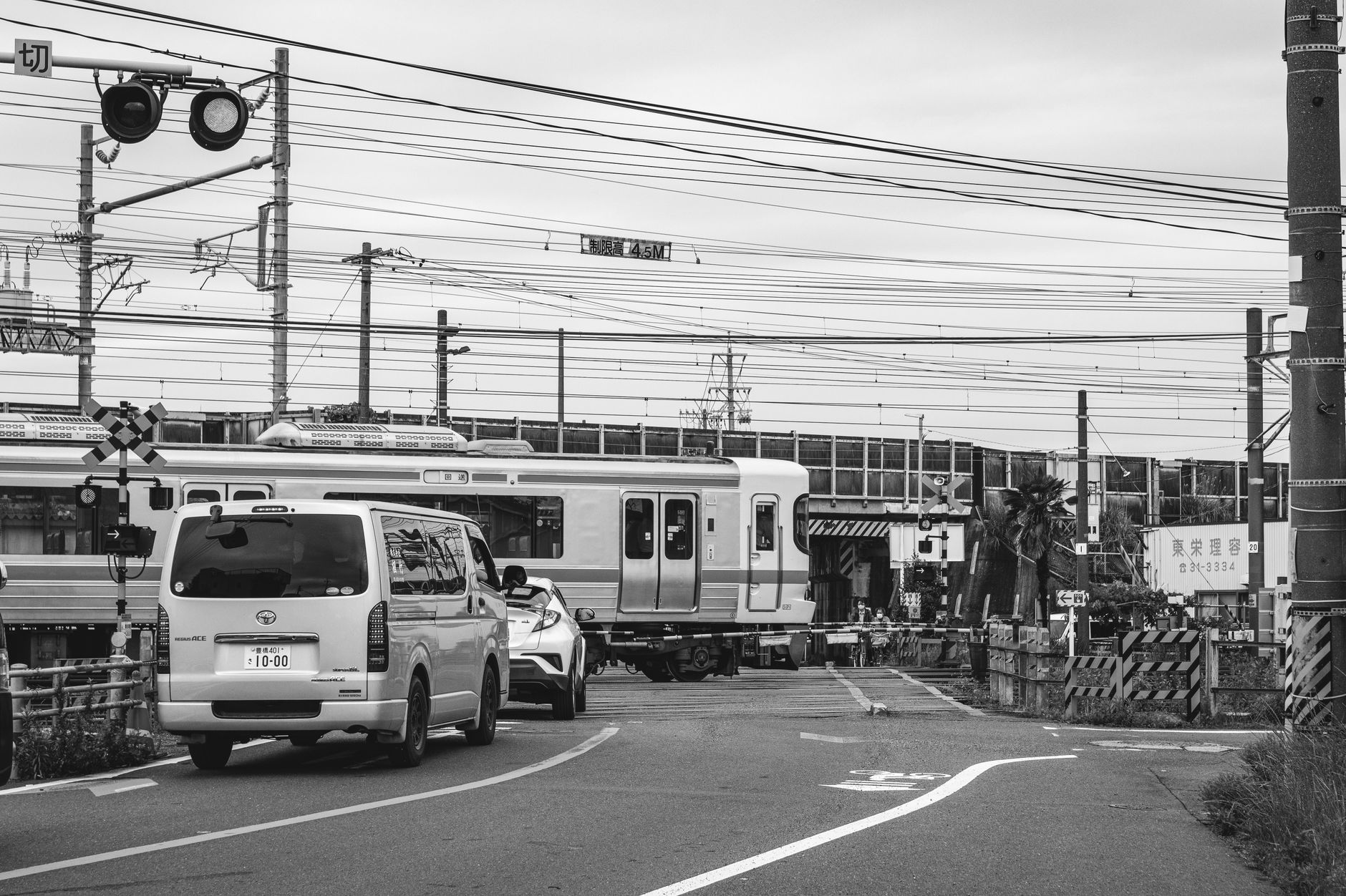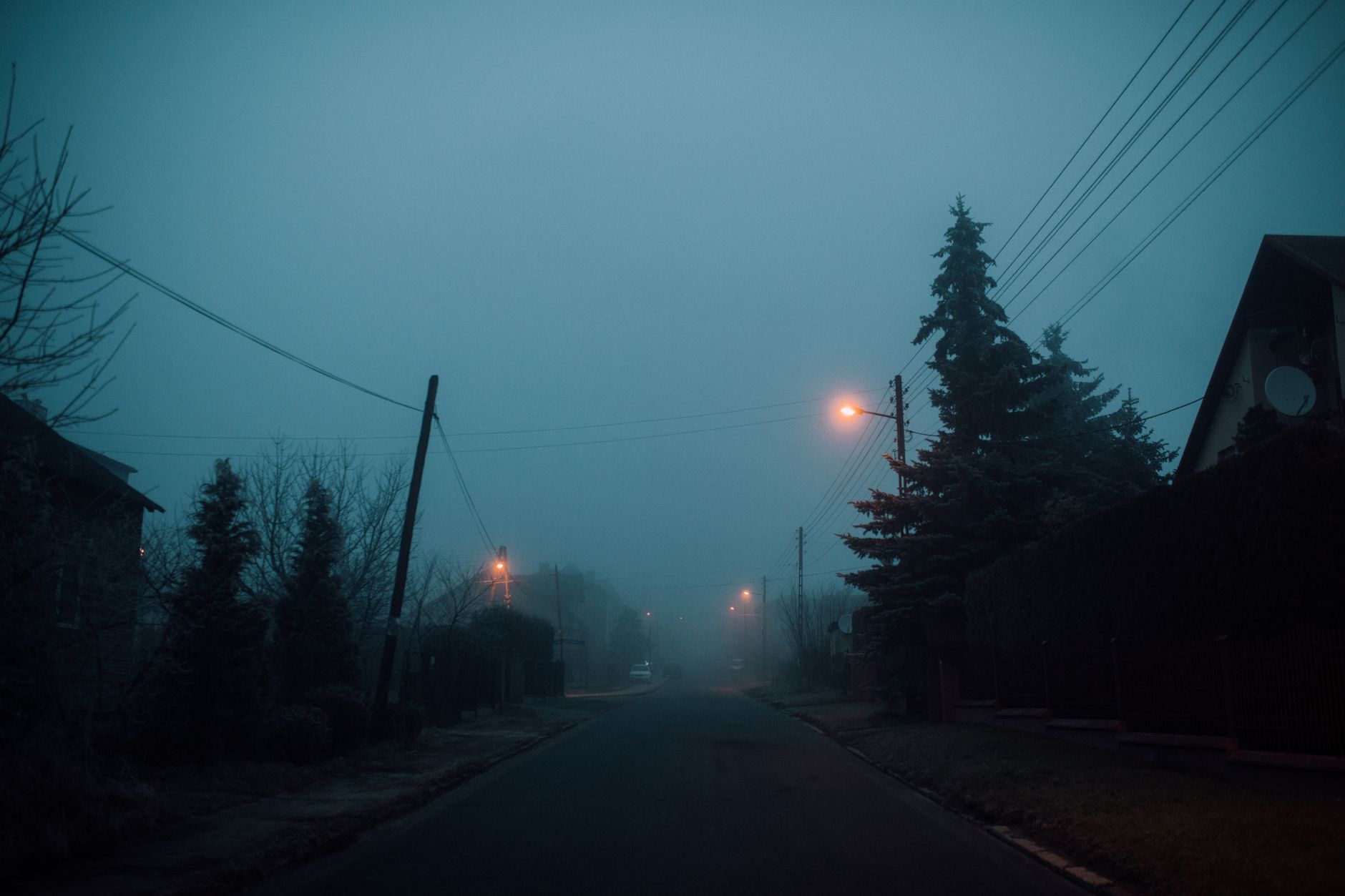
The halt at Taverner Drove has a bus shelter, a timetable that still lists a service withdrawn in 2014, and a card reader bolted to a steel pole. That is the entire station. The pole is the booking office, the ticket machine, and the member of staff. You touch the orange square, it flashes green, and somewhere in the city an account ticks over.
I took the card the week the counter in the city cut its opening hours to match my working day — which is to say, to hours I could never reach it. I do IT support at a further-education college. Ninety minutes each way, changing at Staithe Road. What I wanted was simple: to stop thinking about the journey. Auto top-up on Tuesdays, a receipt email I never opened, a smooth week with no queue, no cash, no decisions.
For nine years it worked.
Your Travel Year
The statement arrived in November, while I stood on Staithe Road waiting for a failed unit to be dragged off the line. Forty minutes, nothing to read. So I read the email.
Your travel year, the operator said. A PDF of my own life: four hundred-odd journeys, all mine, in order — until one that wasn’t.
05:52 REAPHAM JCT touch in
06:29 MEREGATE DOCK touch out
Reapham Junction is on the Meregate branch, the far side of the city, a line I have never ridden. The card was in my pocket. It is always in my pocket; that is the arrangement. I checked the wallet twice, on the platform, the way a man checks for glasses he is wearing.
The operator’s assistant — a chat window with a woman’s name and a photograph of a headset nobody owns — considered my case for eleven seconds.
Our records show your card was read at Reapham Junction. Where a card is read, a journey is made.
Is there anything else I can help you with today?
The second line did most of the work. I gave the reply four stars and put my phone away.
Till Paper
The counter in the city had survived the cuts as one window in a corridor of shuttered ones. The clerk was past sixty, with a staple gun she used like punctuation. She could print a full journey history, she said, though the printer took its time. Did I want the year, or everything?
Everything. The paper came off a roll, green and white, till paper. Four feet, then more.
The stray taps were not strays. They were a commute. Every weekday of that year: 05:52 out of Reapham Junction, 06:29 into Meregate Dock, the far end of the goods loop where the wind-farm supply boats used to berth. Back at 17:03, home at 17:44. No Saturdays. No Sundays. Nothing at all for the first three weeks of August. And once a year, one Saturday in December — the fourth, usually — out at 09:14, back at 16:52.
A working life. Somebody’s. Running inside my account like a second tenant in a flat you keep meaning to inspect.
Here is the thing about capping: once my own week reaches the cap, every journey after it is free. The stranger had never cost me a penny. There was nothing to claim. The dispute form, when I found it, wanted me to attest that the journeys had not been made with my card. They had. That was the whole trouble. I could not honestly sign a form whose only function was to make him not exist, so I stopped filling it in. That was a decision, and it was mine, and I made it the way you decide not to wake a sleeper on a bus: quietly, for your own sake more than theirs.
I showed the clerk one line and asked whether a reader could log a card that isn’t there.
“Not the readers,” she said. “The readers just count.” She tore my history off at the perforation and squared the pages on the counter. “You get about a lot.”
The Fourth Saturday
In December I went. I told myself it was for the form: see the pole, close the case. Reapham Junction at half five in the morning is sodium light, a car park with one car, and the Meregate branch squealing in on points frozen wide open. A works bus dropped five men in hi-vis, and they tapped through ahead of me. At 05:49, a woman with a folded bike. At 05:52 the reader’s ring stayed dark. Nobody touched it.
At six my phone buzzed with the weekly summary. Ten journeys this week. The history put them in order:
05:52 REAPHAM JCT touch in
05:58 REAPHAM JCT touch in
Two touches, four minutes apart, one of them mine. I was the only person to touch that pole all morning.
I have not been back. Not from fright — from the sense of having opened mail addressed to somebody else. The mornings at Reapham belong to whoever commutes in them, and my account, apparently, is big enough for the both of us. In IT we would call it an orphaned record and leave it in production, because touching it is how things break.
Eight Weeks
The counter closed in March. I had meant to ask her for one last full print — everything, floor to ceiling — and arrived at a shutter and a laminated sign that pointed me, by way of a QR code, to the app. The app keeps eight weeks of history. Older journeys scroll away a week at a time, down past the fold, into whatever the machine has instead of a bin.
No one else was keeping the record. The operator was not. The stranger could not be.
So on Sundays I copy the week into a hardback A5 book from the college shop, sixty pence, one line per journey that isn’t mine. It takes four minutes. There is nothing to learn from it and I have stopped pretending otherwise; the taps have no pattern I could act on even if I wanted one. But a record nobody keeps is not a record. It is weather.
The rhythm has aged, these last two years. One spring the weekdays stopped for six weeks, then came back without the Friday. The returns crept earlier: 17:03, then 16:40, then 16:15. Last December, for the first time, no Saturday came. I read January’s Sundays twice.
Nothing.
I still touch the orange square on the steel pole at 06:12, and the light still goes green. Somewhere an account ticks over with my mornings in it, proof for nobody that somebody was somewhere. His, I copy out by hand. Somebody ought to know he was travelling.
It might as well be me.